

Walk into any specialty coffee shop, and you’ll encounter two popular choices that look deceptively similar in the cup – black coffee vs Americano.
These two drinks appear dark and pure, yet black coffee and an Americano follow entirely different journeys from bean to beverage.
Understanding what sets them apart helps you order with confidence and appreciate each brew’s unique character. The distinction between these drinks goes far beyond semantics.
While both deliver that straightforward coffee experience without milk or sweeteners, their brewing methods create fundamentally different flavor profiles. This guide breaks down everything you need to know about the café americano vs black coffee debate.
Whether you’re refining your palate or simply curious about your morning ritual, you’ll discover which option suits your taste preferences best.
Related: Cappuccino vs Latte: Differences and Similarities
Black Coffee vs Americano: The Distinctive Difference
TL;DR
Black coffee is brewed by passing hot water through ground beans over several minutes, extracting flavors slowly through gravity or immersion, while an Americano is espresso shots diluted with hot water after high-pressure extraction in under 30 seconds. Black coffee offers cleaner, more nuanced flavors with a lighter body that showcases the bean’s natural characteristics, whereas an Americano delivers espresso’s bold intensity and syrupy texture even when diluted. Bottom line: black coffee is water brewing through grounds; an Americano is water added to already-brewed espresso.
What is Black Coffee?
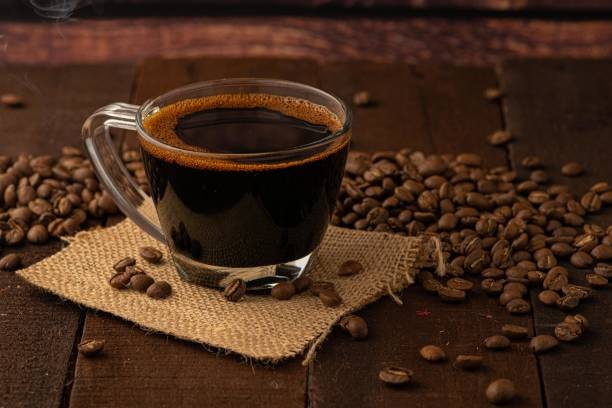
Black coffee represents the purest expression of the coffee bean. Baristas brew it using methods like drip, pour-over, French press, or cold brew, where hot or cold water extracts flavors directly from ground coffee. The result is straightforward: coffee and nothing else.
This brewing approach allows the bean’s origin characteristics to shine through completely. You’ll taste the subtle notes that make Ethiopian coffee floral, Colombian coffee balanced, or Sumatran coffee earthy. Nothing masks or dilutes these inherent qualities.
The body tends toward medium to full, depending on your chosen brewing method. Pour-over creates a cleaner, lighter body, while French press produces oils and sediment that contribute to a heavier mouthfeel.
Each method extracts different compounds, but all qualify as black coffee when served without additions.
What is an Americano?
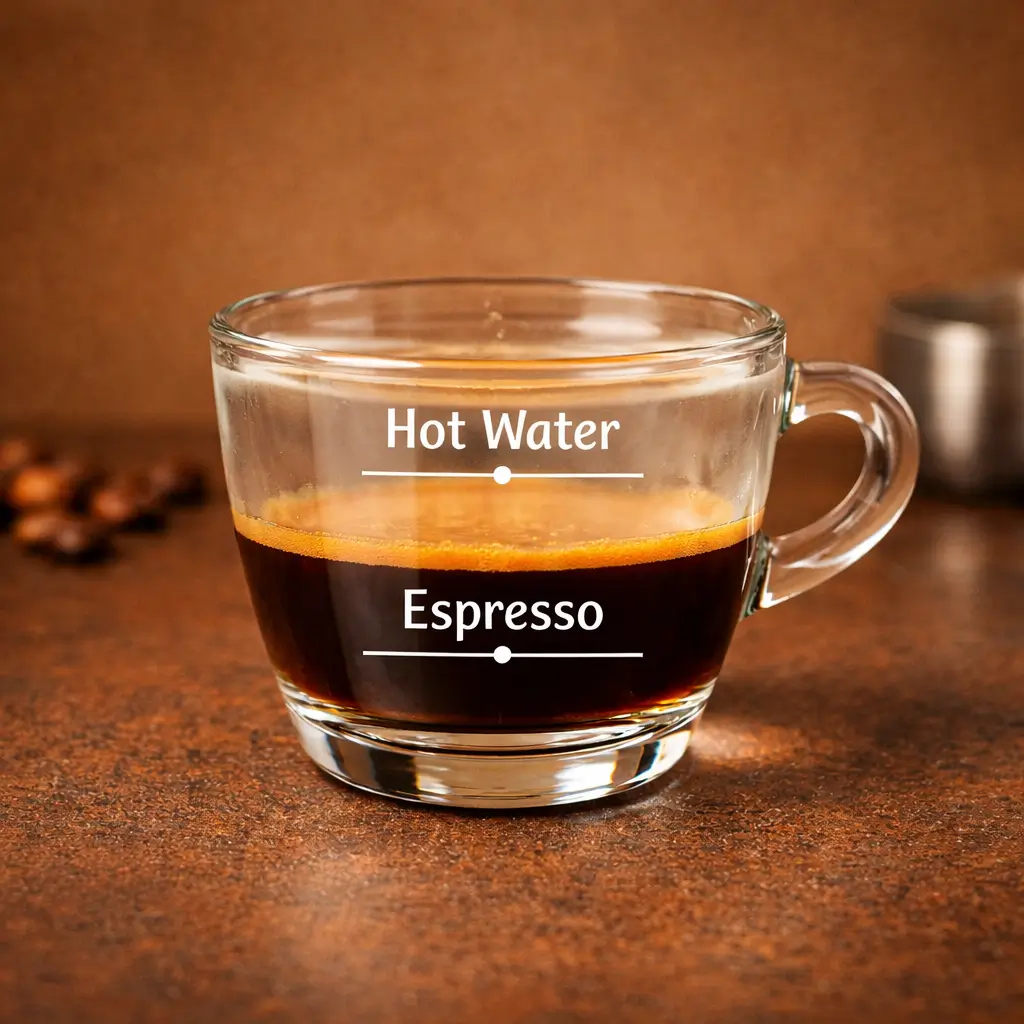
An Americano starts with espresso, that concentrated shot pulled from finely ground coffee under high pressure.
As mentioned in my last article, this ancient coffee drink traces its origins to American soldiers in Italy during World War II, who diluted espresso with hot water to approximate the coffee they knew back home. The name stuck.
Making a cafe americano follows a specific formula: you start with hot water at the base, then top up with espresso, usually two shots of espresso.
Most shops use a 1:2 or 1:3 ratio of espresso to water, though ratios vary by preference. The water doesn’t brew the coffee—it simply dilutes the already-extracted espresso.
This preparation method creates a unique flavor signature. The espresso base brings intensity and concentrated sweetness, while the hot water opens up the shot’s complexity.
You’ll notice the crema—that golden foam atop espresso—partially survives dilution, adding a subtle visual and textural element rarely found in drip coffee.
Black Coffee vs Americano: The Key Differences
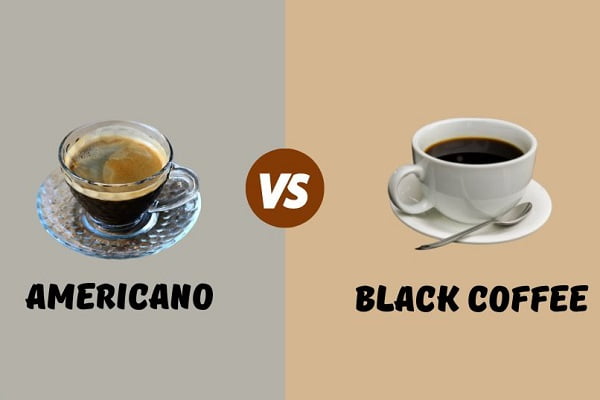
Now let’s look at the subtle differences in detail.
The brewing process fundamentally separates these drinks. Regular black coffee uses gravity or immersion to extract flavor over several minutes, allowing a gentle, full extraction.
Espresso machines force water through tightly-packed grounds in under 30 seconds, creating concentration through pressure rather than time.
Flavor-wise, black coffee typically offers more clarity and nuance. You can distinguish individual tasting notes—perhaps hints of chocolate, citrus, or nuts, depending on the roast.
An Americano presents bolder, more unified flavors with that characteristic espresso bite, though dilution softens the intensity you’d experience in a straight shot.
Caffeine content surprises many people.
A standard 8-ounce cup of black coffee contains roughly 95-165mg of caffeine, while an Americano with two espresso shots delivers about 120-150mg.
The difference isn’t dramatic, though brewing time and coffee-to-water ratio create variables. Body and mouthfeel diverge notably: black coffee feels lighter and cleaner, whereas an Americano maintains some of espresso’s syrupy texture even after dilution.
Related blogs:
- Ristretto vs Espresso vs Lungo
- Flat White vs Cortado: What’s the Real Difference?
- What is the Difference Between Americano and Long Black?
- What is the Difference Between Decaf and Regular Coffee?
Black Coffee vs Americano: Which One Should You Choose?
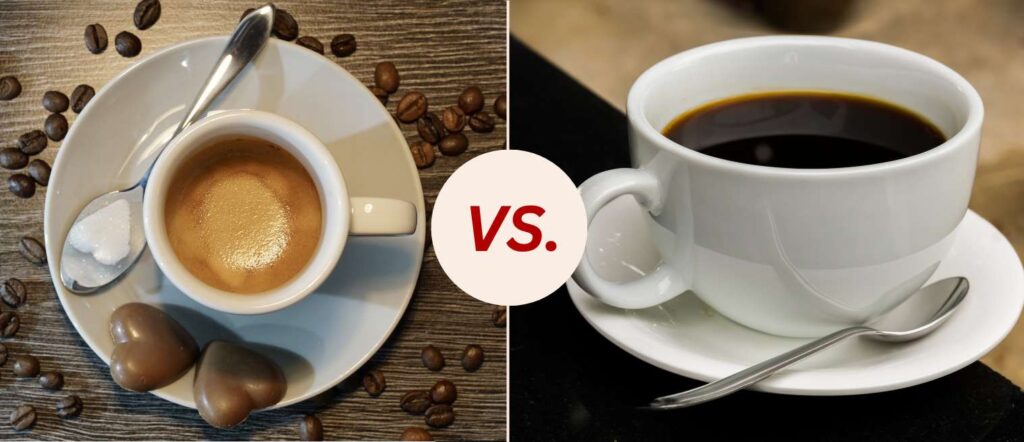
Your ideal choice depends on what you value in a cup. If you appreciate coffee’s subtle complexities and enjoy exploring different single-origin beans, black coffee showcases these qualities beautifully. The slower extraction highlights delicate notes that might get lost in espresso’s intensity.
Go for an Americano when you want espresso’s richness without its concentration. This drink suits those who find straight espresso too intense but desire more boldness than what drip coffee provides. It’s also perfect for espresso lovers who want to sip slowly rather than shoot quickly.
Morning routines often favor black coffee for its familiar comfort and easy preparation at home. Afternoon pick-me-ups might call for an Americano’s espresso foundation, which delivers that robust kick with satisfying smoothness.
Neither choice is superior—they simply serve different moments and moods in your coffee journey.
Final Thoughts
The black coffee vs Americano distinction ultimately comes down to brewing technique and the resulting flavor experience.
One isn’t better than the other—they’re simply different expressions of coffee’s versatility. Understanding what makes each unique empowers you to choose deliberately rather than randomly.
Both drinks deserve a place in any coffee enthusiast’s repertoire. Experiment with both to discover which aligns with your palate and daily rhythms. The beauty of coffee culture lies in these choices and the personal preferences they reflect.
Next time, when someone brings up the Americano vs black coffee debate, or you approach the counter, you’ll know exactly what you’re ordering and why.
That confidence transforms a simple transaction into an intentional moment of enjoyment—precisely what great coffee should deliver.
Related posts:
20 Coffee Brewing Methods Compared: Find Your Perfect Cup
Tuesday January 6, 2026Ristretto vs Espresso vs Lungo: A Senior Barista's Guide to the Holy Trinity of Coffee
Monday January 12, 2026What is a Colada Coffee? Your Guide to This Cuban Espresso Tradition
Saturday February 14, 2026How to Make an Iced Caramel Macchiato Like a Pro
Wednesday January 14, 2026Coffee as Identity: The Third Place War
Monday April 20, 2026Macchiato vs Cortado: Which Bold Little Espresso Drink Actually Wins?
Tuesday March 17, 2026Cortado vs Cappuccino vs Latte: Which Espresso Drink is Right for You?
Sunday March 22, 2026The Best Pour Over Coffee Maker with Genuine Customer Reviews
Monday February 9, 2026Types of Coffee Drinks Explained: A Complete Guide for Beginners
Wednesday January 7, 2026
Hi,
I’m Wycléf NY, a certified barista with 6 years of experience (as of December 2025).
I started this website to share my coffee preparation insights with aspiring coffee enthusiasts and interact with fellow baristas.
Let’s catch up over a cup of iced Coffénzo coffee or shoot me a quick short message text (sms) at ny@coffenzo.com