

Order a French vanilla coffee from three different cafes, and you may receive three entirely different drinks — each with a unique color, aroma, and flavor profile. This inconsistency is not a mistake. It reflects the nature of French vanilla coffee itself: a broadly interpreted style of flavored coffee with deep historical roots and no single standardized recipe.
So, what is French Vanilla coffee? This guide explains exactly what French vanilla coffee is, where it came from, how it compares to other coffee drinks, and what you should know before you brew or buy your next cup.
What is French Vanilla Coffee?
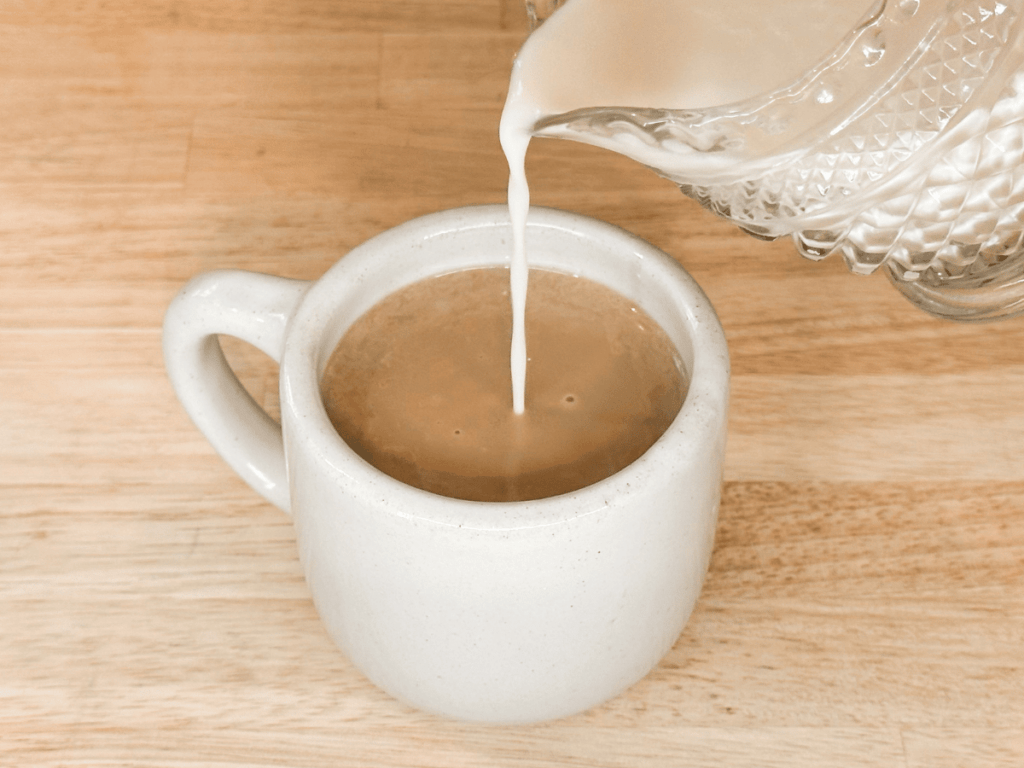
French vanilla coffee is brewed coffee that has been flavored with French vanilla syrup. The syrup sweetens and perfumes the coffee, lending it a creamy, custard-like richness that goes well beyond the sharpness of a plain vanilla extract. The result is a smooth, aromatic beverage with a noticeably lighter roast profile compared to a standard black coffee.
Unlike a single-origin black coffee or a straight espresso, French vanilla coffee is defined primarily by the flavoring added to it.
The base coffee itself can vary — some baristas use a light roast drip brew, others use espresso — but the French vanilla syrup is what gives the drink its signature character.
Some coffee shops also blend the vanilla syrup with hazelnut to create a more complex flavor, while others use ready-made French vanilla creamers.
Suggested for you:
The Origin of French Vanilla Flavor: It Is Not From France
Despite its name, French vanilla has nothing to do with vanilla beans grown in France. No significant vanilla cultivation exists in France, and the term does not refer to a French geographic variety of the spice.
Instead, the name refers to a French culinary technique: the classic French method of making custard and ice cream by combining egg yolks, cream, and vanilla bean. This preparation produces a rich, pale-yellow, deeply aromatic product quite different from a plain vanilla extract or a standard vanilla-flavored syrup.
Over time, this custard-style flavor profile was adapted into a syrup format. Middle Eastern coffee culture was among the first to incorporate vanilla into brewed coffee, initially by adding the syrup to a finished cup and later by brewing ground coffee alongside vanilla flavoring.
As international coffee culture evolved through the 20th century, French vanilla coffee spread globally, embraced for its ability to soften coffee’s natural bitterness with a warm, creamy sweetness.
Why French Vanilla Coffee Tastes Different Everywhere You Order It
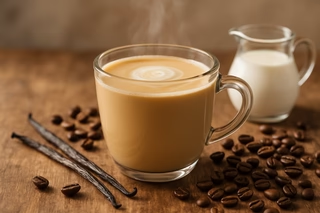
One of the most commonly noted characteristics of French vanilla coffee is its inconsistency across coffee shops. This is because there is no universal standard for the drink.
Each establishment formulates its own version based on available ingredients, house preferences, and customer feedback.
Some coffee shops use a pure French vanilla syrup — a store-bought or house-made blend of water, sugar, vanilla flavor, and egg yolk flavoring compounds. Others combine vanilla syrup with hazelnut syrup in varying ratios.
Some rely on French vanilla-flavored creamers, which introduce dairy fat, emulsifiers, and artificial flavoring into the equation. These differences in base ingredients significantly alter the final taste, mouthfeel, color, and aroma of the drink.
This variability is part of what makes French vanilla coffee so interesting as a category. Rather than a fixed recipe, it is a flavor concept that each coffee maker interprets in their own way.
French Vanilla Coffee vs Regular Black Coffee: Key Differences
Now let’s look at the subtle differences between the French vanilla and regular black coffee.
Taste and Aroma
Regular black coffee delivers a bold, roasted, and often bitter flavor that varies by bean origin, roast level, and brewing method.
French vanilla coffee, by contrast, is noticeably sweeter, creamier, and more aromatic. Its flavor profile leans toward vanilla custard and caramel rather than roasted grain or dark chocolate.
The roast used for French vanilla coffee is typically lighter, which preserves brighter, fruitier notes that complement rather than compete with the vanilla flavoring.
Appearance
When served black without any creamers, French vanilla coffee and regular coffee share a similar deep brown or amber appearance.
However, French vanilla coffee is more frequently served with cream or milk, giving it a lighter, sometimes pale-caramel color.
The French vanilla syrup itself has a distinctive pale-yellow hue due to its egg yolk flavoring compounds, which can subtly affect the final color of the drink.
Caffeine Content
A standard cup of regular black coffee contains approximately 95 to 200 mg of caffeine per 8-ounce serving, depending on the bean variety, roast, and brewing method.
When prepared with a similar coffee base, French vanilla coffee generally contains around 150 mg of caffeine per serving. The flavoring syrups themselves contain no caffeine, so the caffeine content is determined entirely by the coffee base used.
Suggested for you:
French Vanilla Coffee vs French Vanilla Cappuccino
These two drinks are frequently confused but are structurally quite different. French vanilla coffee, as sold in most American cafes and grocery stores, typically uses a medium-roasted coffee base infused with vanilla flavoring. Sugar, cream, and additional sweeteners are optional additions that the drinker controls.
The French vanilla cappuccino, most famously popularized by Tim Hortons in Canada, takes a different approach entirely. It is a pre-sweetened, powdered instant beverage that combines French vanilla flavoring, milk powder, and coffee.
Unlike a traditional cappuccino — which requires espresso, steamed milk, and milk foam — the Tim Hortons version is a single-serve mix requiring only hot water.
It contains no added sugar or sweeteners beyond what is already in the powder blend, and its texture is thicker and creamier than a standard French vanilla coffee.
In terms of appearance, the French vanilla cappuccino is pale and frothy, with a softer aroma than its brewed counterpart. It is designed for consistency and convenience rather than the artisanal variation found in specialty coffee settings.
French Vanilla Syrup vs Regular Vanilla Syrup: What Is the Difference?
Both French vanilla syrup and regular vanilla syrup are used to flavor coffee drinks, but they produce distinctly different taste profiles.
Regular vanilla syrup is made from water, sugar, and vanilla extract or vanilla flavoring. It produces a clean, bright, straightforward vanilla taste — familiar and consistent.
Because the base recipe is simple and standardized, a regular vanilla coffee from one shop will taste very similar to the same order at another.
French vanilla syrup, on the other hand, incorporates egg yolk flavoring compounds and often additional cream notes. This gives it a thicker consistency, a pale-yellow color, and a richer, more buttery aroma.
The flavor is more complex — less clean and more custard-like. Because many coffee shops create their own proprietary French vanilla blends (often mixing vanilla and hazelnut syrups in custom ratios), there is significantly more variation in French vanilla products than in regular vanilla products.
It is also worth noting that vanilla beans are named and categorized by their growing region — Madagascar vanilla, Tahitian vanilla, and Mexican vanilla are the most common — and each carries its own subtle flavor differences. French vanilla is not a regional designation but a preparation style.
How to Make French Vanilla Coffee at Home
Making French vanilla coffee at home is straightforward and gives you complete control over ingredients and the sweetness level.
You will need a brewed coffee or espresso base, a French vanilla syrup, and optionally some steamed milk or cream.
For the most authentic flavor, use a light to medium roast coffee brewed by drip, pour-over, or French press.
Add one to two tablespoons of French vanilla syrup per cup, adjusting to taste. If you prefer a homemade version, you can make a simple French vanilla syrup by combining equal parts water and sugar in a saucepan, heating until dissolved, then stirring in pure vanilla extract and a small amount of cream or half-and-half before cooling.
For a richer variation, incorporate a lightly beaten egg yolk into the warm mixture before cooling — this is the traditional French method and gives the syrup its characteristic pale color and custard depth.
Is French Vanilla Coffee Healthy?
The health profile of French vanilla coffee depends significantly on how it is prepared. A cup made with brewed coffee, a small amount of homemade vanilla syrup using natural ingredients, and whole milk is a relatively wholesome beverage.
Coffee itself is rich in antioxidants and has been associated with many health benefits in moderate consumption, including improved cognitive function and reduced risk of type 2 diabetes.
However, commercial French vanilla coffee products — particularly instant coffee powders, flavored creamers, and pre-bottled ready-to-drink versions — often contain partially hydrogenated oils, artificial flavors, high-fructose corn syrup, and stabilizers.
These additives are not health-promoting and can become problematic in large quantities consumed regularly. Non-dairy French vanilla creamers in particular frequently contain trans fats and chemical emulsifiers that carry documented health risks.
The key principle for health-conscious French vanilla coffee drinkers is to prioritize natural, whole ingredients. A drink made with quality coffee, pure vanilla, and real dairy is nutritionally very different from one made with a flavored powder blend or an artificially flavored liquid creamer.
Frequently Asked Questions About French Vanilla Coffee
Does French vanilla coffee contain dairy?
Not necessarily. The coffee and vanilla syrup base is dairy-free. Dairy enters the equation when cream, milk, or a dairy-based creamer is added. Many French vanilla creamers are formulated with non-dairy ingredients, though these often contain other processed additives. If you are avoiding dairy, check the label of any creamer or syrup you use.
Is French vanilla coffee stronger than regular coffee?
No. French vanilla coffee typically uses the same coffee base as regular coffee, so its caffeine content is comparable. The vanilla flavoring makes it taste milder and sweeter, which can create the impression of a weaker drink, but the actual caffeine content depends entirely on the coffee used.
What roast is best for French vanilla coffee?
A light to medium roast works best. Lighter roasts have a brighter, more nuanced flavor that complements vanilla without being overwhelmed by it. Dark roasts can compete with the vanilla flavor and produce a more bitter, less balanced result. That said, personal preference varies, and some people enjoy the contrast of a bold dark roast with French vanilla sweetness.
Can I make French vanilla coffee without a syrup?
Yes. You can add pure vanilla extract directly to your brewed coffee, though the flavor will be more subtle and less sweet than a syrup-based version. Another option is to add a vanilla pod to your coffee grounds before brewing, which infuses the coffee with a gentle, natural vanilla aroma. For a creamier result without syrup, vanilla-flavored creamers can serve as a one-step substitute.
Is French vanilla coffee the same as a vanilla latte?
No, though they share ingredients. A vanilla latte is specifically an espresso-based drink made with steamed milk and vanilla syrup. French vanilla coffee can be made with any coffee base — not just espresso — and does not require steamed milk. The flavor profiles are similar, but the structure and texture of the drinks differ meaningfully.
Why does French vanilla coffee taste different at every coffee shop?
Because there is no standardized recipe. Each coffee shop uses its own syrup blend, creamer, or flavoring ratio. Some mix vanilla and hazelnut syrups in custom proportions. Others use proprietary house-made syrups. The coffee base itself also varies. This variability is inherent to the drink’s identity and is one of the reasons coffee lovers enjoy exploring different interpretations of it.
Compare: How to Make Coffee Less Bitter
The Bottom Line
French vanilla coffee is a flavored coffee style rooted not in French geography but in the French culinary tradition of egg yolk-enriched custard preparations. It is defined by its creamy, sweet, vanilla-forward flavor profile and its notable variability from one coffee shop to the next.
Whether you encounter it as a simple syrup-laced drip coffee, a pre-sweetened cappuccino powder, or a specialty espresso drink with house-made French vanilla syrup, the drink delivers a distinctively softer, more aromatic coffee experience than plain black coffee.
For the best experience — and the healthiest version — make it at home with quality coffee, natural vanilla ingredients, and real dairy.
You will have full control over the flavor, sweetness, and nutritional content, and you may find that your homemade version surpasses anything available at a commercial coffee chain.

Hi,
I’m Wycléf NY, a certified barista with 6 years of experience (as of December 2025).
I started this website to share my coffee preparation insights with aspiring coffee enthusiasts and interact with fellow baristas.
Let’s catch up over a cup of iced Coffénzo coffee or shoot me a quick short message text (sms) at ny@coffenzo.com