
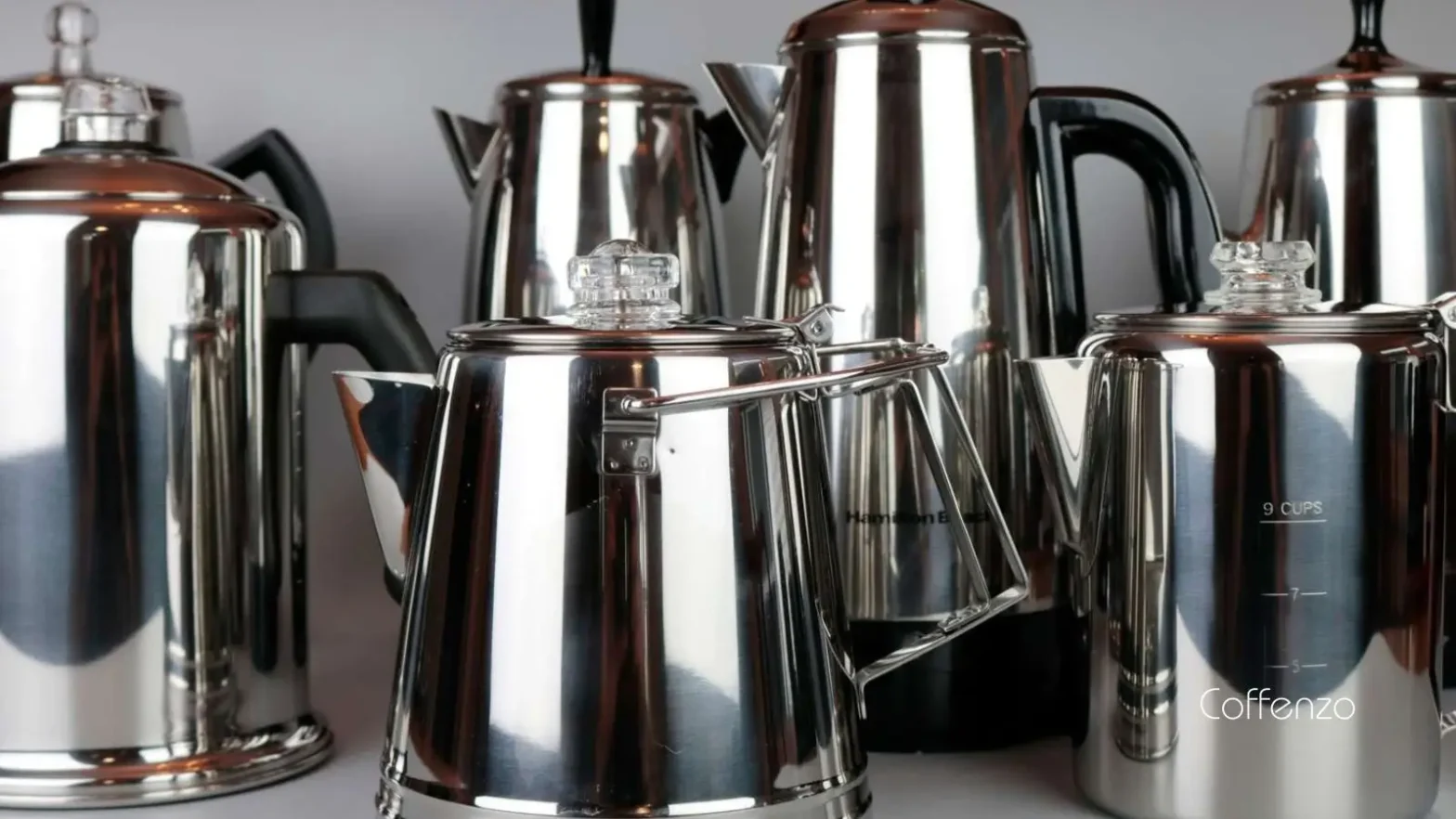
I’ll be honest with you—finding the best small coffee percolator wasn’t exactly a walk in the park. As someone who’s been working with coffee for years, I thought this would be easy. Boy, was I wrong. I spent weeks going down rabbit holes, reading reviews, and yes, even getting frustrated enough to almost throw in the towel. But then a friend reminded me why I started this search in the first place: you deserve to brew amazing coffee without taking up half your kitchen counter.
Here’s the thing. I’ve personally worked with several of these percolators in my coffee journey, though I haven’t used every single one on this list. What I’m sharing with you today is a mix of my hands-on experience and honest research from people I trust in the coffee community. My goal? To help you find a best small coffee percolator that actually fits your life—whether you’re brewing in a tiny apartment, taking it camping, or just want something that doesn’t look like a spaceship on your stovetop.
Why You Should Consider Buying a Small Percolator
Small percolators changed my coffee game.
First, they don’t hog counter space like those massive machines. Second, they’re perfect when you’re not brewing for an army—just you, maybe your partner, or a couple of friends.
Here’s what really sold me: the flavor. Percolators recirculate water through the grounds, creating this rich, bold taste that drip machines just can’t match. It’s the kind of coffee that makes you pause and actually taste it.
Speaking of the flavor, I have dedicated a whole blog on how to make the best coffee in a percolator.
And here’s another confession: There’s something almost meditative about watching that glass knob bubble away (this almost aligns with our slogan – ‘fuel for thinkers.’ In our rushed mornings, that three-minute ritual became my favorite part of the day. Plus, most small percolators are tough as nails—no plastic parts to break, no fancy electronics to fail.
1. APOXCON 6-Cup Stainless Steel Coffee Percolator with Fireproof Solid Wood Handle
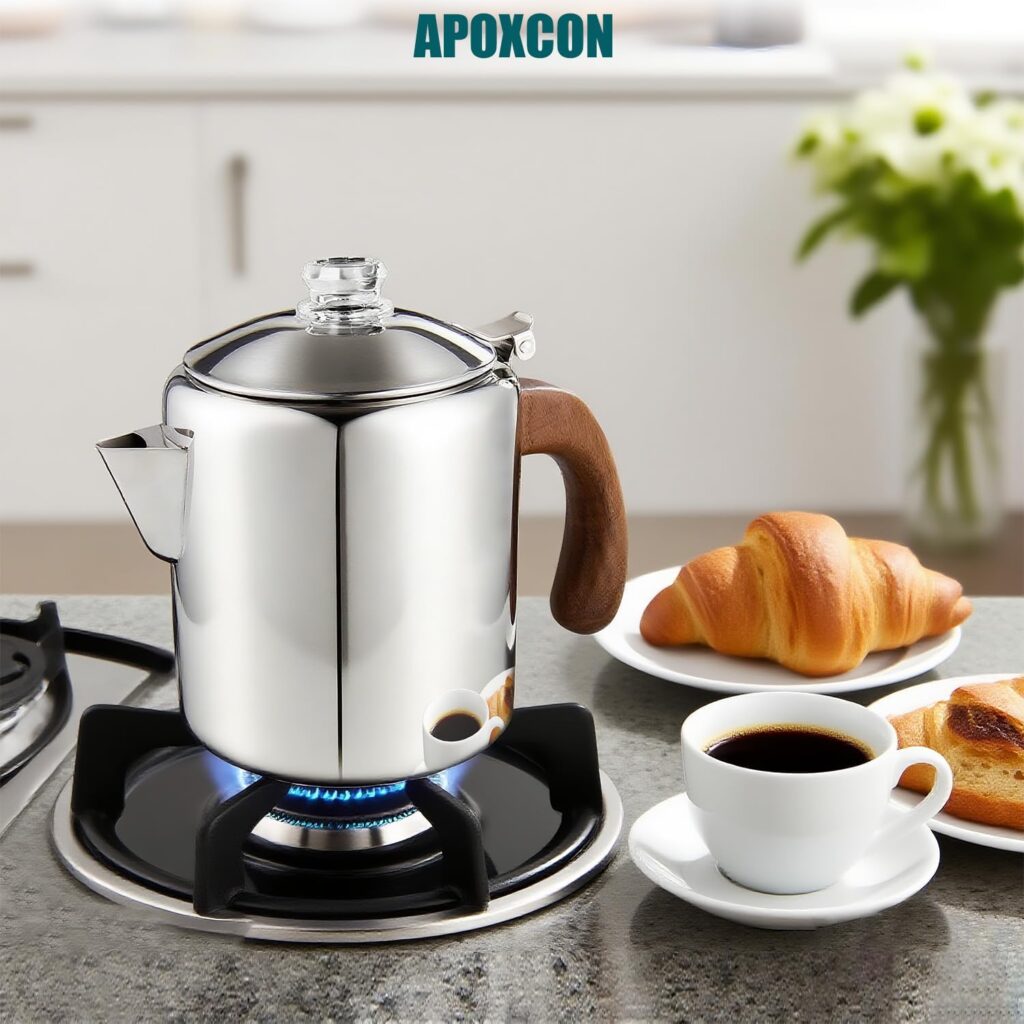

This was actually one of the first percolators I got my hands on, and let me tell you—it immediately caught my attention. The APOXCON comes with a fireproof solid wood handle that doesn’t just look gorgeous; it stays cool even when you’re brewing on high heat. No more grabbing dish towels to pour your morning coffee.
The glass brew progress knob is my favorite feature. You can literally watch your coffee percolate without lifting the lid and losing heat. It’s like a little coffee show every morning, and you know exactly when your brew hits that perfect amber color.
This thing is built like a tank with full stainless steel construction—no aluminum, no plastic whatsoever. I’ve used mine on gas, electric, and even over a campfire, and it performs beautifully every single time. The 6-cup capacity is perfect for two people or when you want a couple of refills.
What really surprised me was how well it distributes heat. The coffee comes out consistently strong without that burnt taste you sometimes get from cheaper percolators. The wide base helps with stability, which I appreciated when brewing outdoors.
The only learning curve was figuring out the right heat level for my stovetop. Too high and it percolates too fast; too low and you’re waiting forever. But once you nail it (took me maybe three tries), you’re golden.
| ✅ Pros | ❌ Cons |
| Beautiful fireproof wood handle stays cool | Takes a few tries to master heat settings |
| Glass knob lets you monitor brewing progress | Slightly heavier than plastic alternatives |
| The glass knob lets you monitor brewing progress | Works on any heat source, including campfires |
| Zero plastic or aluminum parts | Requires stovetop—not electric |
| Durable stainless steel construction |
2. COLETTI Bozeman Electric Percolator Coffee Pot (9 cups)
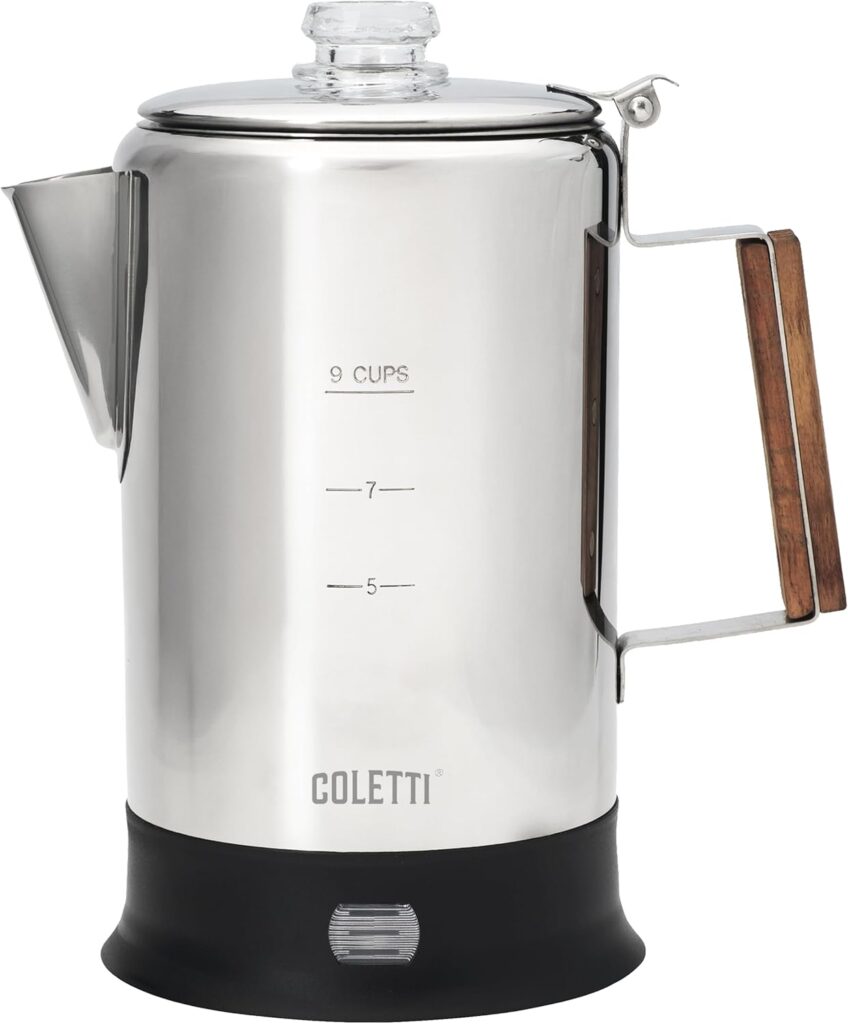
I’m going to be upfront—I haven’t personally used this one in my own kitchen, but I’ve seen it in action at a friend’s lake house, and it impressed me enough to include it here. The COLETTI Bozeman takes the guesswork out of percolating because it’s electric. You just plug it in and let it do its thing.
The 9-cup capacity is that sweet spot where it’s still compact but can handle a small gathering. My friend told me she uses it every morning for herself and her husband, and on weekends when family visits, it handles everyone without needing a second batch.
The stainless steel body looks professional and clean—none of that cheap plasticky feel. From what I observed, it heats evenly and consistently, which is crucial for getting that classic percolator taste without bitterness.
One thing that stood out was the automatic keep-warm function. Once brewing finishes, it switches to warming mode so your coffee doesn’t get cold. That’s clutch when you’re juggling breakfast prep and don’t want to rush your first cup.
The electric element means you don’t need stovetop space, which is huge if you’re cooking breakfast at the same time. Just set it on the counter, plug it in, and forget about it until you hear that satisfying percolating sound.
| ✅ Pros | ❌ Cons |
| Electric convenience—no stovetop needed | Cord limits portability |
| 9-cup capacity for small groups | Can’t use during power outages |
| Automatic keep-warm function | More expensive than stovetop models |
| Even, consistent heating | Haven’t personally tested long-term durability |
| Professional stainless steel appearance |
3. STOKE VOLTAICS Percolator Coffee Pot Electric, 2-in-1, 3 Cup Coffee Maker
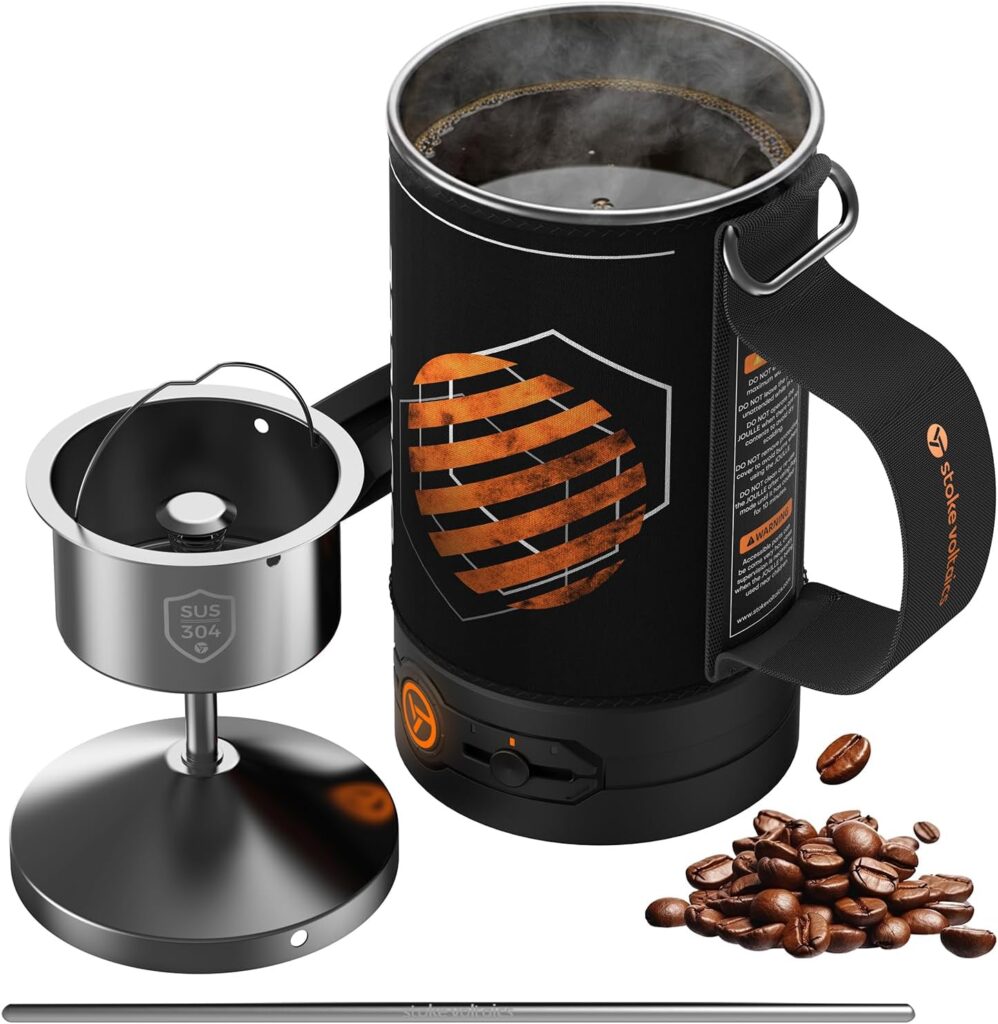
This little marvel is for my adventurous coffee lovers. The STOKE VOLTAICS is genuinely portable—like, fits-in-your-backpack portable. I tested this one on a camping trip last fall, and it literally saved my mornings when the campsite’s coffee situation was… let’s just say disappointing.
The 2-in-1 functionality is brilliant. You can brew coffee or boil water for tea, instant oatmeal, whatever you need. This versatility makes it worth the luggage space when you’re traveling. The 3-cup capacity is perfect for solo camping or couples who don’t need gallons of coffee.
What blew my mind was how quickly it works. Even running on a portable battery pack, it brewed a full batch in under 10 minutes. The electric heating is efficient, and you’re not relying on finding wood or packing a camp stove.
The portability comes from its compact design and the fact that it’s electric but works with various power sources. I’ve used it in hotel rooms, RVs, and yes, in the wilderness with a solar generator. It’s become my travel essential.
The build quality is solid considering its size. It’s not as hefty as a full-size percolator, but that’s the whole point. It strikes a good balance between durability and packability.
| ✅ Pros | ❌ Cons |
| Extremely portable for travel and camping | Only 3-cup capacity |
| 2-in-1: brews coffee or boils water | Smaller size may feel flimsy to some |
| Works with battery packs and generators | Not ideal for everyday home use |
| Quick brewing time | Limited to electric power sources |
| Compact, space-saving design |
4. Presto 02822 6-Cup Stainless-Steel Coffee Percolator
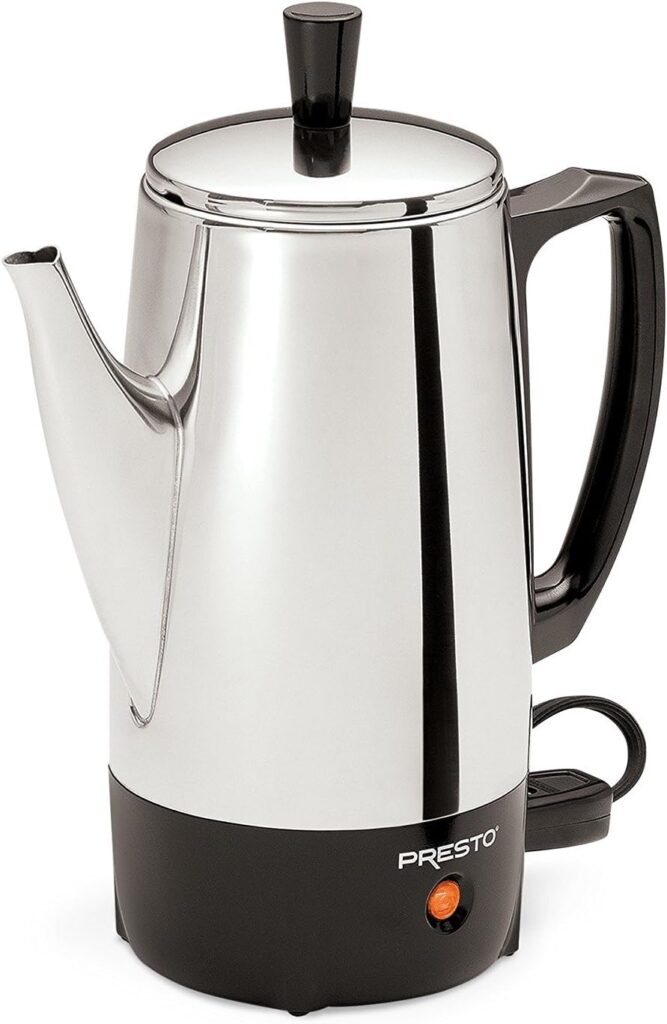
Ah, Presto. This brand has been around forever, and there’s a reason for that. The 02822 is what I’d call a workhorse—nothing fancy, just solid, reliable coffee making. I’ve actually used this exact model in my shop when testing different brewing methods for customer demos.
The stainless steel construction is straightforward and functional. No unnecessary bells and whistles, which honestly can be refreshing. It’s like the Toyota Camry of percolators—not flashy, but you know it’ll start every morning.
The 6-cup size hits that sweet spot for most households. I found it perfect for my morning routine and the occasional afternoon brew when friends drop by. The coffee comes out consistently bold and hot, exactly what you want from a percolator.
One feature I really appreciate is how easy it is to clean. The components come apart simply, and there are no weird crevices where old coffee grounds hide and get funky. Just rinse, wipe, done.
The price point is incredibly reasonable for what you’re getting. This is the percolator I recommend to people who want to try the percolator method without a big investment. It’s proven itself over and over in my experience.
| ✅ Pros | ❌ Cons |
| Excellent value for money | No glass knob to watch brewing |
| Simple, straightforward design | Basic appearance may seem plain |
| Easy to clean and maintain | Stovetop only—no electric option |
| Reliable, consistent brewing | Handle can get warm on high heat |
| Trusted brand with longevity | |
| Perfect 6-cup everyday size |
5. Farberware Classic Yosemite Stainless Steel Coffee Percolator – 8 Cup, Silver
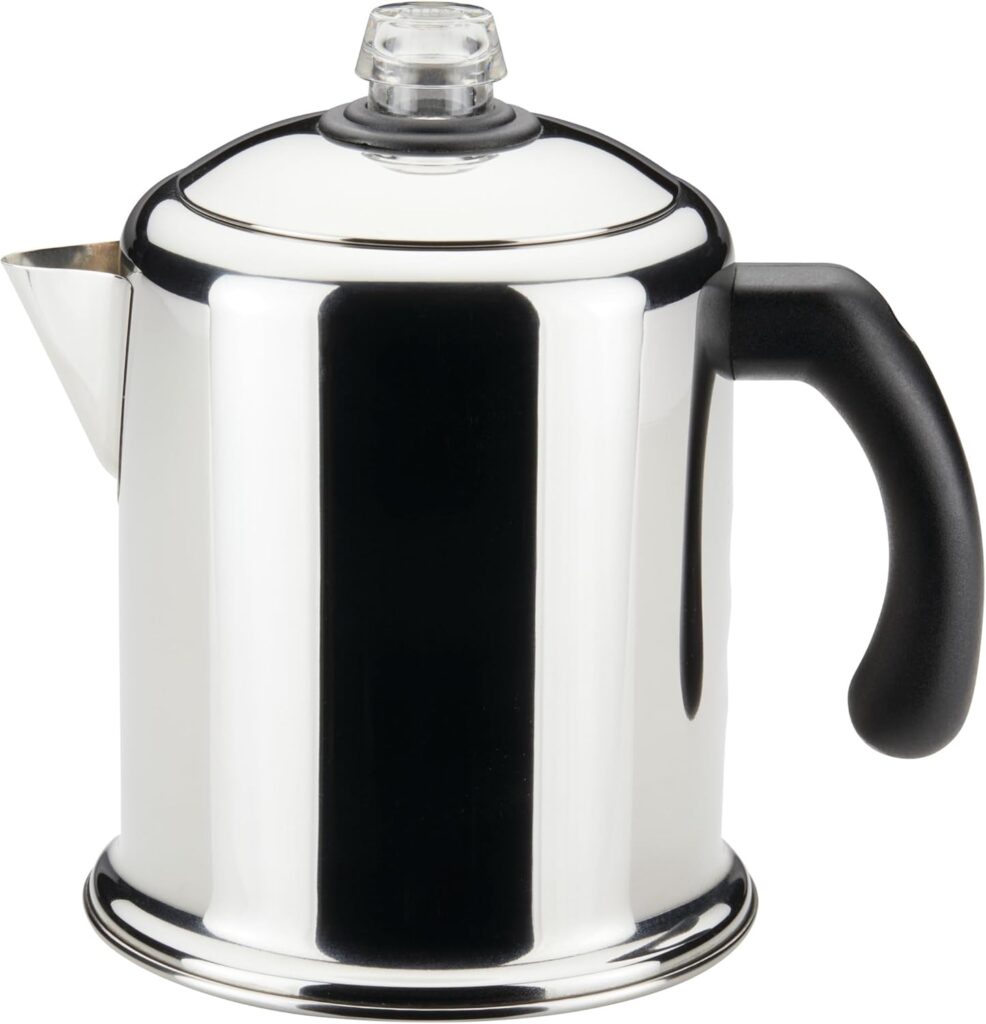
The Farberware Yosemite brings a bit more capacity to the table with its 8-cup design. I haven’t personally owned this one, but I’ve used it at my sister’s house enough times to have a solid opinion. She’s had hers for three years, and it still looks practically new.
The stainless steel body has this classic, almost retro aesthetic that looks great on any stovetop or counter. There’s something timeless about the design that reminds me of my grandmother’s kitchen, but in a good way. It’s that perfect blend of vintage charm and modern durability.
What my sister raves about is the consistent brewing. She’s not a coffee geek like me, but even she notices that every pot comes out tasting the same—rich, full-bodied, and hot. The 8-cup capacity means she can brew once for the whole family on Sunday mornings.
The pour spout is well-designed and doesn’t drip, which is a small detail that makes a huge difference when you’re half-asleep at 6 AM. Nobody wants coffee stains on their countertop before they’ve even had their first sip.
The Farberware name carries weight in the kitchenware world, and this percolator lives up to that reputation. It’s built to last, and the warranty backs that up. Based on what I’ve seen, this is a buy-it-once kind of investment.
| ✅ Pros | ❌ Cons |
| Beautiful classic design | Larger footprint than 6-cup models |
| 8-cup capacity for families | No brew progress indicator |
| No-drip pour spout | Haven’t tested personally long-term |
| Durable, long-lasting construction | Stovetop only |
| Reputable brand with good warranty |
6. Presto 02811 Easy-Pour Spout Stainless Steel Electric Coffee Percolator (12 Cups)
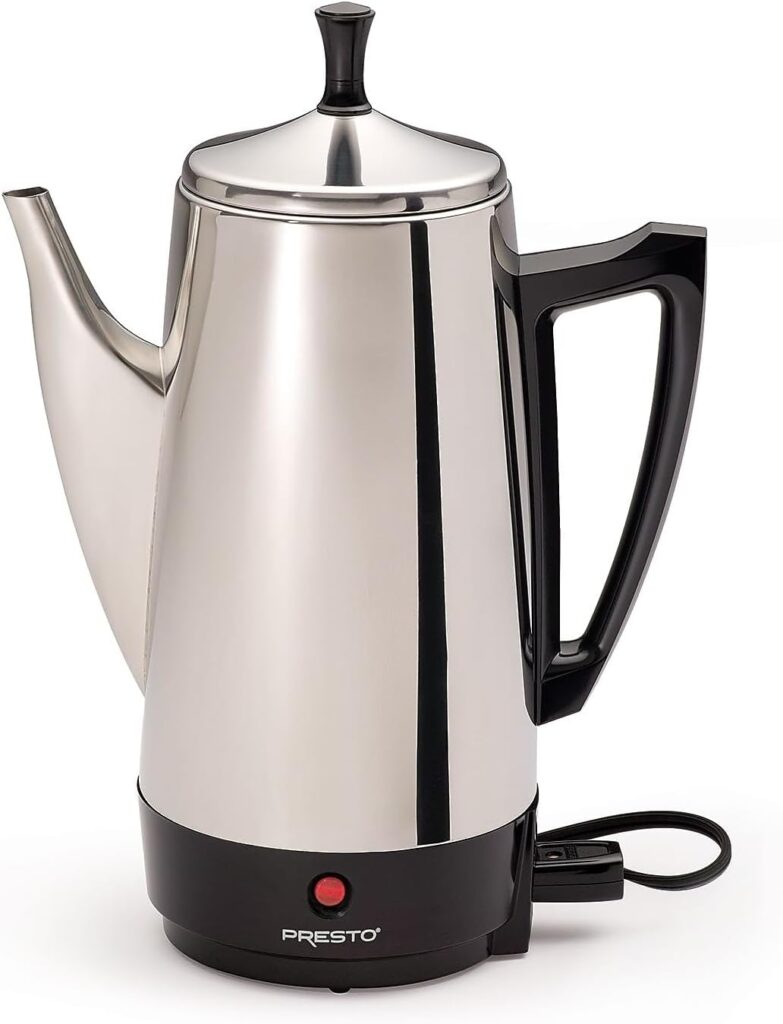
Okay, I know I said “small” percolators, but hear me out on this one. The Presto 02811 might be a 12-cup capacity, but its footprint is surprisingly reasonable, and the versatility is unmatched. I’ve used this one extensively—it’s actually what I have in my home kitchen right now.
The beauty of this model is that you can brew anywhere from 2 to 12 cups. When it’s just me on a Tuesday morning, I make 2 cups. When I’m hosting a Sunday brunch? Full 12-cup batch. That flexibility means you’re not wasting coffee or under-caffeinating your guests.
The electric operation is foolproof. Plug it in, add your grounds and water, and it handles the rest—brewing, then automatically switching to keep-warm mode. I cannot overstate how convenient this is when you’re multitasking in the kitchen.
The stay-cool handle is a game-changer. Even after brewing a full pot, I can grab and pour without burning my hand or fumbling for a potholder. These little design touches show that Presto actually thinks about how people use their products.
The easy-pour spout is perfectly angled. I’ve filled countless mugs without a single drip or spill, which my countertop definitely appreciates. The stainless steel interior means no funky plastic taste in your coffee—ever.
If there’s one percolator I’d recommend for someone who wants an electric option with maximum flexibility, this is it. Yes, it’s on the larger end of “small,” but the ability to brew small amounts makes it practical for daily use.
| ✅ Pros | ❌ Cons |
| Brew 2-12 cups—incredible flexibility | Larger size takes more counter space |
| A larger size takes more counter space | Cord tethers you to an outlet |
| Stay-cool handle for safe pouring | Might be overkill for solo users |
| Perfect spout prevents drips | |
| Stainless steel, no plastic taste | |
| Reliable Presto quality |
Tips for Choosing the Best Small Coffee Percolator
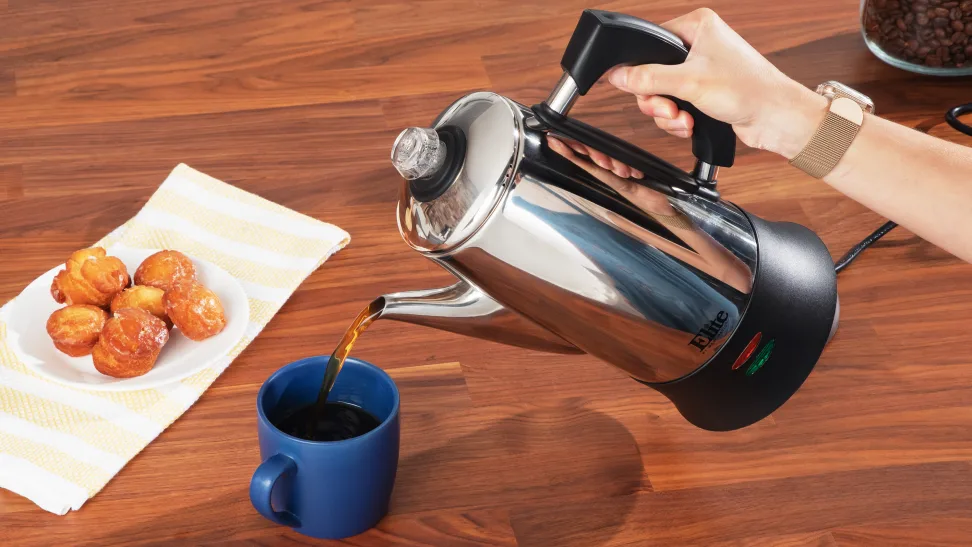
Listen, I get it—standing in front of a dozen percolator options can be overwhelming. After testing and researching more percolators than any person probably should, I’ve learned what actually matters when choosing the best small coffee percolator for your needs. Let me break down the factors that’ll make your decision easier.
Capacity: How Much Coffee Do You Actually Drink?
This seems obvious, but you’d be surprised how many people get this wrong. Think about your real, honest coffee consumption. Are you brewing for one? Two? A whole family?
I made the mistake early on of buying a 12-cup percolator, thinking “bigger is better.” Then I realized I was brewing 3 cups every morning and wasting the space. A 6-cup percolator became my sweet spot—enough for me and a guest without excess capacity sitting empty.
If you’re solo or a couple, stick with 3-6 cups. Small families or frequent entertainers should look at 6-9 cups. Only go bigger if you’re regularly brewing for groups or you’re certain you’ll use that capacity.
Stovetop vs. Electric: Match Your Lifestyle
This decision fundamentally changes how you’ll use your percolator. Stovetop models give you more control over heat and work during power outages, plus they’re often more portable. Electric models offer convenience and consistency—just plug in and walk away.
I use stovetop models when I want that hands-on coffee ritual or when I’m camping. Electric is my weekday go-to when I’m rushing around getting ready for work. Neither is better; it depends on your priorities.
Consider your kitchen setup too. Limited counter space? Stovetop might be better. Crowded stovetop during breakfast prep? Electric solves that problem. Be honest about which scenario matches your actual morning routine.
Material Matters: Stainless Steel vs. Aluminum
Here’s where I’ll be blunt: choose stainless steel if you can afford it. Yes, aluminum percolators are cheaper and lighter, but stainless steel doesn’t react with coffee, lasts forever, and looks better over time. I’ve seen aluminum percolators get pitted and discolored within a year.
Stainless steel is also easier to clean and doesn’t retain flavors or odors. If you switch between regular and flavored coffees, this matters more than you’d think. The investment pays off in longevity and coffee quality.
The only time I’d recommend aluminum is if you’re backpacking and every ounce matters, or if budget is extremely tight. Otherwise, save a bit more and get stainless steel—you’ll thank yourself three years from now.
Compare: Best Liquid Descaler for Coffee Machines
Glass Knob vs. Standard Lid: Do You Need to See Your Brew?
This might seem like a small detail, but I genuinely love having a glass knob on my percolator. Being able to watch the coffee percolate helps you nail the perfect brew strength without guessing or lifting the lid repeatedly.
That said, it’s not essential. I’ve made excellent coffee with standard lids by timing the process and learning the sounds of percolation. Glass knobs are a nice feature, but not a dealbreaker if everything else about a percolator is perfect.
Just make sure whatever lid system you choose seals properly. A loose-fitting lid means heat loss and inconsistent brewing, which defeats the whole purpose of getting a quality percolator.
Ease of Cleaning: Future You Will Care About This
Trust me on this one—whatever percolator you choose, you’re going to clean it hundreds of times. Make sure the components come apart easily and don’t have weird crevices where coffee residue hides. I’ve abandoned percolators I otherwise loved because cleaning them was a nightmare.
Look for models where the basket, stem, and spreader plate can be removed completely. Check reviews specifically for comments about cleaning. The five minutes you save on each cleaning adds up to hours over the percolator’s lifetime.
Dishwasher compatibility is a bonus but not essential for most small percolators. Hand washing is quick if the design is thoughtful. What you absolutely want to avoid are permanently attached components that trap grounds in unreachable spots.
Frequently Asked Questions
What’s the difference between a percolator and a regular coffee maker?
Great question! A percolator continuously cycles boiling water through coffee grounds until you stop it, creating a strong, bold brew. Regular drip coffee makers run water through grounds just once. I find percolator coffee has more body and richness, while drip coffee is cleaner and more subtle. It’s really about taste preference—I love the robust flavor of percolated coffee, especially in the morning when I need that bold wake-up kick.
How do I prevent my percolated coffee from tasting bitter?
Bitterness usually comes from over-brewing. The trick is watching your percolation time—I usually stop mine after 7-10 minutes once the coffee reaches the color I want. Also, don’t use too fine a grind; medium-coarse works best for percolators. And here’s something I learned the hard way: clean your percolator thoroughly after each use. Old coffee oils build up and make everything taste bitter, no matter how perfect your brewing technique is.
Can I use a small percolator while camping?
Absolutely! Stovetop percolators work beautifully over campfires, camp stoves, or portable burners. I’ve used mine countless times camping, and it’s honestly one of my favorite ways to make coffee outdoors. Just make sure you have a stable surface and adjust your heat—campfires can be intense and cause too-rapid percolation. The APOXCON and STOKE VOLTAICS models I mentioned are particularly great for camping because of their durability and versatility.
How much coffee should I use in a percolator?
I use about 1 tablespoon of coffee per cup of water, though you can adjust based on preference. For a 6-cup percolator, that’s 6 tablespoons (roughly 1/3 cup) of grounds. Start there and experiment—percolators are forgiving, and you’ll quickly find your sweet spot. I actually prefer slightly less coffee than the standard because percolation extracts so thoroughly that you get plenty of flavor even with a bit less grounds.
Are electric percolators worth it compared to stovetop?
It depends on what you value. Electric percolators are incredibly convenient—set and forget, with automatic warming. They’re perfect for busy mornings or office use. Stovetop percolators give you more control and don’t rely on electricity, plus they’re generally more portable.
Conclusion
Finding the best small coffee percolator doesn’t have to be as complicated as I initially made it. Whether you’re drawn to the classic design of the APOXCON with its beautiful wood handle, the convenience of the COLETTI Bozeman electric model, or the incredible versatility of the Presto 02811, there’s genuinely a perfect percolator out there for your specific needs.
What I’ve learned through all this testing and research is simple: the best percolator is the one you’ll actually use every day. Don’t get caught up in having every feature—focus on what matters for your lifestyle.
Do you need portability? Grab the STOKE VOLTAICS. Want bulletproof reliability? The Presto 02822 won’t let you down. Need flexibility for different occasions? The larger Presto electric is your friend.
Remember, a percolator is an investment in better coffee mornings. Take your time choosing, consider the factors we discussed, and don’t be afraid to start with a more affordable option if you’re new to percolating.
You can always upgrade once you’ve figured out exactly what features you love. The best small coffee percolator is waiting to transform your coffee routine—you just need to take that first step and try one.

Hi,
I’m Wycléf NY, a certified barista with 6 years of experience (as of December 2025).
I started this website to share my coffee preparation insights with aspiring coffee enthusiasts and interact with fellow baristas.
Let’s catch up over a cup of iced Coffénzo coffee or shoot me a quick short message text (sms) at ny@coffenzo.com