
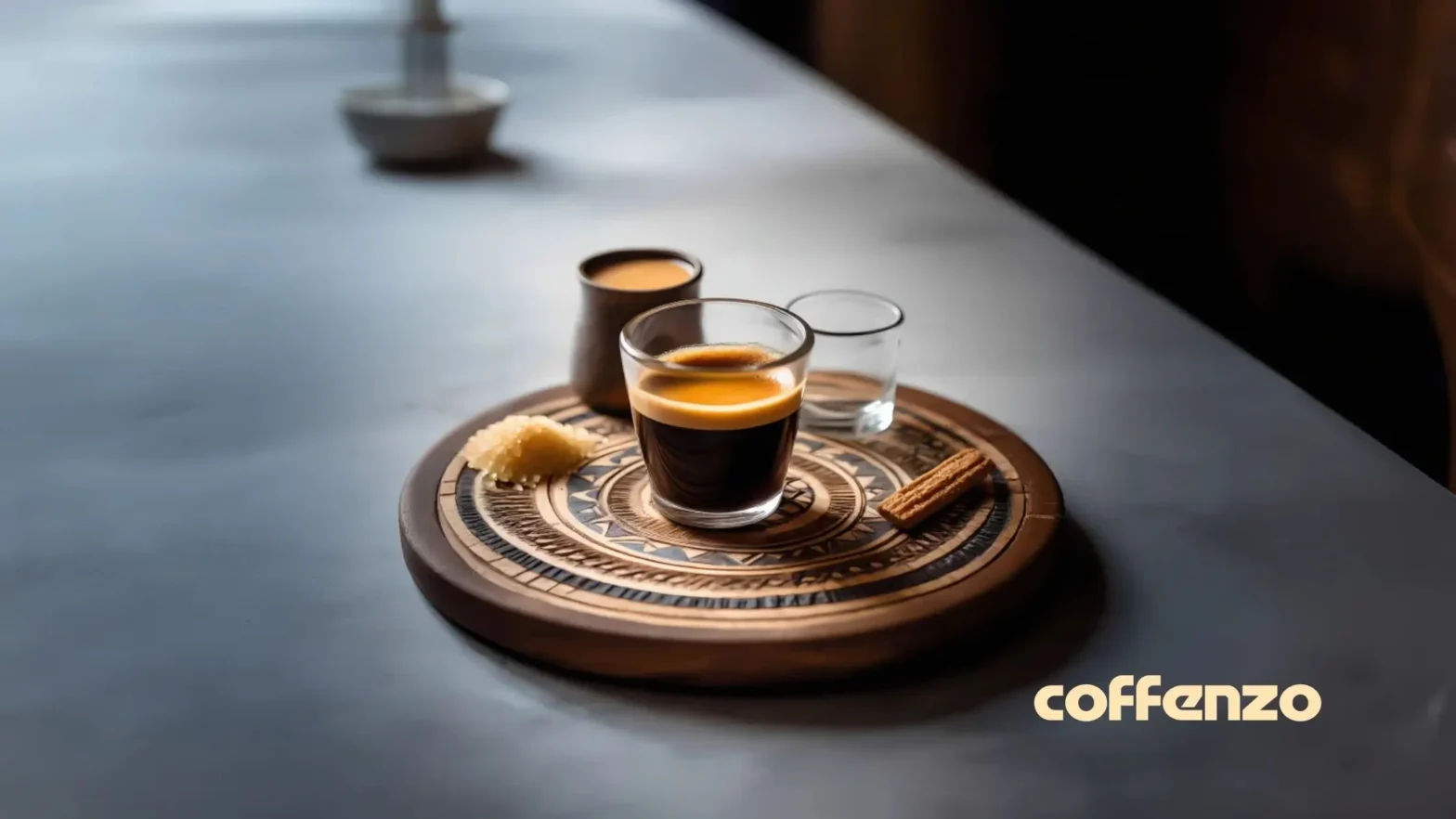
If you’ve ever walked through Miami’s Little Havana or visited a Cuban-owned coffee window, chances are someone handed you a tiny cup packed with more flavor — and more culture — than you expected. That’s a cafecito.
So, What Exactly is a Cafecito?

A cafecito (pronounced cah-feh-SEE-toh, meaning “little coffee” in Spanish) is a traditional Cuban espresso that’s sweetened in a very specific, intentional way.
It’s not just espresso with sugar stirred in at the end — the magic happens during the brewing process itself.
The result is a small, intensely rich shot of coffee topped with a thick, creamy foam called espumita — and it is absolutely unforgettable.
Quick fact: Cafecito also known as Café Cubano or Cuban Espresso is typically served in a small demitasse cup, similar in size to a traditional espresso. But don’t let the size fool you — this little drink carries serious depth and sweetness in every sip.
How is a Cafecito Made?
This is where cafecito sets itself apart from every other coffee drink you’ve tried. The process is simple, but the technique is everything:
- Add a spoonful of sugar to the espresso cup before brewing.
- Brew a shot of strong espresso — traditionally using a stovetop moka pot or an espresso machine.
- As the very first drops of espresso fall, pour just those few drops onto the sugar and whip them together vigorously until you get a thick, pale, caramel-colored foam — the espumita.
- Pour the rest of the espresso over the foam and serve immediately.
That espumita is the soul of a great cafecito. It takes practice to get right, and every barista develops their own feel for it. At CoffeNZO, we take that craft seriously.
What Does Cafecito Taste Like?

Think bold, think sweet, think smooth. A well-made cafecito is intensely flavorful without being bitter.
The sugar is fully integrated into the coffee — not floating on top, not an afterthought — which gives it a round, almost caramel-like sweetness that balances the natural bitterness of the espresso.
The espumita on top adds a silky texture that softens each sip. It’s a completely different sensory experience than drinking espresso with sugar stirred in afterward.
Where Does Cafecito Come From?
Cafecito is rooted in Cuban coffee culture, which itself was shaped by centuries of sugar cane farming and a deep love for strong, dark espresso.
When Cuban immigrants brought their coffee traditions to the United States — particularly to Miami — cafecito became a cultural cornerstone of Cuban-American communities.
Today, it’s not just a drink. It’s an act of hospitality. Sharing a cafecito means you’re welcome here. It means slow down, stay a while, let’s talk. That warmth and connection are something we carry into everything we do at CoffeNZO.
What’s the Right Mug for a Cafecito?
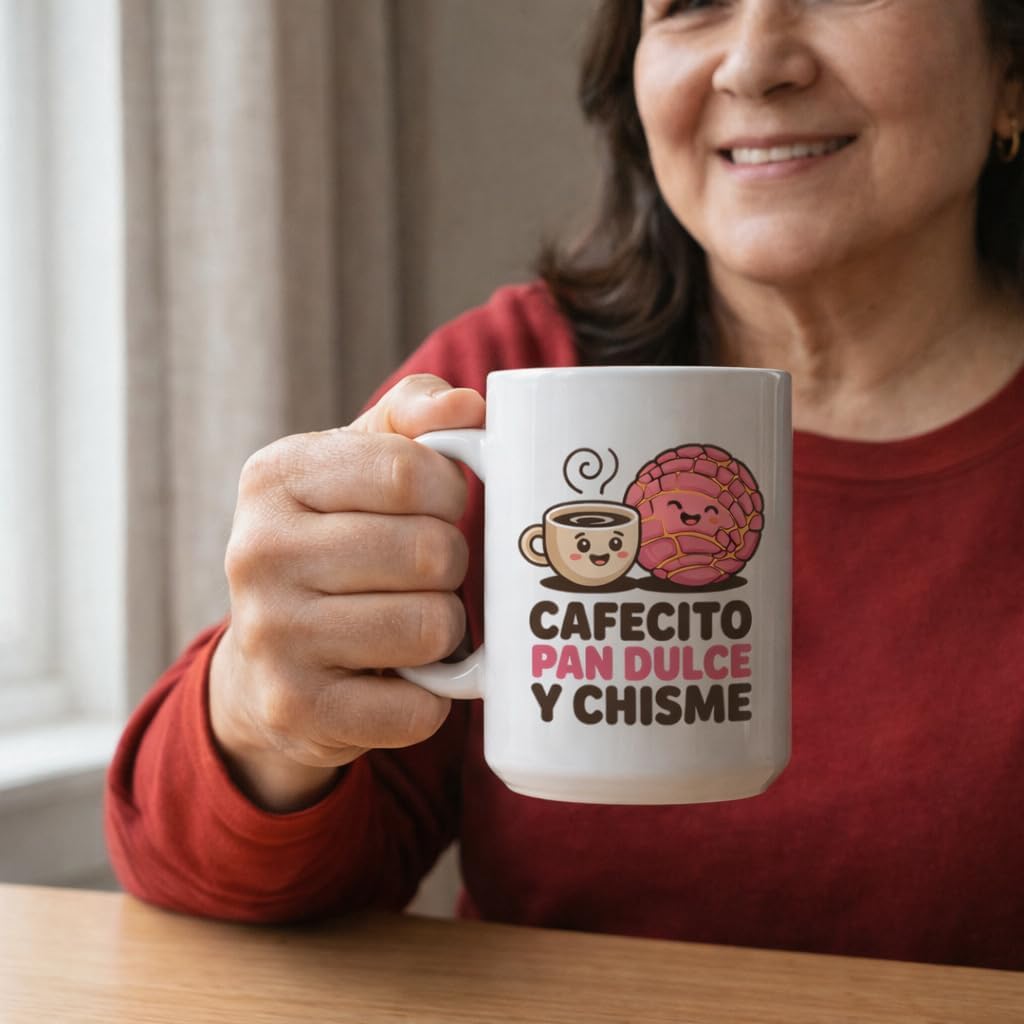

Having the right cafecito mug matters more than you’d think. A cafecito is a small, precise drink — and the right mug protects everything you worked to create.
Size: Look for a demitasse cup in the 2–4 oz range. Anything larger and the espumita spreads too thin, losing that signature creamy layer on top. The small size also keeps the drink at the right temperature from first sip to last.
Material: Thick ceramic or porcelain is ideal. These materials retain heat well, which is critical when you’re only working with a couple of ounces of liquid. Thin glass or plastic lets the heat escape too fast — and a lukewarm cafecito is a missed opportunity.
Shape: A slightly wider mouth is better than a tall, narrow cup. It gives the espumita room to sit properly and lets the aroma open up before you drink. That first smell is part of the experience.
Handle or no handle? Traditional cafecito cups often skip the handle entirely — you cradle the cup with your fingertips, which also tells you instantly if your espresso is at the right temperature. Either works, but the handleless style carries more authenticity.
At CoffeNZO, we believe the right cup turns a great cafecito into a full ritual. Because when every detail is intentional, even a two-minute coffee break feels like a moment worth savoring.
Cafecito Vs. Cortadito Vs. Colada — What’s the Difference?
If you’re diving into Cuban coffee, you’ll bump into a few related drinks worth knowing:
Cafecito — a single, sweet espresso shot with espumita. Solo drinking, full flavor.
Cortadito — a cafecito cut with a small amount of steamed milk. A little gentler, just as delicious.
Colada — a larger portion of cafecito served in a styrofoam cup with several small plastic cups alongside it. Meant for sharing. A social ritual.
Why You Should Try a Cafecito

If your daily coffee routine feels a little routine, cafecito is the reset button you didn’t know you needed. It’s quick, it’s bold, and it connects you to a rich tradition of coffee craftsmanship that spans generations.
Whether you’re a lifelong espresso drinker or someone just beginning to explore specialty coffee, a perfectly made cafecito is one of those drinks that genuinely changes your perspective.

Hi,
I’m Wycléf NY, a certified barista with 6 years of experience (as of December 2025).
I started this website to share my coffee preparation insights with aspiring coffee enthusiasts and interact with fellow baristas.
Let’s catch up over a cup of iced Coffénzo coffee or shoot me a quick short message text (sms) at ny@coffenzo.com