
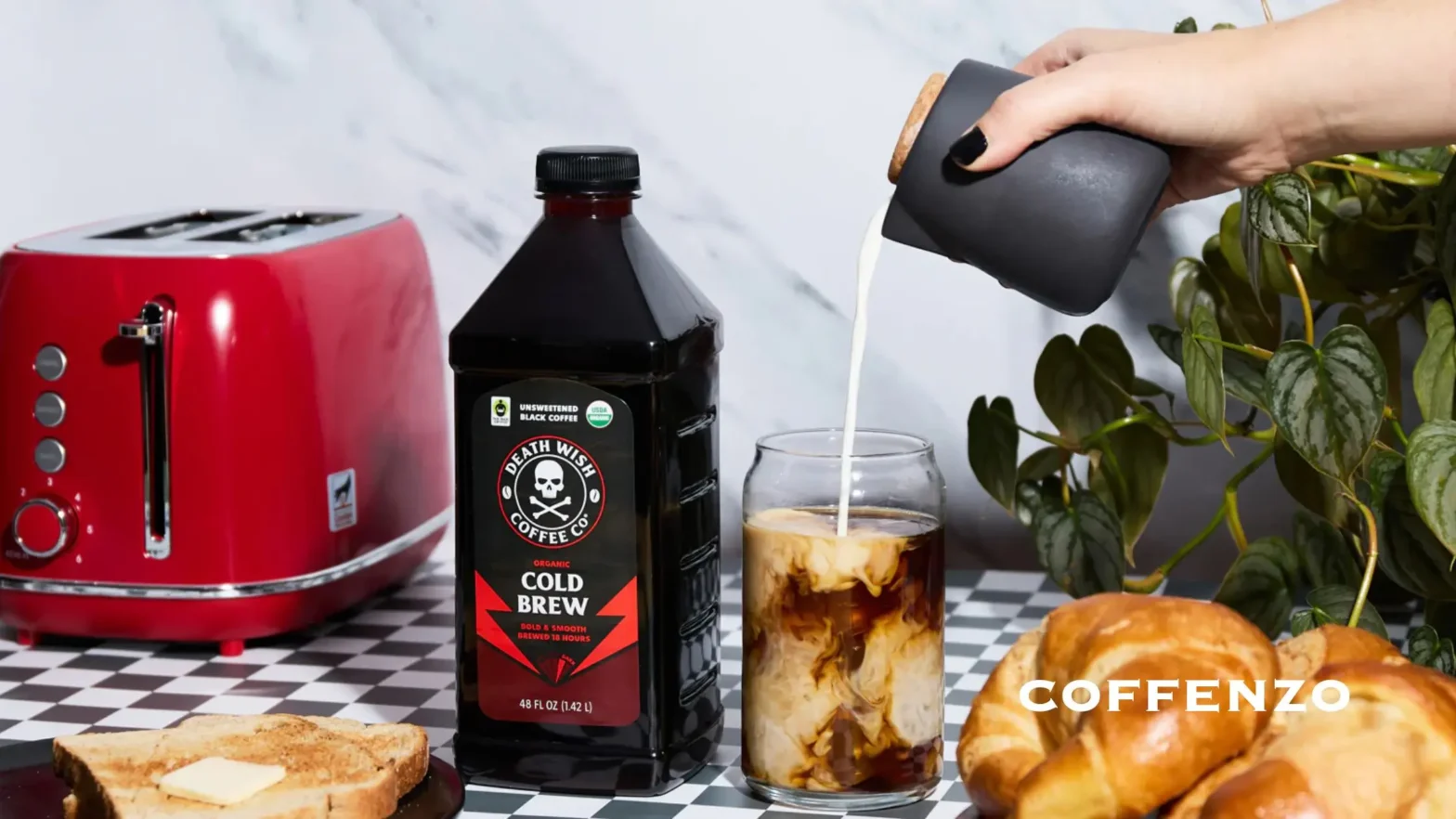
There’s something undeniably refreshing about a glass of cold brew coffee. It’s smooth, naturally sweet, and far less bitter than traditional hot coffee. But what happens when you combine this popular brewing method with organically grown coffee beans? You get organic cold brew coffee—a beverage that not only tastes exceptional but also reflects a commitment to quality and sustainable farming.
Whether you’re new to cold brew or looking to elevate your daily cup, here’s everything you need to know about organic cold brew coffee and how to make it at home.
What is Organic Cold Brew Coffee?

Organic cold brew coffee is simply cold brew made from certified organic coffee beans. Unlike regular coffee, cold brew is prepared by steeping coarse coffee grounds in cold or room-temperature water for 12 to 24 hours. The slow extraction process produces a smooth, full-bodied coffee concentrate with remarkably low acidity.
The “organic” part refers to how the coffee was grown. Organic coffee is cultivated without synthetic fertilizers, pesticides, or herbicides, allowing the beans to develop naturally while reducing environmental impact.
When these two elements come together, the result is a clean, flavorful cup that’s easy to enjoy any time of day.
Why Organic Beans Make a Difference
The quality of any cup of coffee starts long before brewing—it begins on the farm.
Organic coffee farms emphasize healthy soil, biodiversity, and environmentally responsible farming practices. Without relying on synthetic chemicals, farmers often focus on natural methods that improve soil health and preserve surrounding ecosystems.
For coffee lovers, this often translates into beans that showcase their natural flavors more clearly. Since cold brewing is known for highlighting sweetness and subtle tasting notes, using high-quality organic beans can make an already delicious drink even better.
The Benefits of Organic Cold Brew Coffee
Here are some of the benefits of drinking cold brew coffee:
1. Naturally Smooth Flavor
One of the biggest reasons people love cold brew is its mellow taste. The cold extraction process limits the compounds responsible for bitterness, resulting in a sweeter, chocolatey profile.
Organic beans often complement this by offering cleaner, more pronounced flavor characteristics.
2. Lower Acidity
Cold brew typically contains less perceived acidity than hot brewed coffee, making it gentler on the palate. Many coffee drinkers who find hot coffee too sharp appreciate the smoother drinking experience.
3. Excellent for Hot Weather
Organic cold brew coffee is incredibly refreshing. Whether served over ice, diluted with water, or mixed with milk, it’s one of the most satisfying ways to enjoy coffee during warmer months.
4. Convenient to Prepare
A single batch of cold brew concentrate can last up to a week in the refrigerator. That means less time brewing every morning and more time enjoying consistently delicious coffee.
5. Supports Sustainable Farming
Choosing organic coffee helps support farming practices designed to reduce chemical use, protect biodiversity, and encourage healthier ecosystems.
How to Make Organic Cold Brew Coffee at Home
Making cold brew is surprisingly simple.
Ingredients
- 1 cup coarsely ground organic coffee beans
- 4 cups filtered water
Equipment
- Large glass jar or pitcher
- Fine mesh strainer
- Cheesecloth or coffee filter
Instructions
Step 1: Grind the Coffee
Use a coarse grind similar to raw sugar. Fine grounds can make the final brew cloudy and difficult to filter.
Step 2: Combine Coffee and Water
Place the grounds into your jar and slowly pour in the filtered water. Stir gently until all the grounds are fully saturated.
Step 3: Steep
Cover the container and allow it to steep at room temperature or in the refrigerator for 12 to 18 hours.
For a stronger concentrate, steep for up to 24 hours.
Step 4: Filter
Strain the coffee through a fine mesh sieve lined with cheesecloth or a paper coffee filter until the liquid is clear.
Step 5: Serve
Dilute the concentrate with equal parts water or milk, depending on your taste preference. Pour over ice and enjoy.
Choosing the Best Organic Coffee Beans
Not every organic coffee tastes the same. Consider these factors when shopping:
- Look for recently roasted beans.
- Buy whole beans whenever possible and grind just before brewing.
- Choose single-origin coffees if you enjoy exploring unique flavor profiles.
- Medium and light roasts often preserve delicate fruit and floral notes, while darker roasts produce richer chocolate and caramel flavors.
Ultimately, the best bean is the one whose flavor you enjoy most.
Delicious Ways to Enjoy Organic Cold Brew Coffee
Once you’ve prepared your cold brew, there are plenty of ways to customize it.
Classic Cold Brew
Simply pour over ice and dilute with cold water.
Creamy Cold Brew
Add your favorite milk or plant-based alternative for a richer texture.
Vanilla Cold Brew
Mix in a small amount of vanilla extract and sweeten to taste.
Cold Brew Latte
Combine equal parts cold brew concentrate and chilled milk for a café-style drink.
Mocha Cold Brew
Stir in chocolate syrup or cocoa powder for a refreshing chocolate coffee treat.
Common Mistakes to Avoid
Even though cold brew is beginner-friendly, a few simple mistakes can affect the final cup.
Using finely ground coffee
Fine grounds can produce muddy flavors and make filtering frustrating.
Steeping for too little time
The coffee needs enough time to extract fully. Twelve hours is usually the minimum.
Using poor-quality water
Since coffee is mostly water, filtered water often produces noticeably better results.
Skipping dilution
Cold brew concentrate is intentionally strong. Diluting it helps balance the flavor.
Is Organic Cold Brew Coffee Worth It?
For many coffee enthusiasts, the answer is yes.
Organic cold brew coffee combines the smooth, refreshing qualities of cold brewing with beans produced through environmentally responsible farming methods. Whether your priority is flavor, sustainability, or simply enjoying a consistently delicious cup, it’s a rewarding way to experience coffee.
The best part? You don’t need expensive equipment or barista-level skills. With quality organic beans, filtered water, and a little patience, you can make café-quality organic cold brew coffee right in your own kitchen.
Frequently Asked Questions
Does organic coffee taste different?
Organic certification doesn’t guarantee a particular flavor, but high-quality organic beans often highlight the coffee’s natural characteristics more clearly because they’re carefully cultivated and processed.
How long does organic cold brew coffee last?
Cold brew concentrate generally stays fresh in the refrigerator for up to one week when stored in an airtight container.
Can I use pre-ground organic coffee?
Yes, but a coarse grind is recommended. If the coffee is ground too finely, filtration becomes more difficult and the brew may taste over-extracted.
What’s the best roast for organic cold brew coffee?
Medium roasts are a popular choice because they balance sweetness, body, and acidity. However, light roasts emphasize bright fruit notes, while dark roasts create richer chocolate and caramel flavors.
Can I heat organic cold brew coffee?
Absolutely. Although it’s brewed cold, the concentrate can be mixed with hot water or steamed milk to create a smooth, low-acidity hot coffee.
Related posts:
Cortado vs Cappuccino vs Latte: Which Espresso Drink is Right for You?
Sunday March 22, 2026Coconut Oil in Coffee: Benefits & How to Make It
Monday January 26, 20265 Best Electric Gooseneck Kettles - Brewista X Series (No. 5) is My Favorite
Sunday January 25, 2026The Best Coffee for Drip Makers: Top 5 Picks & How to Choose
Saturday May 2, 2026Cortado vs Cappuccino: What's the Real Difference?
Thursday March 19, 2026Types of Coffee Drinks Explained: A Complete Guide for Beginners
Wednesday January 7, 2026Coffee to Water Ratio: The Secret to Brewing a Perfect Cup
Sunday May 17, 2026How to Remove Old Coffee Stains from Carpet: A Step-by-Step Guide That Actually Works
Wednesday April 29, 2026How to Bloom Coffee for Pour-Over, French Press, and Drip Brewing
Thursday January 22, 2026
Hi,
I’m Wycléf NY, a certified barista with 6 years of experience (as of December 2025).
I started this website to share my coffee preparation insights with aspiring coffee enthusiasts and interact with fellow baristas.
Let’s catch up over a cup of iced Coffénzo coffee or shoot me a quick short message text (sms) at ny@coffenzo.com