

Coffee is much more than a drink enjoyed daily, and the global coffee market growth has just proven that. It is one of the largest agricultural products in world trade, an income source for millions of farmers, and an important ritual in many cultures.
From coffee-producing regions like Brazil and Ethiopia to high street cafes in New York, London, and Tokyo, the global reach of coffee influences trade as well as consumers.
Over the past few years, the coffee market has seen steady growth due to the growth in consumption, the development of products, and an increased consumer awareness of the quality and sustainability of the products.
Estimates indicate that the global coffee market size was valued at approximately USD 144.50 billion in 2025 and is projected to expand over the next decade.
While the market expansion is influenced by the growing global population and an increase in urban living, this transformation is not just about the numbers.
The modern consumer today is more knowledgeable and is looking for specific characteristics of the products. Consumers want to know the origins of the coffee, the production methods used, and what makes their product stand out from other coffee products.
As a result, specialty coffee, ethical sourcing, and premium experiences are playing a larger role in shaping the future of the global coffee market.
The Coffee Market Growth is Beyond a Morning Beverage
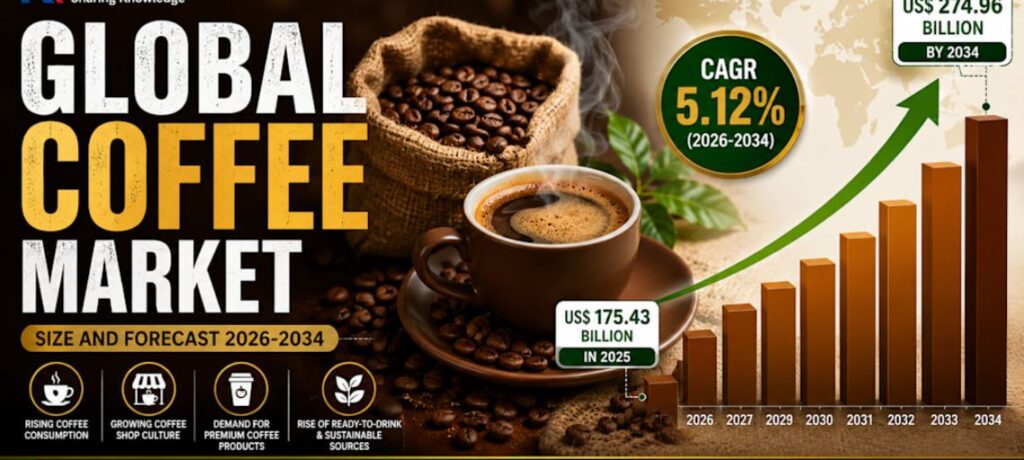
What to many consumers is the start of their day is thousands of millions of miles across borders in a sophisticated global supply network of producers, processors, exporters, roasters, retailers, and consumers.
Coffee production is the livelihood of millions of households across the globe, especially in developing economies where it is an essential income generator; countries such as Brazil, Vietnam, Colombia, Ethiopia, and Honduras continue to play a major part in world production, with demand rising in North America, Europe, and the Asian markets.
Coffee as a market is not just important for agriculture but is now a valuable component of hospitality, tourism, retail, and food service. “The increased prominence of cafe culture means cafes now provide meeting, workspaces, and have re-established themselves as community centres, creating opportunities.”
Consumer demand has increasingly pushed for higher quality goods, greater transparency, and sustainability.
Why Specialty Coffee Continues to Drive Market Growth
The continuing growth of specialty coffee is a prominent trend in the coffee market. Compared to commodity coffee, the specialty sector focuses on the quality of coffee beans from origin to the cup as well as transparency in production.
Several factors are contributing to the growth of this segment:
- Growing demand for single-origin coffees
- Increased interest in coffee processing methods
- Greater emphasis on traceability and transparency
- Rising popularity of artisanal roasting techniques
More consumers are interested in the story behind their coffee. They are curious about the growing location of the beans, the agricultural practices, and what specific characteristics one can expect from certain origins.
Single origins are now being chosen over blended coffees for their distinct flavor characteristics that come with certain environments.
Coffee connoisseurs want beans from areas where they know that you’ll be getting outstanding quality, whether that’s notes of flowers for your Ethiopian, or chocolate and nutty for your Colombian.
This rise in demand for consumption has motivated farmers and roasters to improve cultivation, harvest, and processing.
Related reads:
- Coffee Bean Price Crisis 2026
- What is Specialty Coffee?
- Specialty Coffee Scarcity
- How to Brew Specialty Coffee at Home
Sustainability is Becoming a Business Necessity

Sustainability is no longer perceived as the exclusive concern of the coffee industry. It has now become the mainstream issue, which concerns producers, businessmen, and consumers too.
Climate change represents one of the biggest risks to the production of coffee, and the rise in temperature, unstable rainfall patterns, and increased pest attacks have affected coffee-growing terroir in the world, and investments have been made in long-term efforts to maintain sustainability.
Key sustainability priorities include:
- Water-efficient farming practices
- Shade-grown coffee cultivation
- Soil conservation initiatives
- Ethical sourcing programs
- Waste reduction strategies
Consumers also contribute to this transition. There is a growing number of coffee drinkers who consciously look for products that fulfil their environmental and social responsibilities.
Certifications and sustainability campaigns are valuable tools to inform the consumer about the sustainability efforts in sourcing and build confidence in the consumer.
Apart from environmental issues, sustainable efforts have also contributed to farmers’ economic development by providing fair prices, training, and community programs.
The Role of Technology in the Modern Coffee Market

In fact, almost all processes of producing and consuming coffee, from farmers and roasters to sellers and customers, are affected by technology.
In farms, technological tools enable farmers to observe weather conditions, manage the amount of water, and discover diseases in coffee. Based on these technologies, they can make better decisions and improve the efficiency of management and productivity.
In terms of roasting processes, roasters can make their roasting processes much more stable using advanced equipment and software technology. The fine temperature control and analysis enable professional coffee sellers to demonstrate the distinctive flavours.
Furthermore, the customer experience has changed as well. Mobile order and pay systems and online subscriptions are common, and it is easy to understand the customers’ habits using them.
Regional Trends Shaping the Global Coffee Market
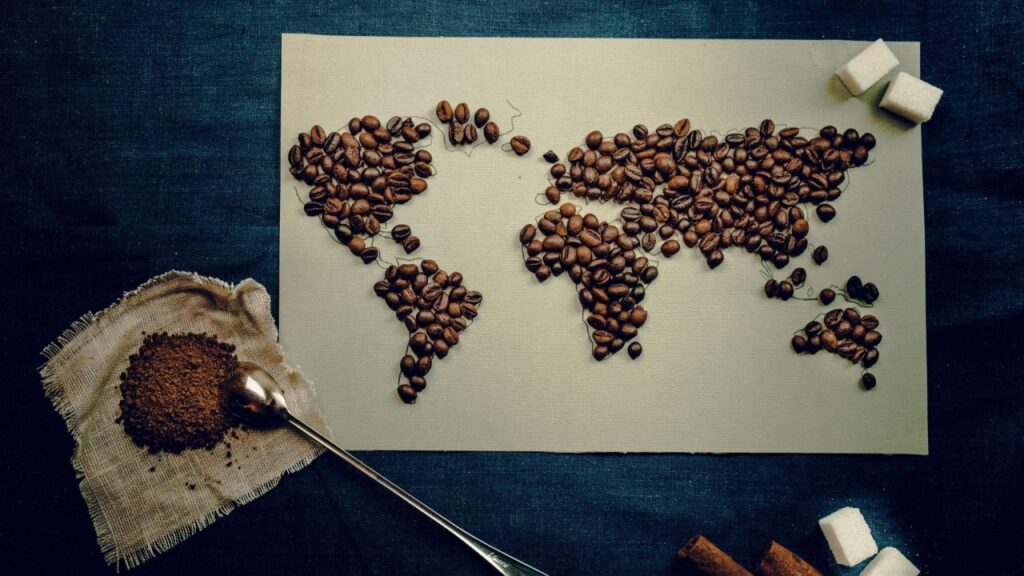
Although coffee is consumed worldwide, market dynamics vary significantly between regions.
North America
North America is one of the major coffee-drinking areas in the world. The demand for specialty coffee has grown particularly strongly in the younger generations who seek coffee quality and sustainability, as well as premium and different tastes.
The market has been fuelled by the increase in high-quality cafes, the growing popularity of cold brew coffee, and home brewing equipment. Coffee consumers view coffee as a product of experience rather than the commodity it is traditionally considered to be.
Europe
Europe is a traditional market in terms of consumption; however, it has remained a mature but strong market with Italy, Germany, France, and the Netherlands as key players.
European consumers are likely to be well aware of environmental and product quality concerns, hence influencing the demand for fair and specialty coffees.
Asia-Pacific
The Asia Pacific market is one of the brightest growth markets in the coffee industry. Increasing incomes, urbanisation, and shifts in the consumer’s way of living and disposable income are fostering coffee consumption in various markets.
Though the trend to tea drinking continues to be strong in several markets, the younger generations are adopting coffee culture in the form of boutique cafes, global coffee chains, and high-value ready-to-drink beverages.
Latin America and Africa
These areas are still a focus for coffee production worldwide. However, the growth in domestic coffee consumption in a number of producing countries presents additional market possibilities.
The combination of the continuing development of local coffee cultures and existing export demand could become beneficial to producers.
Consumer Trends Influencing Coffee Demand
Consumer preferences continue to evolve, shaping the direction of the global coffee market.
Several notable trends are influencing purchasing decisions:
- Premium coffee experiences
- Cold brew and specialty beverages
- Home brewing culture
- Ready-to-drink coffee products
- Sustainability-focused purchasing
A growing opportunity in trend: Premiumization is still a very large opportunity; customers are increasingly willing to pay more for products that offer better quality, unique taste, and transparent sourcing information.
Replacement of hot coffee: cold brew coffee is now one of the top alternatives to hot coffee, and it is gaining immense popularity among the youth. This cool drink is appreciated for its mellow flavor and user-friendly aspect.
New opportunities of the coffee industry: home brewing will be a strong opportunity for manufacturers of coffee machines and roasters because coffee drinkers will tend to spend money on purchasing coffee grinding machines, espresso machines, brew makers, etc to have the same quality of coffee as that served at the coffee houses in the home.
Challenges Facing the Coffee Industry
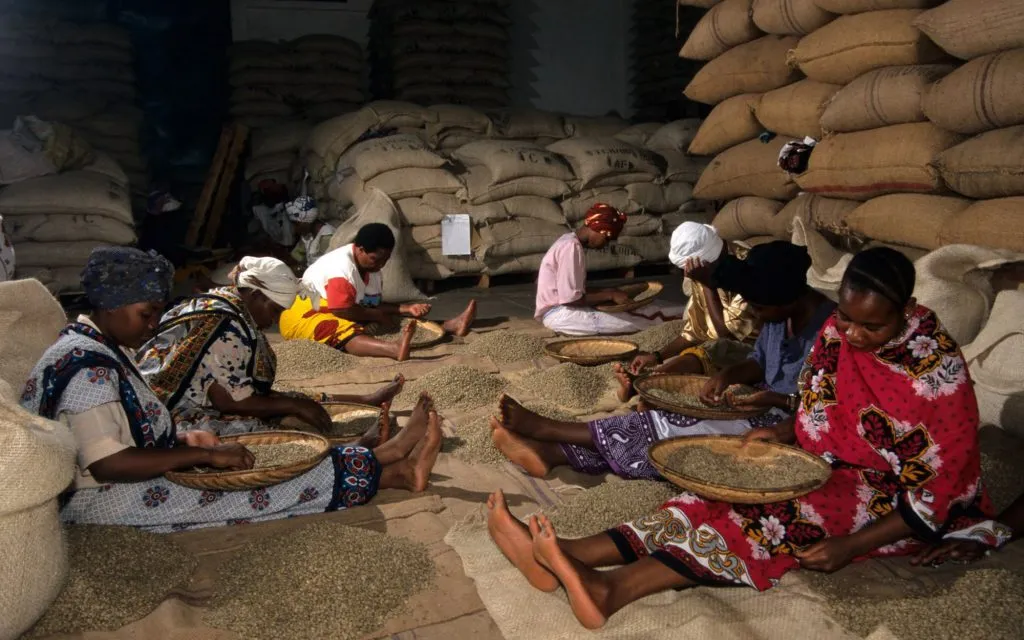
Despite its positive outlook, the coffee market faces several ongoing challenges.
Key concerns include:
- Climate change impacts
- Supply chain disruptions
- Price volatility
- Rising production costs
- Labor shortages
Climate risk also appears important due to the vulnerability of coffee production to steady weather patterns and the subsequent impact on the amount, quality, and availability of the crops. The issue of disruptions in supply chains demonstrated the need to enhance resilience and diversify.
Coffee industry players throughout the value chain are in constant effort to minimize risk without jeopardizing stable product availability. The issue will involve cooperation between producers, governments, trade organizations, and the private sector.
What the Future Holds for the Coffee Market
The future of the coffee market appears promising. Industry forecasts suggest that the market could reach approximately USD 226.56 billion by 2035, reflecting continued demand and ongoing industry innovation.
Several factors are expected to support future growth:
- Expansion of specialty coffee segments
- Greater focus on sustainability initiatives
- Increased technology adoption
- Growth in emerging consumer markets
- Continued product innovation
Companies that prioritize quality, transparency, and environmental responsibility are likely to be well-positioned to meet evolving consumer expectations.
As coffee culture continues to develop worldwide, businesses that can combine tradition with innovation will have significant opportunities to thrive.

George Buttler is a business and market research content writer specializing in emerging technologies, digital transformation, and global industry trends. He creates informative and research-focused content related to artificial intelligence, technology markets, and business innovation.
