
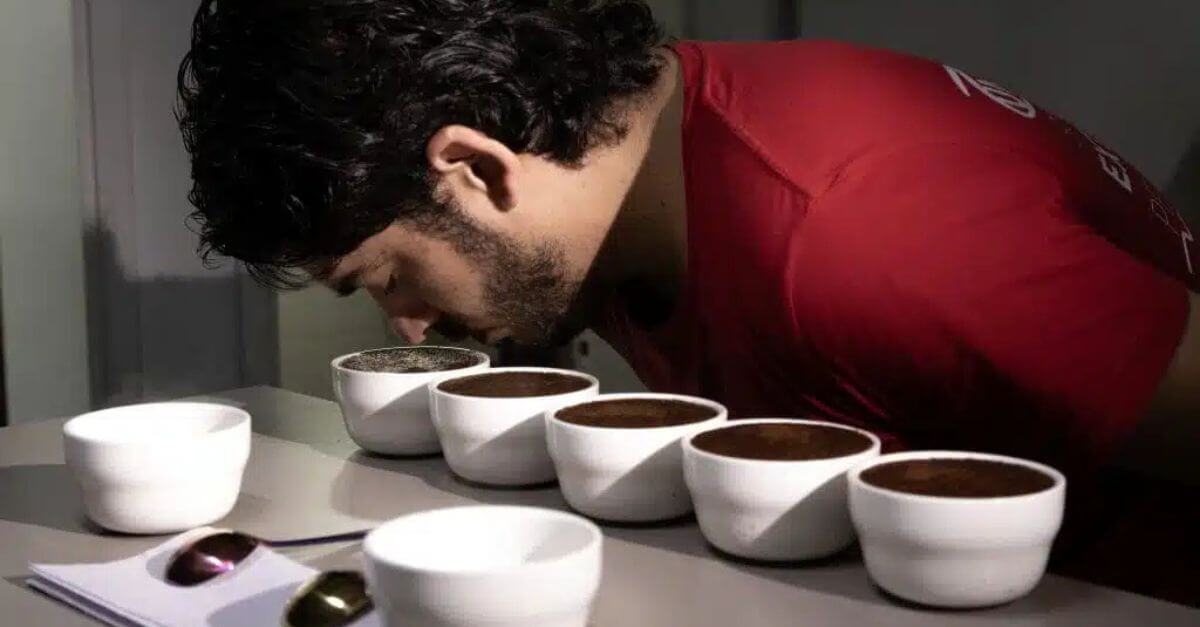
Specialty coffee scarcity is no longer a distant forecast. It is a present-day, measurable reality already reshaping what ends up in your cup — and how much you pay for it.
Specialty coffee scarcity is accelerating on multiple fronts simultaneously: climate breakdown, shrinking growing zones, supply chain fragility, and a demand curve that keeps climbing. For coffee lovers, roasters, and café owners — the warning bells are loud and getting louder.
The world drinks roughly 2.25 billion cups of coffee every single day. Yet the land capable of producing the finest beans is quietly disappearing. Understanding the roots of specialty coffee scarcity is the first step toward navigating what comes next.
| ☕ KEY TAKEAWAYS |
| Specialty coffee scarcity is being driven by climate change, shrinking arabica zones, and record-breaking price spikes. [1] |
| FAO data shows coffee prices surged nearly 40% in 2024 alone — the highest levels in 50 years. [2] |
| Up to 50% of arabica-suitable land globally could be lost by 2050 under current warming trajectories. [3] |
| Brazil — the world’s largest producer — is forecasting a 12% drop in arabica output in 2025. [4] |
| Honduras faces the steepest projected decline, with suitable growing zones potentially collapsing from 53% to just 12% by 2050. [5] |
| Wild arabica is now classified as Endangered by conservation researchers if no interventions are made. [6] |
| Consumers, cafés, and roasters must act now — sourcing smart, going direct-trade, and diversifying origins. |
What is Specialty Coffee Scarcity?
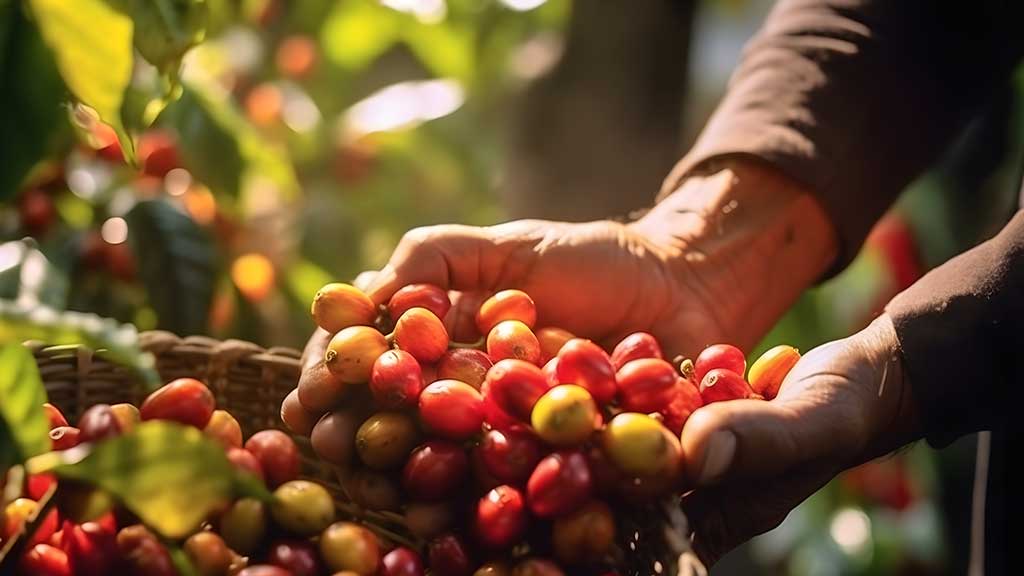
Specialty coffee scarcity refers to the shrinking availability of high-quality, traceable, single-origin beans that score 80 points or above on the Specialty Coffee Association (SCA) scale.
Unlike commodity-grade coffee, specialty beans require ideal growing conditions — specific altitudes, rainfall patterns, temperatures, and soil compositions. When those conditions erode, the supply does too.
This is not a theoretical problem. Specialty coffee scarcity is happening now — in Ethiopia’s famed highland forests, in Colombia’s Andes, in the volcanic slopes of Central America. Entire micro-regions that once defined a flavor profile are losing the conditions that made them extraordinary.
The consequences ripple out: fewer rare lots at auction, higher prices for what remains, and a slow compression of the once-rich diversity of specialty offerings.
The Climate Engine Behind the Crisis
The numbers don’t lie; the market is in a freefall.
Arabica coffee — the varietal that defines the specialty market — is extraordinarily climate-sensitive. It thrives within a narrow mean annual temperature band of 15°C to 24°C (59°F–75°F), predominantly at elevations above 2,000 feet. As global temperatures rise, that sweet spot is vanishing.
Climate Central has documented that leading coffee-growing countries responsible for 75% of the world’s coffee supply now experience an average of 57 additional coffee-harming heat days each year. El Salvador records 99 extra heat-stress days annually. [1]
Droughts, erratic rainfall, intensifying hurricanes, and creeping temperatures are not occasional disruptions — they are the new operating environment for coffee farmers worldwide.
The data is unambiguous. Specialty coffee scarcity is already showing up in commodity markets, export reports, and grocery receipts. What was once a slow-moving supply concern has turned into a fast-moving price crisis — and the two biggest producing nations are at its center.
Record Prices
In 2024, Arabica coffee prices surged 60% year-on-year by December, while Robusta prices doubled compared to 2023.[3] The FAO reported a nearly 40% average price surge across 2024, the highest levels seen in 50 years.[2]
Coffee futures on the ICE New York exchange hit record highs in early 2025. Industry insiders are openly discussing $12 lattes becoming the norm. Some analysts warn that prices could double again within a few years.
Brazil: The Epicenter
Brazil produces approximately 37% of global coffee. The country recently endured its worst drought in 70 years. For 2025, Brazil has forecast a 4.4% overall drop in production and a 12% decline specifically in Arabica output. [4] Brazil’s coffee inventories may also drop by 26% year-over-year to just 1.2 million bags by the end of the 2024/25 season.
Vietnam: Robusta Under Pressure
Vietnam — supplying roughly 17% of global coffee — saw significantly limited exports in 2024 due to adverse weather. Even Robusta, historically more heat-tolerant, is now feeling the squeeze from erratic rainfall and extreme heat in Southeast Asia.
The Disappearing Land
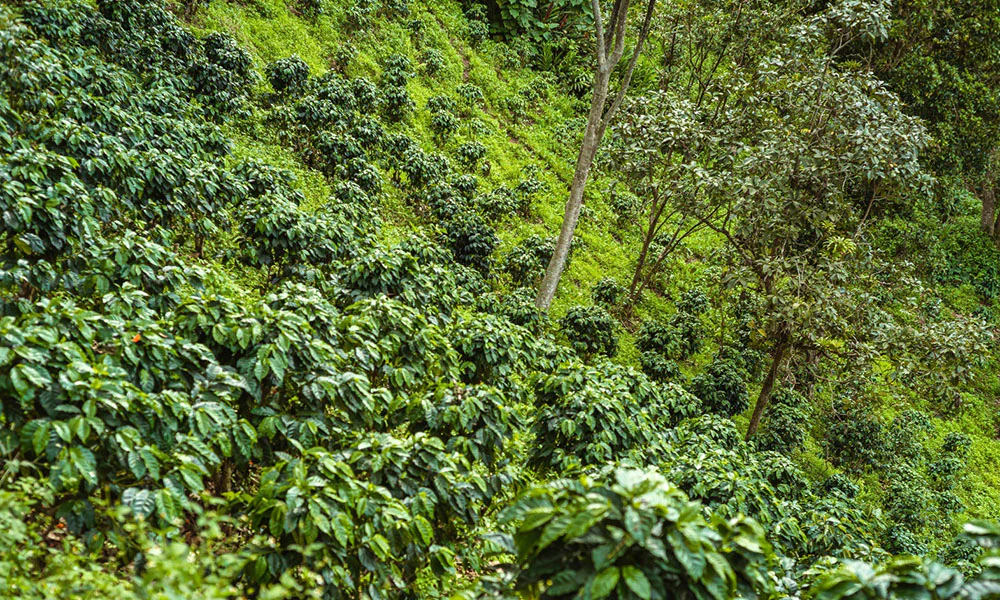
Peer-reviewed research published in PLOS ONE confirms that up to 50% of Arabica-suitable land could be lost by 2050.[3] A Rabobank analysis applying a four-category climate suitability model projects country-specific losses that are staggering:
- Brazil: Suitable arabica zones falling from 81% to 62% of the current production area [5]
- Colombia: Unsuitable zones rising from 7% to 18%; suitable zones shrinking from 56% to 45% [5]
- Honduras: Suitable zones collapsing from 53% to just 12% — a near-total wipeout [5]
- Ethiopia: Up to 60% of current coffee-growing land may become unsuitable, threatening not just supply but irreplaceable genetic diversity [7]
- Kenya: Production has already fallen from 130,000 tons in 1988 to fewer than 40,000 tons by 2021 [7]
World Coffee Research estimates that 47% of global coffee production comes from countries that could lose over 60% of their suitable growing land by 2050. [3]
The Rabobank report puts it plainly: specialty coffees and brand origins are likely to suffer the most, because the very terroir that defines their flavor profiles is being erased.
Wild Arabica: On the Edge of Extinction
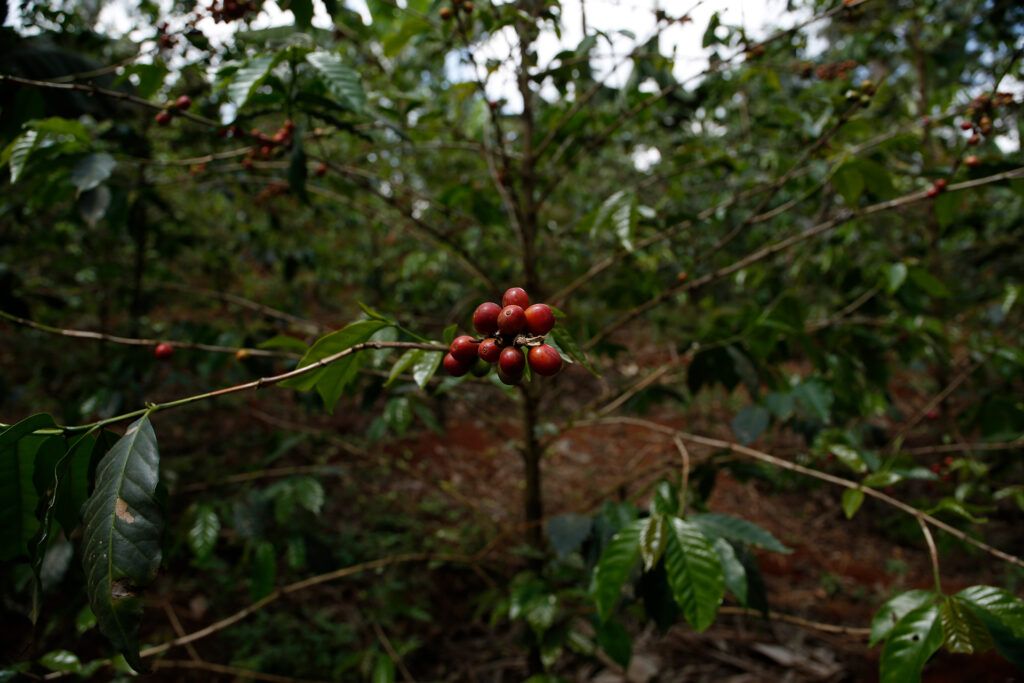
This is where specialty coffee scarcity becomes existential. Dr. Aaron Davis of the Royal Botanic Gardens at Kew classifies wild Arabica coffee as Endangered under IUCN Red List criteria when climate projections are applied. [6]
Without intervention, wild Arabica populations could decline by 50% or more by 2080. A separate Science study found that up to 60% of all wild coffee species globally face extinction risk, including many whose genetic traits hold the key to developing disease-resistant and climate-resilient cultivars.
Losing wild coffee species doesn’t just shrink supply — it eliminates the genetic toolkit that breeders need to build coffee’s future. It’s a crisis within a crisis.
Specialty Coffee Scarcity and the Consumer’s Cup
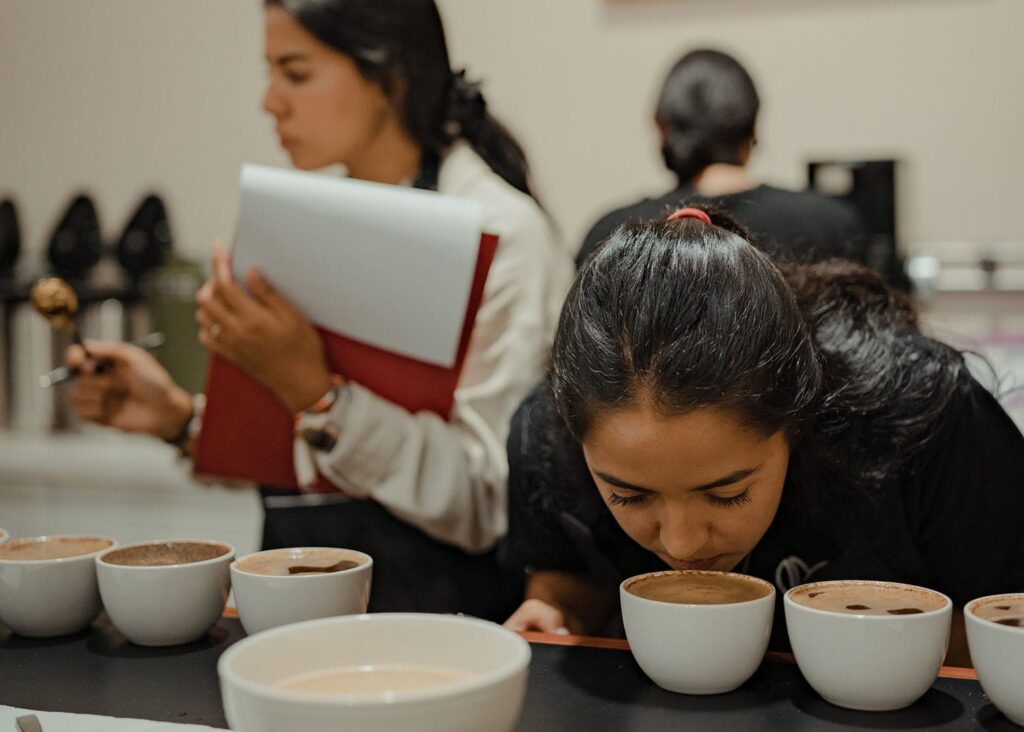
You’re already feeling this — even if you haven’t named it. The $7 latte. The limited-edition single-origin that sold out in hours. The beloved origin that disappeared from your roaster’s menu. These are the early symptoms of specialty coffee scarcity reaching retail.
Mainstream brands like Nescafé and Folgers have quietly reduced package sizes and adjusted blends in response to cost pressures. Specialty roasters face harder choices: absorb costs, raise prices, or shrink their offering.
Over time, as brands adjust sourcing and reformulate blends, the very baseline of what “good coffee” tastes like may shift — with consumers gradually accepting a lesser cup as the new normal.
What CoffeNZO Believes — And What You Can Do
At CoffeNZO, we believe that awareness is the first act of resistance. Specialty coffee scarcity is real, urgent, and solvable — but only if the industry, and its customers, act with intention.
Here is what you can do right now:
- Buy from roasters who pay fair, above-market prices to farmers — direct-trade relationships are your most powerful vote
- Seek out coffees from higher-elevation origins like Ethiopia, Kenya, and Colombia’s Nariño — regions still producing exceptional specialty lots
- Support World Coffee Research and similar organizations funding climate-resilient varietals
- Diversify your palate — explore Robusta blends and emerging origins like Uganda, Rwanda, and Myanmar before scarcity shapes your options for you
- Reduce, reuse, and recycle — individual carbon footprint reduction is part of the long game for coffee’s survival
Specialty coffee scarcity doesn’t have to mean the end of great coffee. But it does demand better choices — from farm to cup. Every bag you buy from a transparent, sustainability-focused brand is a message that quality and the land that produces it, still matters.
Frequently Asked Questions
Q: Is specialty coffee actually running out?
A: Not overnight — but the trajectory is clear. The land capable of producing specialty-grade Arabica is shrinking due to climate change. Supply chain shocks are becoming more frequent, and prices are hitting multi-decade highs. Specialty coffee scarcity is not a hypothetical; it is an unfolding process. The question is not whether it happens, but how fast — and whether the industry adapts in time.
Q: Why are specialty coffee prices so high right now?
A: Multiple crises are compounding simultaneously. Brazil’s historic drought, Vietnam’s export shortfalls, and reduced output from Indonesia all hit the market within a short window. Arabica prices rose over 60% year-on-year by late 2024, and futures markets hit record highs in early 2025. Specialty-grade lots, which command premium pricing under normal conditions, are being squeezed hardest because the specific growing conditions they require are the most vulnerable.
Q: Which coffee origins are most at risk from climate change?
A: Honduras faces the steepest projected land loss — from 53% suitable to just 12% by 2050. Brazil’s lowland Arabica regions are highly vulnerable. Ethiopia, though home to critical genetic diversity, could lose up to 60% of its suitable growing area. Colombia and Central America face significant mid-elevation losses. Conversely, some higher-elevation East African origins — particularly Uganda and Rwanda — may see relative stability or even expanded suitability.
Q: Can technology or new coffee varieties solve specialty coffee scarcity?
A: Potentially, in part. World Coffee Research and the Royal Botanic Gardens at Kew are actively developing climate-resilient cultivars with traits sourced from wild coffee species. Some startups are also exploring beanless coffee alternatives made from ingredients like date seeds and sunflower extract. However, replicating the complex cup profile of high-quality Arabica remains deeply challenging. Technology can buy time and widen the field — but it cannot fully substitute for the environmental conditions that create great coffee.
Q: What can everyday coffee drinkers do to help?
A: More than most realize. Buying from transparent, direct-trade roasters sends market signals that reward farmers fairly and incentivize sustainable growing practices. Supporting certification programs that fund shade-grown and organic farming helps preserve biodiversity buffers. Reducing your personal carbon footprint — even modestly — contributes to slowing the temperature rise that is the root cause of specialty coffee scarcity. And staying informed keeps the conversation alive, pushing brands and policymakers toward meaningful action.
References
[4] https://farrellymitchell.com/food-beverage-supply-chain/coffee-supply-chain/
[6] https://pmc.ncbi.nlm.nih.gov/articles/PMC6900256/
[7] https://xliiicoffee.com/en/journal/coffee-industry-in-disaster-strikes/
Related posts:
Macchiato vs Cortado: Which Bold Little Espresso Drink Actually Wins?
Tuesday March 17, 2026How Does a Percolator Coffee Pot Work?
Friday May 15, 2026What is the Best Coffee for Beginners?
Saturday May 9, 2026How Much Coffee Grounds Per Cup of Water?
Monday May 18, 2026How to Remove Old Coffee Stains from Carpet: A Step-by-Step Guide That Actually Works
Wednesday April 29, 202625 Best Coffee Roasters in America
Thursday February 19, 2026Cortado vs Cappuccino vs Latte: Which Espresso Drink is Right for You?
Sunday March 22, 2026Does Coffee Liqueur Have Caffeine?
Monday May 4, 2026
Hi,
I’m Wycléf NY, a certified barista with 6 years of experience (as of December 2025).
I started this website to share my coffee preparation insights with aspiring coffee enthusiasts and interact with fellow baristas.
Let’s catch up over a cup of iced Coffénzo coffee or shoot me a quick short message text (sms) at ny@coffenzo.com