
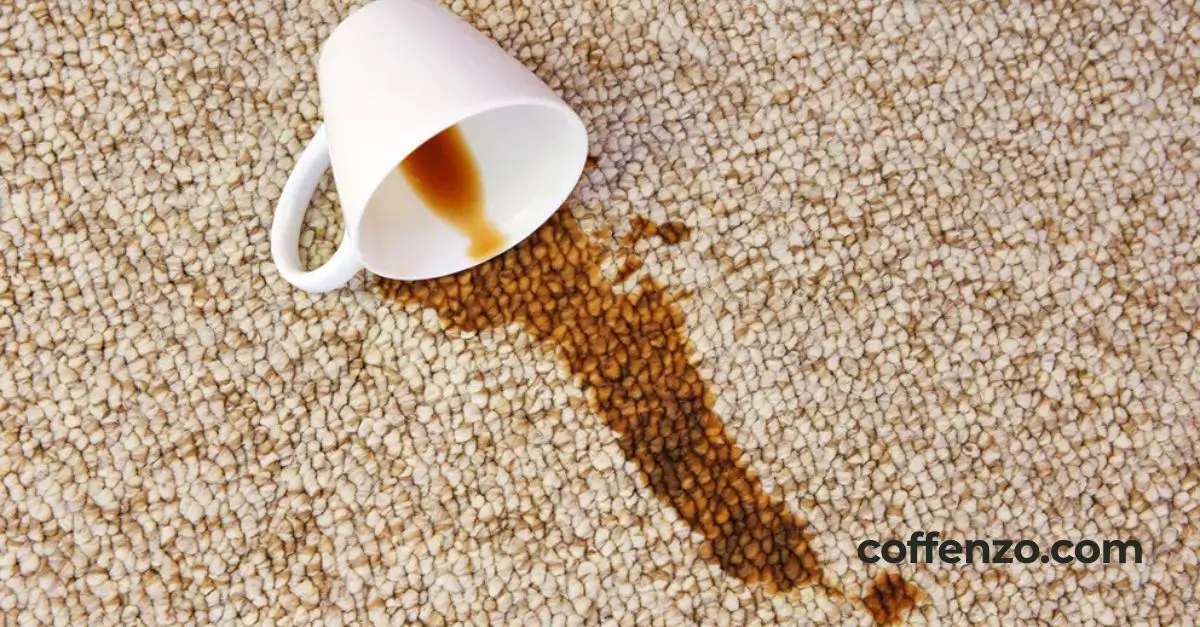
We’ve all been there — a rushed morning, a tipped mug, and a carpet that soaks up every last drop before you can grab a towel. Fresh spills are forgiving. Old ones? Not so much. If you’ve been staring at a dark, set-in coffee stain on your carpet for days, weeks, or even months, and wondering how to remove old coffee stains from carpet, don’t give up on it just yet.
With the right approach and a little patience, those stubborn marks can come out completely.
Here at Coffenzo, we’re passionate about coffee in every form — from types of coffee drinks, gear maintenance, and now guides such as how to remove old coffee stains from carpet and more. So, let’s talk about how to remove coffee stain from carpet.
But first, let’s answer this question:
Why Are Old Coffee Stains on Carpet Hard to Remove?
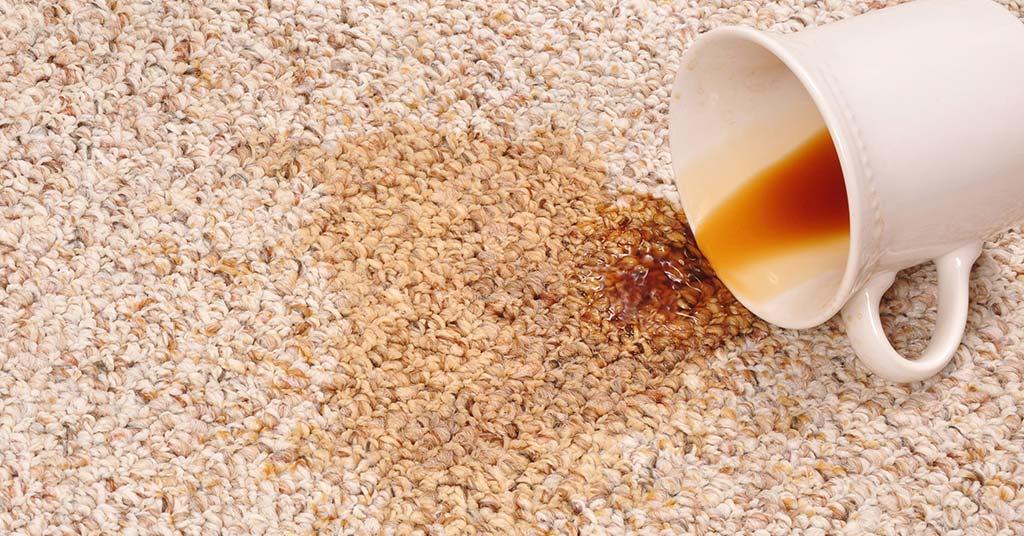
When coffee first hits carpet fibers, it’s mostly water carrying pigments, oils, and tannins. In those first few minutes, a quick blot can lift most of it before it bonds to the fibers.
But once the liquid evaporates, what’s left behind are the tannins and oils — natural compounds that essentially dye whatever they touch. Over time, they oxidize, darkening further and gripping the fibers more tightly.
That’s why a stain you ignored for a week behaves very differently from one you caught immediately. Understanding this is the first step toward removing it effectively.
Suggested for you: How to Make Coffee Less Bitter
What You’ll Need Before You Start


Getting your supplies ready before you begin will save you from running around mid-treatment with a wet carpet. You likely already have most of these at home.
Gather the following:
- Clean white cloth or several paper towels
- Spray bottle filled with cold water
- White distilled vinegar
- Dish soap (clear or white, not colored)
- Baking soda
- Soft-bristled brush or old toothbrush
- Hydrogen peroxide (3% concentration, the standard drugstore variety)
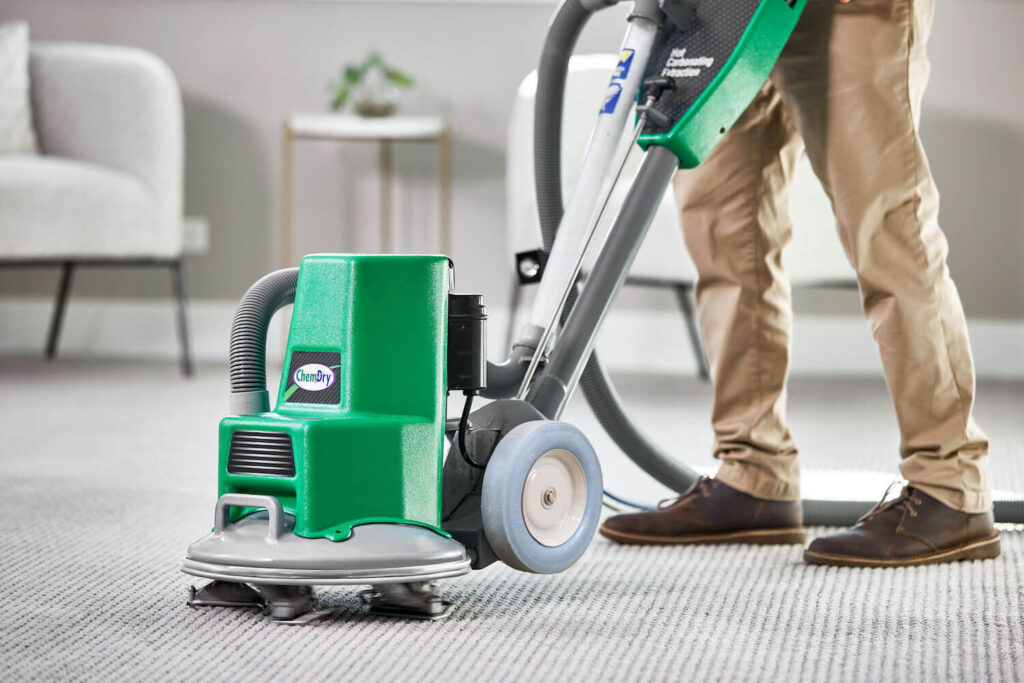
- Commercial enzyme-based carpet cleaner (pictured above) can also be a helpful backup (especially for stubborn stains)
NB. Avoid colored cloths, as the dye can transfer to wet carpet fibers and make the situation worse. Also, always use cold water — hot water sets stains deeper into the fibers.
A Step-By-Step Guide on How to Remove Set in Coffee Stains from Carpet
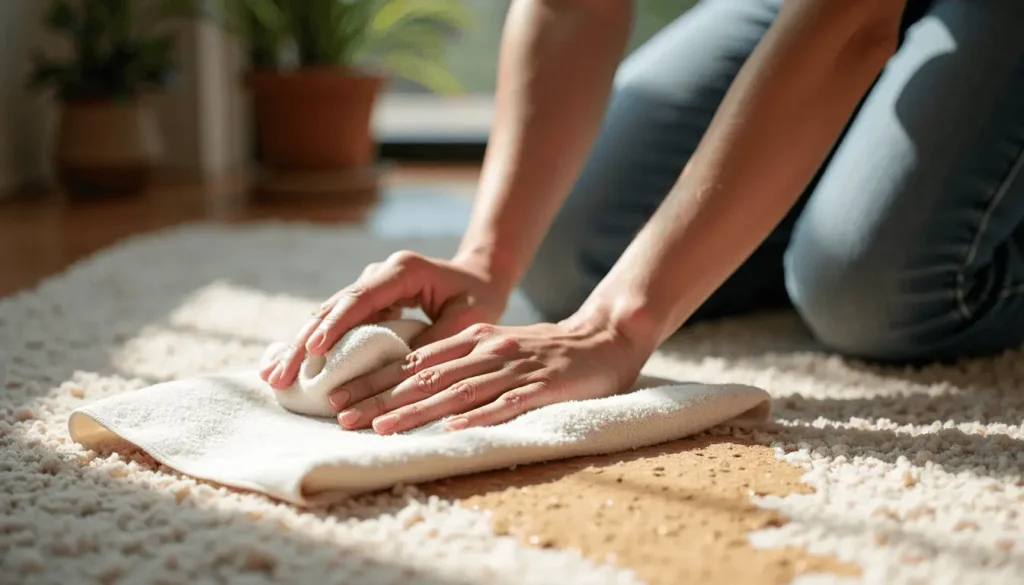
Follow this procedure (as is) to remove stubborn old coffee stains from a carpet:
Step 1: Loosen the Dried Stain with Cold Water
Before applying any cleaning solution, you need to rehydrate the dried stain. This is a step many people skip, and it’s one of the reasons their treatments don’t fully work.
Lightly mist the stained area with cold water from your spray bottle. Don’t soak it — just dampen it enough to soften the dried coffee residue. Let it sit for about two minutes.
Then, using a clean white cloth, blot gently from the outer edges of the stain toward the center. This prevents the stain from spreading outward. At this stage, you may already notice some color lifting onto the cloth. That’s a good sign.
Step 2: Apply a Vinegar and Dish Soap Solution
Vinegar is mildly acidic, which makes it effective at breaking down the tannins in coffee. Combined with dish soap, it becomes a gentle but capable cleaning agent that works well on carpet fibers without causing damage.
Mix one tablespoon of white distilled vinegar, one tablespoon of dish soap, and two cups of cold water in a bowl or spray bottle. Apply the solution directly to the stained area, working it in gently with your soft-bristled brush using small circular motions.
Avoid scrubbing aggressively — this can fray carpet fibers and push the stain deeper. Let the solution sit on the stain for five to ten minutes to work into the fibers, then blot with a clean cloth. Repeat this process two or three times if the stain is particularly set.
Step 3: Use Baking Soda to Draw Out Residue
Once you’ve worked the vinegar solution into the carpet and blotted away as much as you can, baking soda comes in as your next ally. It acts as a mild abrasive and odor neutralizer, and it helps pull remaining residue out of the fibers as it dries.
Sprinkle a generous amount of baking soda over the damp, treated area. Gently press it into the fibers with your fingertips or the back of a spoon — you want it to make contact with as much of the stained area as possible.
Let it sit for at least 15 to 20 minutes. If you can leave it overnight, even better.
Once it’s fully dry, vacuum it up completely. You should notice that both the stain and any lingering coffee odor have diminished significantly.
Step 4: Treat Remaining Discoloration with Hydrogen Peroxide
If you’re dealing with a stain that’s been sitting for a long time, you may find that the vinegar and baking soda routine lightens it considerably but doesn’t erase it entirely.
This is where hydrogen peroxide steps in. It has mild bleaching properties that can break down the remaining pigment without harming most carpet types.
Before applying it to the whole stain, test hydrogen peroxide on a small, hidden area of your carpet first — like the inside of a closet or behind a piece of furniture. Wait a few minutes and check for any discoloration or fiber damage.
If the test area looks fine, apply a small amount of 3% hydrogen peroxide directly to the remaining stain. Let it sit for five minutes, then blot it up with a clean cloth.
Rinse the area lightly with cold water and blot dry. Avoid using hydrogen peroxide on dark or richly colored carpets, as it can cause fading.
Step 5: Rinse and Dry the Area Properly
This step is just as important as any of the cleaning steps. Leaving soapy or acidic residue in your carpet fibers can actually attract more dirt over time, making the area look dingy even after the stain is gone.
After your final treatment, lightly mist the area with plain cold water and blot it thoroughly with a dry cloth. Repeat this rinse-and-blot process twice to make sure all cleaning solution is removed.
Then, place a stack of dry white towels or paper towels over the damp area and weigh them down with something heavy — like a stack of books — for several hours or overnight. This draws remaining moisture up out of the fibers
Once dry, run a vacuum over the area to restore the carpet’s texture.
When to Call in a Professional
Most old coffee stains respond well to the method above, especially when you’re patient and methodical about it.
However, there are situations where a professional carpet cleaner is the smarter move.
If your carpet is made from natural fibers like wool or silk, it requires specialized cleaning agents that are gentler than vinegar and hydrogen peroxide.
If the stain has been there for months and has been treated multiple times with the wrong products, the fibers may have been damaged or the stain chemically altered in a way that home remedies can’t reverse.
In these cases, a professional steam cleaning service can often achieve what DIY methods cannot.
Preventing Future Stains
Now that you know how to remove old coffee stains from carpet, the best thing you can do is keep a simple routine that makes future accidents easier to deal with.
Keep a small spray bottle of cold water and a few clean cloths somewhere accessible in your kitchen or living space. The faster you act on a fresh spill, the less likely it is to become a set-in stain that needs this level of attention.
Carrying a travel mug with a secure lid — especially during morning routines — dramatically reduces the chance of spills in the first place.
And if you’re the kind of household that takes coffee into carpeted rooms regularly, consider placing an easy-to-clean rug or mat in high-traffic areas.
Conclusion
Removing old coffee stains from carpet is entirely possible without expensive products or professional help — you just need the right sequence of steps and a little persistence.
Starting with cold water to rehydrate the stain, followed by a vinegar-and-soap solution, baking soda, and hydrogen peroxide if needed, gives you a layered approach that addresses the stain from multiple angles.
Finish with a proper rinse and drying method, and your carpet can look as good as new.
At CoffeNZO, we believe great coffee is worth enjoying fully — and that means not stressing too much when accidents happen.
Whether you’re brewing a signature drink such as functional coffee or drizzling in a spoonful of blonde espresso, spills are part of the experience. Now you’re fully equipped to handle them.
Related posts:
Specialty Coffee Scarcity - the Coming ‘Rarity Crisis’
Sunday April 19, 2026Does Coffee Liqueur Have Caffeine?
Monday May 4, 2026What is the Best Coffee for Beginners?
Saturday May 9, 2026Cortado vs Cappuccino vs Latte: Which Espresso Drink is Right for You?
Sunday March 22, 2026How to Brew Coffee Without a Coffee Maker: 4 Methods to Make Coffee Anywhere
Sunday January 18, 2026Macchiato vs Cortado: Which Bold Little Espresso Drink Actually Wins?
Tuesday March 17, 2026How Much Coffee Grounds Per Cup of Water?
Monday May 18, 2026Coffee as Identity: The Third Place War
Monday April 20, 2026How Does a Percolator Coffee Pot Work?
Friday May 15, 2026
Hi,
I’m Wycléf NY, a certified barista with 6 years of experience (as of December 2025).
I started this website to share my coffee preparation insights with aspiring coffee enthusiasts and interact with fellow baristas.
Let’s catch up over a cup of iced Coffénzo coffee or shoot me a quick short message text (sms) at ny@coffenzo.com