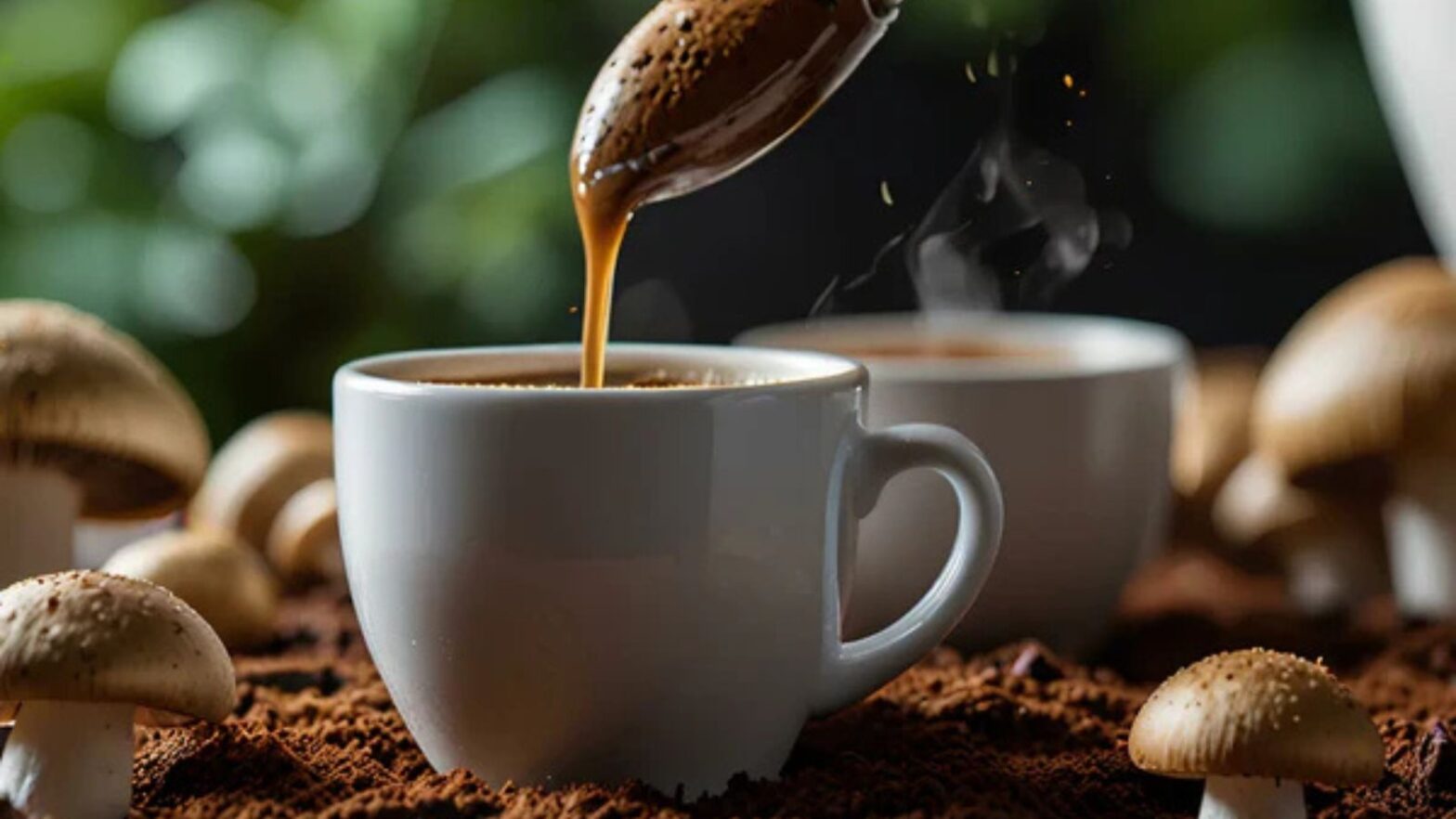
Coffee has always been personal. But something has shifted. The cup sitting on your counter this morning is no longer just about the caffeine. It’s about what else it’s doing for you — your focus, your mood, your gut, your immunity. Welcome to the era of functional coffee, and if you haven’t heard about it yet, you’re already behind the curve.
This isn’t a fringe wellness fad. It’s a $4.5 billion global market growing at nearly 12% annually, and it’s reshaping what baristas, coffee brands, and everyday drinkers expect from every single brew.
As someone who’s spent years behind the bar and even longer on the farm, I’ve watched this shift happen in real time — and I can tell you it’s not slowing down.
What Exactly is Functional Coffee?
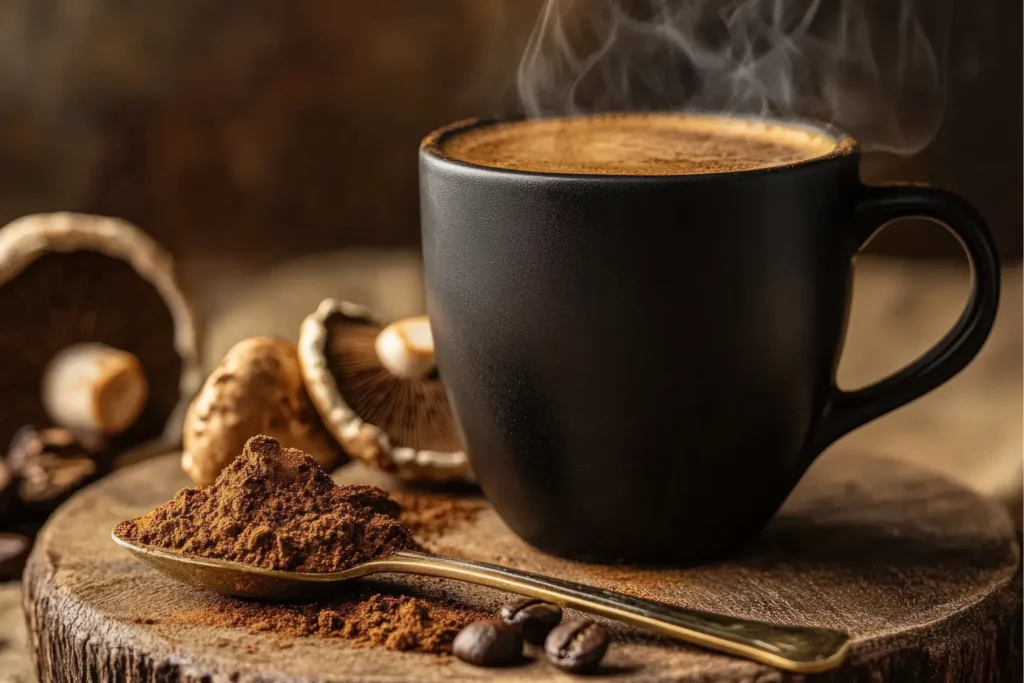
Functional coffee is coffee intentionally enhanced with ingredients that deliver specific health or cognitive benefits beyond caffeine’s standard energy boost.
Think adaptogenic mushrooms, nootropics, collagen, protein, prebiotics, or — closer to my heart — raw farm honey with its natural enzymes and antioxidants.
The keyword here is intentional. This isn’t about throwing a trendy ingredient into a latte and calling it wellness. The best functional coffees are formulated with purpose: a specific ingredient, a specific dose, a specific outcome, namely:
- Brain clarity
- Stress relief
- Muscle recovery
- Immune support
The consumers buying these products are not passive drinkers — they’re researching labels the way athletes read nutrition panels.
For independent coffee brands like CoffeNZO, this represents an enormous opening. Large chains move slowly. They test for 18 months before launching a menu. A small brand with the right ingredients and a real story? We can move at the speed of trust.
Functional Coffee Vs. Regular Coffee: What’s the Real Difference?
At first glance, both cups look the same — dark, aromatic, and inviting.
But what sets functional coffee apart is what’s been intentionally added to it: bioactive ingredients like adaptogens, medicinal mushrooms, nootropics, or other botanicals that go beyond the caffeine kick.
Regular coffee delivers flavor, ritual, and energy; functional coffee is engineered to deliver a specific wellness outcome on top of all that. Here’s how the two stack up:
| Category | Functional Coffee | Regular Coffee |
| Core ingredients | Coffee base + added bioactives — adaptogens (ashwagandha, rhodiola), medicinal mushrooms (lion’s mane, chaga), nootropics, or botanicals | Roasted coffee beans and water. Nothing else — unless you add milk or sweetener yourself |
| Primary purpose | Energy + a targeted wellness benefit: sharper focus, reduced stress, immune support, gut health, or anti-inflammatory effects | Flavor, warmth, and caffeine-driven energy and alertness |
| Caffeine level | Often lower — many blends use half-caf or are combined with adaptogens to smooth out jitters and the afternoon crash | Full caffeine load — typically 80–100 mg per 8 oz cup, depending on the roast and brew method |
| Taste profile | Varies by added ingredients. Mushroom blends can add earthiness; adaptogens may bring a subtle bitterness. High-quality blends are crafted so add-ins don’t overpower the coffee | Pure coffee flavor — roast-dependent notes of fruit, chocolate, nuts, or caramel, shaped entirely by bean origin and processing |
| Health claims | Typically, premium — added functional ingredients drive cost up, often $20–$40+ per bag | Well-documented antioxidant content; linked to reduced risk of type 2 diabetes, Parkinson’s, and certain cancers when consumed regularly |
| Price point | Varies by added ingredients. Mushroom blends can add earthiness; adaptogens may bring a subtle bitterness. High-quality blends are crafted so that add-ins don’t overpower the coffee | Wide range — from budget grocery store blends to specialty single-origin at $18–$28 per bag |
| Best for | Those looking to consolidate their morning coffee and supplement routine, or who want a gentler caffeine experience with added wellness intention | Purists, flavor explorers, and anyone whose primary goal is great-tasting coffee and a reliable energy lift |
Key takeaway: Neither option is objectively better — they serve different intentions. Regular coffee is a timeless, well-researched daily ritual; functional coffee is a category built for people who want their morning cup to carry more weight.
The Mushroom Coffee Movement: More Than a Trend
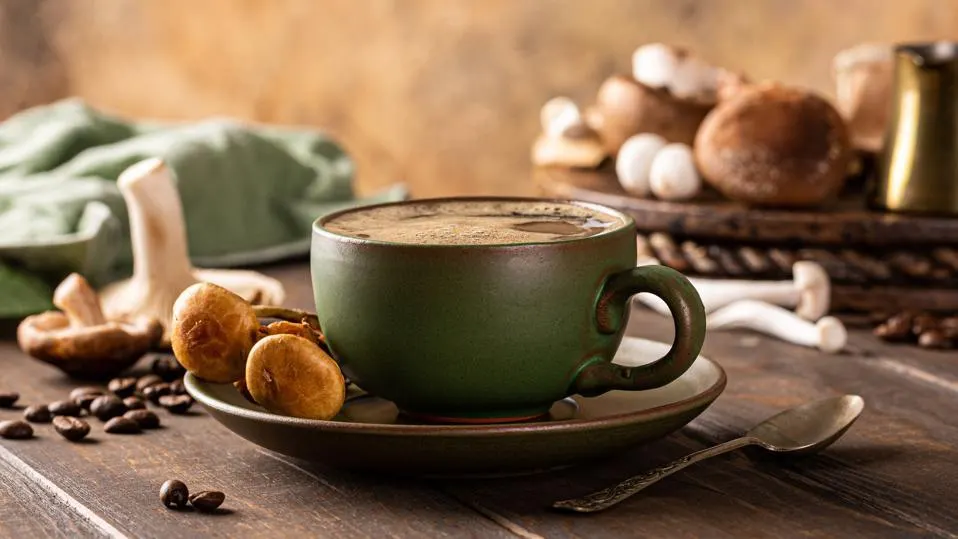
Of all the functional coffee formats gaining traction in 2026, mushroom coffee has made the most surprising leap from wellness niche to mainstream shelf.
Lion’s mane, chaga, reishi, and cordyceps are now common names in specialty coffee conversations — and for good reason: they work in ways people can feel.
Lion’s mane is linked to nerve growth factor stimulation — in plain English, it supports focus and memory.
Chaga is one of the most antioxidant-dense substances on the planet.
Reishi is the adaptogen of choice for chronic stress. Cordyceps is favored by athletes for oxygen utilization and endurance.
Combined with quality coffee, these mushrooms create a cup that speaks to the exhausted, the high-performing, and the health-aware all at once.
What’s most interesting for coffee brands isn’t just the ingredient — it’s the story. Consumers don’t just want functional benefits. They want to know why it works, who grew it, and how it got into their cup.
Suggested for you:
- What is a Colada Coffee?
- What is French Vanilla Coffee?
- How Much Caffeine in Decaf Coffee?
- Blonde Espresso: What it Is, Caffeine Content, and Why You Should Try It
Protein Coffee: Where the Gym Meets the Café
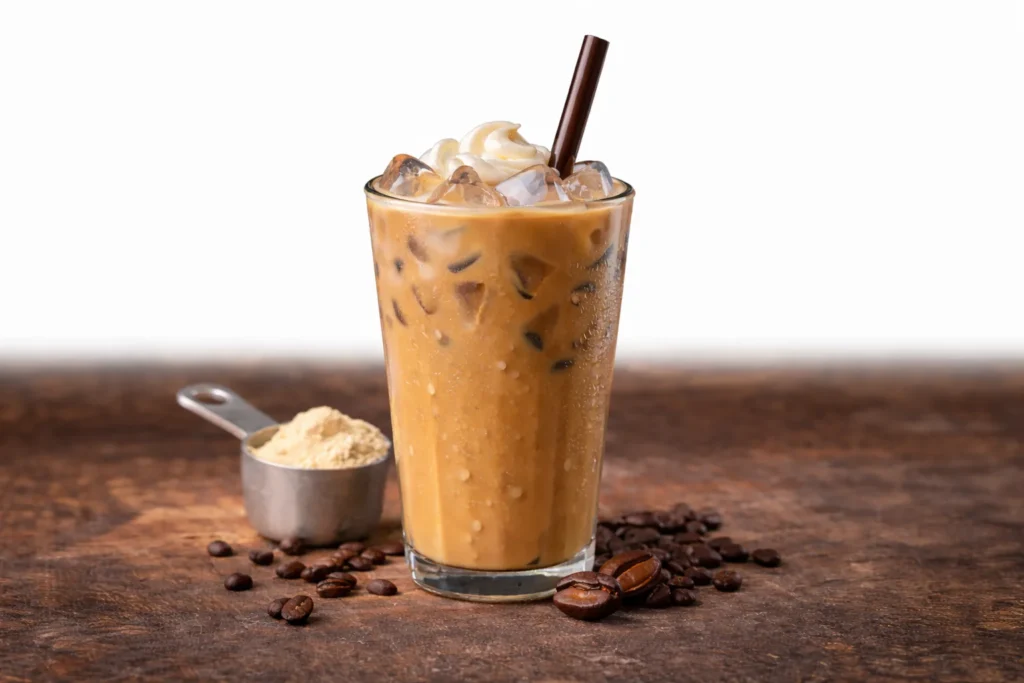
Protein coffee might be the single fastest-moving subcategory within functional beverages in 2026.
Ready-to-drink protein coffees and protein-enhanced iced espresso drinks have moved from specialty fitness retailers to mainstream grocery aisles — because they solve a real problem for a massive consumer group.
For the gym-going, busy, schedule-packed American adult, combining their morning coffee and post-workout protein shake into one product is not a gimmick. It’s efficiency.
Brands like Starbucks and Jimmy’s Coffee have already entered this space, but the mass-market versions are loaded with artificial sweeteners and cheap protein isolates.
Here’s where independent coffee brands have a genuine edge: sourcing. Clean-label whey, plant-based protein with traceable origins, or protein combined with natural functional additions like honey — these are the differentiators that a CoffeNZO-style brand can offer.
Premium protein coffee is still a wide-open lane. The consumer is there. The question is who they’re going to trust.
Honey as a Functional Coffee Ingredient — And Why Farms Matter
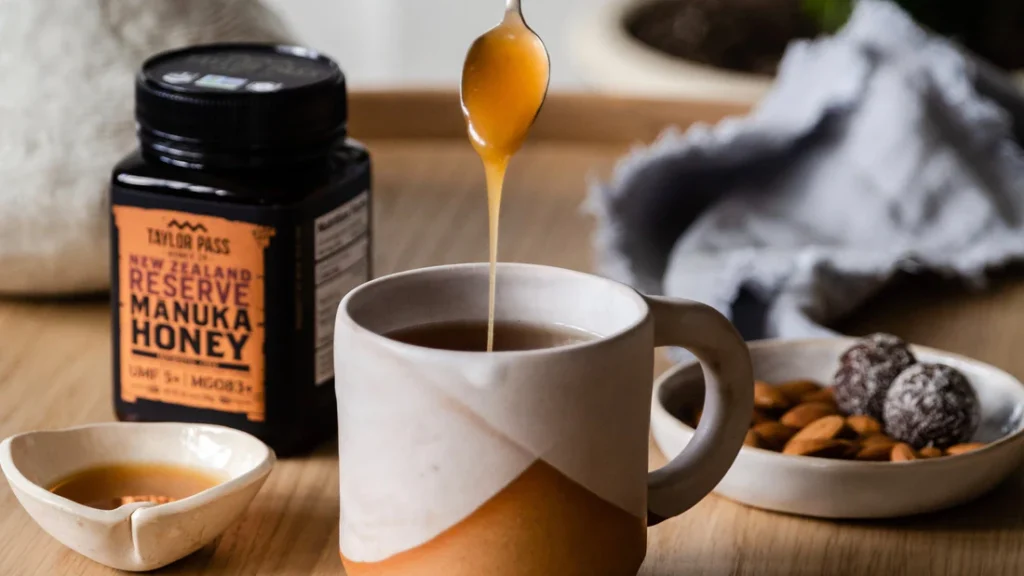
Let me bring this home — literally.
Raw, unprocessed honey is not just a sweetener. It’s one of the oldest functional foods on the planet. It contains over 200 bioactive compounds, including flavonoids, phenolic acids, and enzymes with documented antimicrobial, anti-inflammatory, and prebiotic properties.
When it’s sourced directly from a working farm, none of that is destroyed by industrial processing.
Adding farm honey to functional coffee isn’t a marketing angle. It’s a genuine upgrade. The prebiotic fiber in raw honey supports gut microbiome diversity, which is increasingly understood to be central to mental health, immunity, and energy regulation.
Combined with the right coffee and an adaptogen like lion’s mane, you have a cup that earns its claims.
At CoffeNZO, the bee honey we grow isn’t an afterthought. It’s an ingredient. And in a market increasingly skeptical of wellness claims, the ability to say ‘this came from our farm’ is a form of proof that no amount of branding budget can manufacture. Traceability is the new premium.
The Consumer Driving This Revolution: Who’s Actually Buying Functional Coffee?

Understanding who is buying functional coffee matters as much as understanding what they’re buying.
The core demographic skews toward millennials and Gen Z — specifically, health-conscious adults between 25 and 40 who are simultaneously managing high-performance careers, fitness goals, and information overload.
Coffee consumers in this age bracket are digitally fluent, label-literate, and deeply skeptical of inauthentic marketing.
But the functional coffee consumer isn’t just a young urban professional. The demographic is widening rapidly.
The scope is widening fast.
Today, it includes, parents looking for cleaner energy, remote workers battling 3PM brain fog, athletes replacing synthetic pre-workouts, perimenopausal women exploring adaptogens, and seniors managing cognitive health. Every one of these groups has a reason to reach for a cup that does more.
What unites them is the same thing: they’ve stopped separating their coffee ritual from their wellness routine. The cup is part of the plan.
Brands that understand this — and that can communicate benefits with honesty and depth — are the ones building lasting loyalty rather than chasing monthly trends.
What This Means for Independent Coffee Shops and Brands

The functional coffee revolution is not a threat to independent coffee businesses. It’s the single greatest opportunity the specialty sector has seen in a decade.
Here’s why: functional coffee requires expertise, story, and trust. These are things that large chains are structurally bad at manufacturing.
For a brand building a national footprint like CoffeNZO, the path forward isn’t competing on price or convenience — it’s competing on authenticity.
A functional coffee line built around farm-sourced honey, traceable specialty beans, and honestly communicated benefits is not just a product. It’s a brand position that becomes harder to replicate the more it’s built with integrity.
The practical steps are more accessible than they seem: develop one or two signature functional blends, document the sourcing, educate staff to speak fluently about the benefits, and build content that explains the ‘why’ behind every ingredient.
The search demand is already there. The consumer is already asking. The question for every independent shop in America is simply: are you going to answer?
Frequently Asked Questions
Q: Is functional coffee safe to drink every day?
A: For most healthy adults, yes. Functional coffee uses food-grade ingredients like medicinal mushrooms, honey, and adaptogens that have centuries of documented use. However, individuals who are pregnant, on medications, or managing specific health conditions should consult a healthcare provider before making any functional beverage a daily habit. The caffeine content of the base coffee also applies — standard daily limits hold.
Q: Does functional coffee actually work, or is it marketing?
A: The honest answer: it depends entirely on the product. The ingredients with the strongest clinical support — lion’s mane for cognitive function, chaga and reishi for immune and stress response, raw honey for gut health and antimicrobial properties — have genuine research behind them. The problem is dosage. Many mass-market functional coffees use quantities too small to produce measurable effects. Read labels, look for transparent dosing, and prioritize brands that cite their sourcing.
Q: What’s the difference between functional coffee and regular coffee?
A: Regular coffee delivers caffeine, antioxidants (coffee is actually one of the richest dietary antioxidant sources), and flavor. Functional coffee builds on that foundation by adding ingredients designed to produce a specific benefit — sharper focus, less cortisol spike, better gut health, faster muscle recovery. The best functional coffees are designed so the added ingredients complement the coffee’s natural chemistry rather than overpower it. Taste should never be sacrificed.
Q: Can I make functional coffee at home?
A: Absolutely, and many enthusiasts prefer it because they control the ingredients. Start with a quality single-origin or specialty blend as your base. Add a teaspoon of raw, unprocessed honey (heat destroys some of its enzymes, so add it after brewing). Incorporate a half-teaspoon of lion’s mane or chaga powder. Use whole milk, oat milk, or a clean plant-based protein if you want to add protein. The key is using high-quality, traceable ingredients — not flavored powders with proprietary blends that obscure what you’re actually consuming.
Q: Will functional coffee replace regular specialty coffee?
A: No — and that’s actually a healthy sign. Functional coffee is a category expansion, not a replacement. Specialty coffee built its identity around origin, process, and sensory complexity. Functional coffee is adding a wellness dimension to that conversation. The strongest future belongs to brands that can honor both: a coffee that tastes extraordinary and also does something meaningful for the person drinking it. That’s not a compromise. That’s where the category is growing.
References
[2] https://meetglimpse.com/trends/coffee-trends/
[4] https://weaverscoffee.com/blogs/blog/coffee-trends-2026
[5] https://www.webstaurantstore.com/blog/2356/top-coffee-trends.html
[6] https://perfectdailygrind.com/2026/01/coffee-shop-trends-in-2026/

Hi,
I’m Wycléf NY, a certified barista with 6 years of experience (as of December 2025).
I started this website to share my coffee preparation insights with aspiring coffee enthusiasts and interact with fellow baristas.
Let’s catch up over a cup of iced Coffénzo coffee or shoot me a quick short message text (sms) at ny@coffenzo.com