If you have ever stood at a coffee counter squinting at the menu, wondering what blonde espresso is and how it compares to the regular espresso you already know and love, you are not alone.
Blonde espresso has quietly become one of the most talked-about coffee options — yet most people still do not fully understand what makes it different, why it matters, or whether it is the right choice for their cup.
This guide breaks it all down, from the basics of what a blonde espresso is to the science of its caffeine content, flavor profile, and how it stacks up against other espresso options.
Whether you are a seasoned barista, a home brewer, or simply someone who takes their morning coffee seriously, understanding blonde espresso opens the door to a richer, more informed coffee experience.
What is Blonde Espresso?
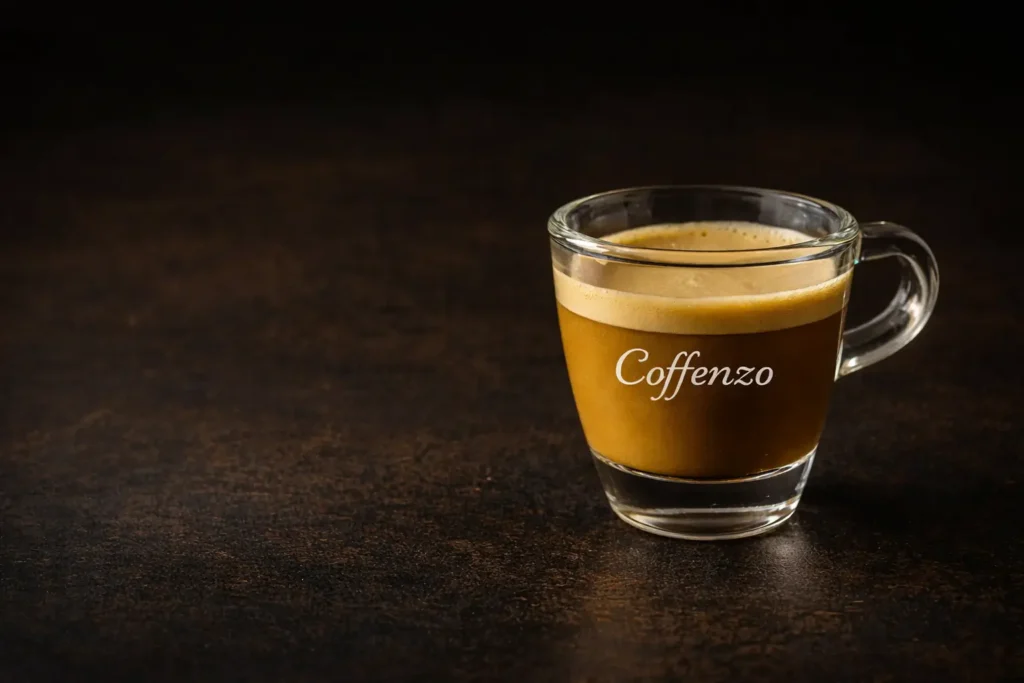
At its core, blonde espresso is espresso made from lightly roasted coffee beans. The word “blonde” refers to the color of the roast — lighter in shade than the deep, dark brown of a traditional espresso roast.
But do not let the lighter color fool you. Blonde espresso is not a weaker or less serious form of coffee. It is simply a different expression of what coffee can be.
Traditional espresso is made with a dark roast, in which beans are roasted at high temperatures for an extended period. This process develops bold, bitter, smoky, and caramelized flavors — the classic espresso taste most people grew up with.
A blonde roast espresso, on the other hand, uses beans roasted at lower temperatures for a shorter time, preserving more of the bean’s original character.
So, without further a do, let blonde espresso speak for itself — its origin, terroir, and natural sweetness.
What is a blonde espresso in terms of taste? Think lighter, brighter, and more complex. You will often notice citrus notes, subtle floral undertones, a soft sweetness, and a smooth, almost silky finish.
The bitterness that can sometimes dominate a dark espresso is significantly reduced, making blonde espresso more approachable for those who find traditional espresso too sharp or intense.
The concept of blonde espresso was popularized in mainstream coffee culture when major coffee chains began offering it as an alternative to their signature espresso blends.
Since then, it has found a dedicated following among specialty coffee lovers who appreciate nuance and complexity in their cup.
How to Make a Blonde Roast Espresso
A blonde roast espresso starts with high-quality green (unroasted) coffee beans, often sourced from regions known for bright, fruit-forward profiles — such as East Africa or Latin America.
These beans are roasted until they reach what is called a “light roast” or “first crack” stage, which typically occurs around 356°F to 401°F (180°C to 205°C).
At this stage, the beans are lighter in color, have a slightly dry surface (less oil than dark roasts), and retain a denser cellular structure.
When ground and pulled through an espresso machine, they produce a shot that is visually lighter in color — often a warm golden or honey tone rather than the deep amber of a dark roast pull.
Suggested for you: How Much Caffeine in Decaf Coffee?
Is Blonde Espresso Strong?
This is one of the most common questions coffee drinkers ask, and the answer depends entirely on how you define “strong.”
If strength means bitterness or boldness of flavor, then blonde espresso is actually milder than dark roast espresso. It has a lighter, brighter, and less intense flavor on the palate.
However, if strength means caffeine content — which we will explore in detail in the next section — then blonde espresso is arguably stronger than its dark roast counterpart.
This paradox surprises many people and is one of the most fascinating things about understanding blonde espresso.
Flavor Strength vs. Caffeine Strength
The confusion around whether blonde espresso is “strong” usually comes from conflating two very different kinds of strength:
- Flavor strength: How bold, bitter, or intense the coffee tastes.
- Caffeine strength: How much caffeine is actually present in the shot.
In terms of flavor, a dark roast espresso wins every time. The prolonged heat of dark roasting breaks down complex compounds and produces the rich, caramelized, sometimes smoky taste that defines classic espresso.
Blonde espresso, by contrast, is noticeably lighter — less bitter, more nuanced, with a natural sweetness and brightness.
But here is the twist: the roasting process that creates that bold dark flavor also degrades caffeine.
Longer roasting times at higher temperatures actually burn off a portion of the caffeine in the bean.
A lighter roast like blonde espresso — being less exposed to heat — retains more of its original caffeine.
So, is blonde espresso stronger? It depends on your definition.
Technically, we can summarize it this way: Blonde espresso is weaker in flavor but stronger in caffeine. This nuance is exactly what makes the world of specialty coffee so endlessly interesting.
“Blonde espresso: softer on the palate, stronger in the cup.”
Does Blonde Espresso Have More Caffeine?
Yes — and this surprises most people. Blonde espresso caffeine levels are measurably higher than those found in dark roast espresso, all else being equal. This is one of the most counterintuitive facts in the coffee world, and it is worth understanding why.
The Science of Blonde Espresso Caffeine
Caffeine is a naturally occurring compound found in coffee beans. It is relatively heat-stable, meaning it does not degrade as quickly as other compounds during roasting — but it is not entirely immune either.
Studies in food chemistry have shown that extended exposure to high roasting temperatures does lead to some caffeine loss, though the effect is modest.
The more significant factor is density. Lightly roasted beans are denser than dark roasted beans.
When you roast a bean to a dark level, moisture evaporates, CO2 is released, and the bean physically expands and becomes less dense.
A dark roast bean is actually larger and lighter per unit than a light roast bean.
This matters enormously when you measure coffee by volume (scoops) rather than by weight. If you use the same number of scoops of blonde espresso versus dark espresso, you are using more beans by weight with the blonde roast — and therefore more caffeine.
Blonde Espresso Caffeine: What the Numbers Look Like
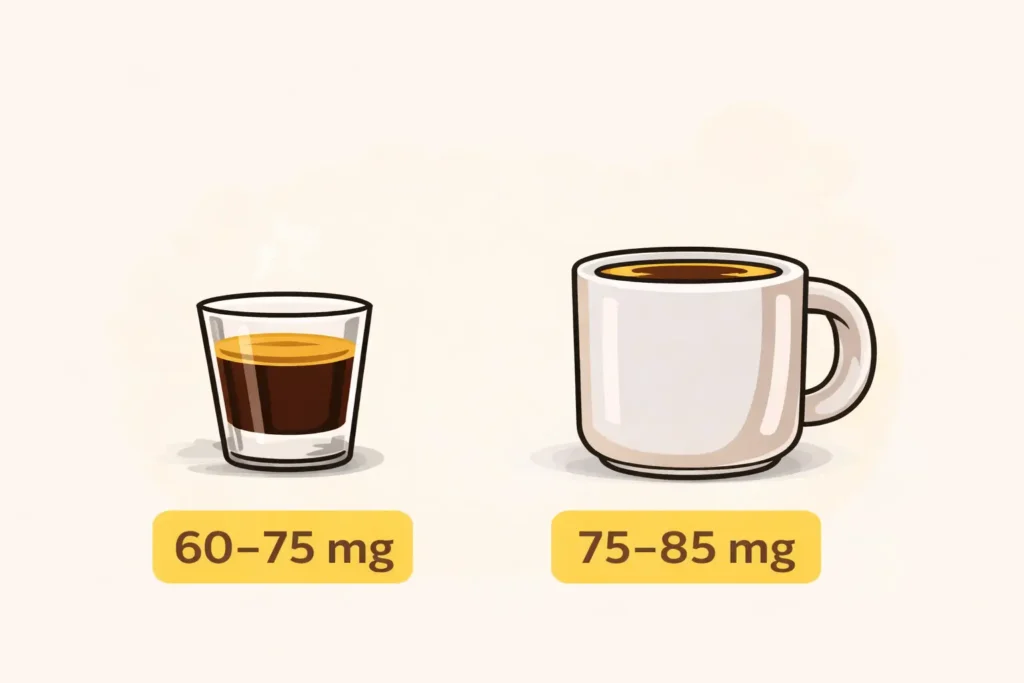
A single shot of blonde espresso typically contains about 75–85 mg of caffeine.
If you’re thinking specifically about Starbucks Blonde Espresso, it’s on the higher end—around 85 mg per shot, which is actually more caffeine than their regular espresso.
To put this into perspective, consider a standard espresso shot pulled from a major coffee chain’s blonde espresso blend versus their dark signature espresso.
The blonde shot typically contains noticeably more caffeine per serving — in some cases, the difference can be significant when compounded across multiple shots in a drink like a latte or flat white.
For everyday coffee drinkers, this is important information:
- If you want more caffeine to start your day, ordering a drink made with blonde espresso is a smart choice.
- If you are sensitive to caffeine or trying to reduce your intake, you may want to opt for a dark roast espresso instead.
- If you love the smooth, bright flavor of blonde espresso but are watching your caffeine intake, consider ordering a single shot rather than a double.
At CoffeeNZO, we believe every coffee drinker deserves to know exactly what is in their cup. Understanding blonde espresso caffeine levels helps you make intentional choices — whether you want the gentle lift of a single blonde shot or the full energy of a double.
Blonde Espresso vs Signature Espresso
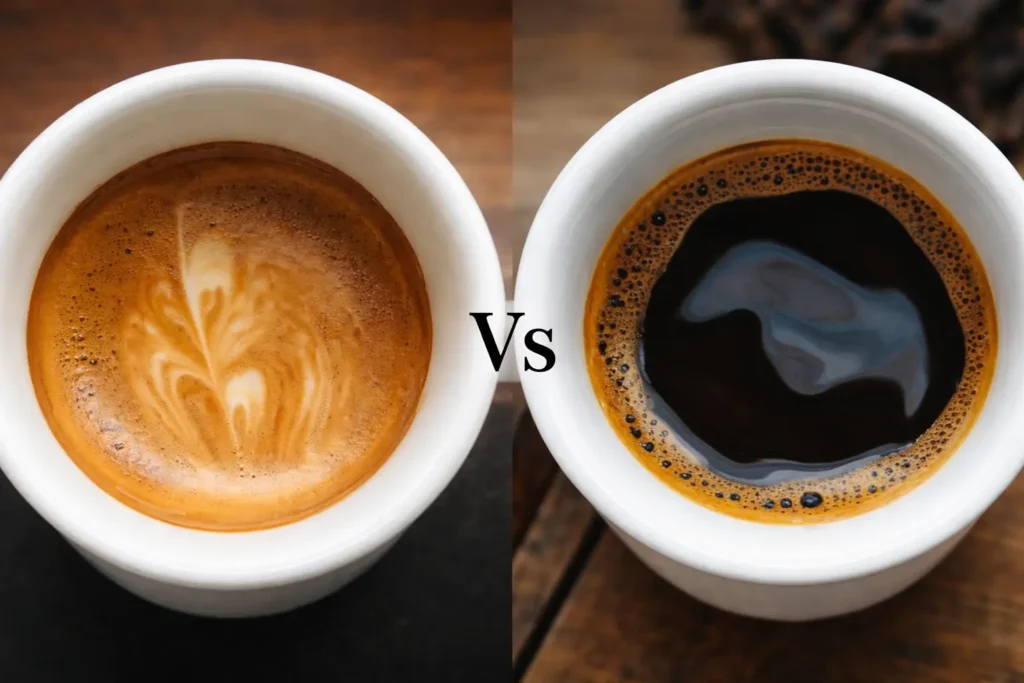
When coffee chains introduced blonde espresso as a permanent menu item, they positioned it specifically as an alternative to their existing “signature” espresso — their classic, dark-roasted house blend.
This comparison has become one of the most commonly searched topics for coffee lovers trying to decide which option suits them best.
Here is a detailed breakdown of how blonde espresso and signature espresso differ across every meaningful dimension:
Roast Level
Signature espresso is a dark roast. It has been roasted longer, producing beans that are deep brown, oily on the surface, and rich in the flavors associated with intense heat — dark chocolate, caramel, toasted nuts, and a smoky undertone.
Blonde espresso is a light roast, lower in heat, resulting in a lighter-colored bean that retains more of its natural origin flavors.
Flavor Profile
Signature espresso: Bold, rich, slightly bitter, with deep caramel and dark chocolate notes. This is what most people picture when they think of espresso — assertive and full-bodied.
Blonde espresso: Light, bright, and smooth. Expect citrus zest, gentle floral notes, mild sweetness, and a clean finish. The bitterness is significantly reduced, and the acidity is more vibrant and pleasant.
Caffeine Content
As discussed above, blonde espresso contains more caffeine per shot due to the lower roast level and higher bean density. If caffeine is a priority for you, blonde espresso is the higher-octane choice despite its gentler flavor.
Pairing with Milk
This is where the practical difference really shows up for most coffee drinkers. Signature espresso’s bold, bitter character cuts through milk very effectively — it stands up to large amounts of milk in drinks like lattes and cappuccinos, ensuring the coffee flavor is never overwhelmed.
Blonde espresso, with its lighter and more delicate profile, behaves somewhat differently in milk. Its sweetness and brightness can complement milk beautifully in smaller drinks, but in larger milk-heavy beverages, the espresso character may be more subtle.
Many baristas recommend pairing blonde espresso with less milk — a flat white or a cortado, for example — to let its nuanced flavors shine through.
Compare: Cortado Vs Flat White
Who Should Choose Which?
Choose signature espresso if you: love a bold, traditional espresso flavor; prefer drinks with lots of milk; enjoy dark chocolate and caramel notes; or want the classic espresso experience.
Go for blonde espresso if you: prefer a smoother, less bitter taste; enjoy fruity or floral notes in your coffee; want more caffeine; are new to espresso and find dark roasts too intense; or appreciate specialty coffee complexity.
Blonde vs Regular Espresso
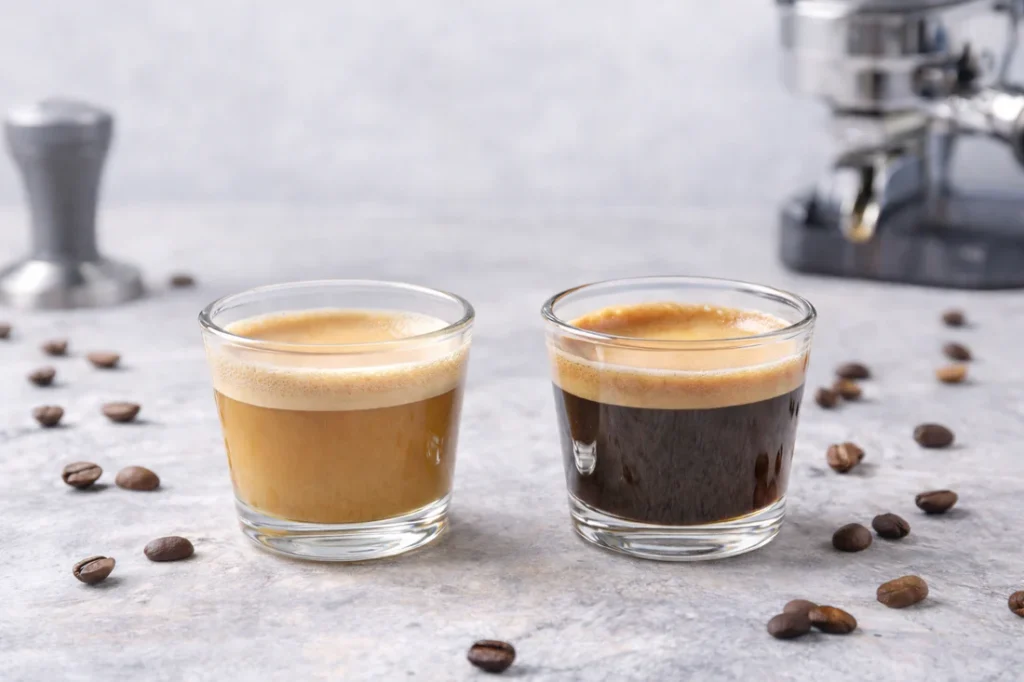
The comparison of blonde vs regular espresso is essentially the same as blonde vs signature espresso, but framed in the broader context of all espresso types.
“Regular espresso” in most cafes means a medium-to-dark roast — the kind of espresso that has been the global standard for decades, rooted in Italian coffee tradition.
Understanding where blonde espresso fits within the full spectrum of espresso options helps demystify the coffee menu and empowers you to make a better choice every time you order.
The Espresso Roast Spectrum
Espresso can be made from beans across a wide range of roast levels. Traditionally, espresso has been associated with dark roasts because they produce the intense, concentrated flavors that espresso is known for.
However, the specialty coffee movement has challenged this assumption, championing lighter roasts as a way to highlight the distinct character of individual coffee origins.
Here is how the main espresso roast types compare:
- Light roast / Blonde espresso: Bright, fruity, floral, smooth. Higher caffeine per scoop. Less oil on the surface.
- Medium roast: Balanced flavor with moderate acidity and body. A middle ground between brightness and richness.
- Dark roast / Regular espresso: Bold, bitter, smoky, caramelized. Lower caffeine per scoop due to extended roasting.
Is Blonde Espresso Stronger Than Regular Espresso?
The phrase “is blonde espresso stronger than” regular espresso is one of the most searched questions about this topic — and the answer mirrors what we established earlier.
In terms of flavor intensity and bitterness, regular (dark roast) espresso is stronger. As for caffeine, blonde espresso wins. The answer is not simple, because “stronger” means different things to different people.
For the energy-seeker, blonde espresso is the stronger choice. For the flavor-intensity lover, regular espresso takes the crown. For someone who wants both — intense flavor AND high caffeine — the sweet spot might actually be a medium roast espresso, which balances both attributes reasonably well.
Acidity and Digestibility
One lesser-discussed but important difference between blonde and regular espresso is acidity. Blonde espresso tends to be more acidic — not in an unpleasant way, but in the bright, clean way that specialty coffee lovers prize. For most people, this is entirely fine and even enjoyable.
However, for individuals with acid reflux or sensitive stomachs, dark roast espresso is often the better choice. The longer roasting process actually creates certain compounds that have been shown to reduce stomach acid production, making dark roast coffee gentler on the digestive system for some people.
“The right espresso is the one that fits your palate, your body, and your moment.”
How to Enjoy Blonde Espresso at Its Best

Now that you understand what blonde espresso is, how its caffeine compares, and how it stands up against signature and regular espresso, here are a few practical tips for getting the most out of it:
1. Try it Black First
The first time you try blonde espresso, drink it straight — no milk, no sugar. This is the only way to fully appreciate its natural flavor profile: the citrus notes, the subtle sweetness, the clean finish.
Most people who find dark espresso too bitter are pleasantly surprised by how approachable a straight blonde shot can be.
2. Pair it With the Right Drink
Blonde espresso shines in drinks where the coffee can express itself without being buried. Excellent pairings include:
- Cortado (equal parts espresso and steamed milk)
- Flat white (double shot with microfoam)
- Americano (diluted with hot water to create a long black)
- Cold brew-style iced espresso over ice with minimal additions
3. Use Fresh, Quality Beans
The lighter the roast, the more critical the quality of the bean becomes. Blonde espresso has nowhere to hide — there is no dark roast masking imperfections. Start with freshly roasted, single-origin or expertly blended beans.
4. Dial in Your Extraction
Blonde espresso can be trickier to extract perfectly than a dark roast. Because the beans are denser, they often require a finer grind and slightly longer extraction time to develop their full flavor.
If your blonde shot tastes sour or thin, try grinding finer. If it tastes bitter or over-extracted, grind slightly coarser.
Why Blonde Espresso Matters
Blonde espresso is not just a trend or a marketing term. It represents a genuine and meaningful shift in how we think about espresso — away from the idea that “more roasting = better coffee” and toward an appreciation of what the coffee bean can offer when treated with more care and restraint.
The blonde roast espresso movement is part of the broader specialty coffee revolution, which values origin, terroir, and natural flavor above all else.
Whether you are drawn to it for its higher caffeine, its smoother, less bitter flavor, or simply your curiosity after seeing it on a menu, blonde espresso deserves a place in every coffee lover’s experience.
It is a different lens through which to see coffee — and once you look through it, you may never see your espresso order the same way again.
Related posts:
Black Coffee vs Americano: Understanding the Real Difference
Saturday January 31, 2026Organic vs Non Organic Coffee: Similarities and Striking Differences
Wednesday January 28, 2026The Best Pour Over Coffee Maker with Genuine Customer Reviews
Monday February 9, 2026Macchiato vs Cortado: Which Bold Little Espresso Drink Actually Wins?
Tuesday March 17, 2026Cortado vs Cappuccino vs Latte: Which Espresso Drink is Right for You?
Sunday March 22, 2026Hario V60 Dripper Filters: What They Are and How to Use Them Properly
Saturday March 21, 2026Coffee as Identity: The Third Place War
Monday April 20, 20265 Best Electric Gooseneck Kettles - Brewista X Series (No. 5) is My Favorite
Sunday January 25, 2026What is Specialty Coffee? Know Why It's the World's Premium Coffee
Saturday February 14, 2026
Hi,
I’m Wycléf NY, a certified barista with 6 years of experience (as of December 2025).
I started this website to share my coffee preparation insights with aspiring coffee enthusiasts and interact with fellow baristas.
Let’s catch up over a cup of iced Coffénzo coffee or shoot me a quick short message text (sms) at ny@coffenzo.com