
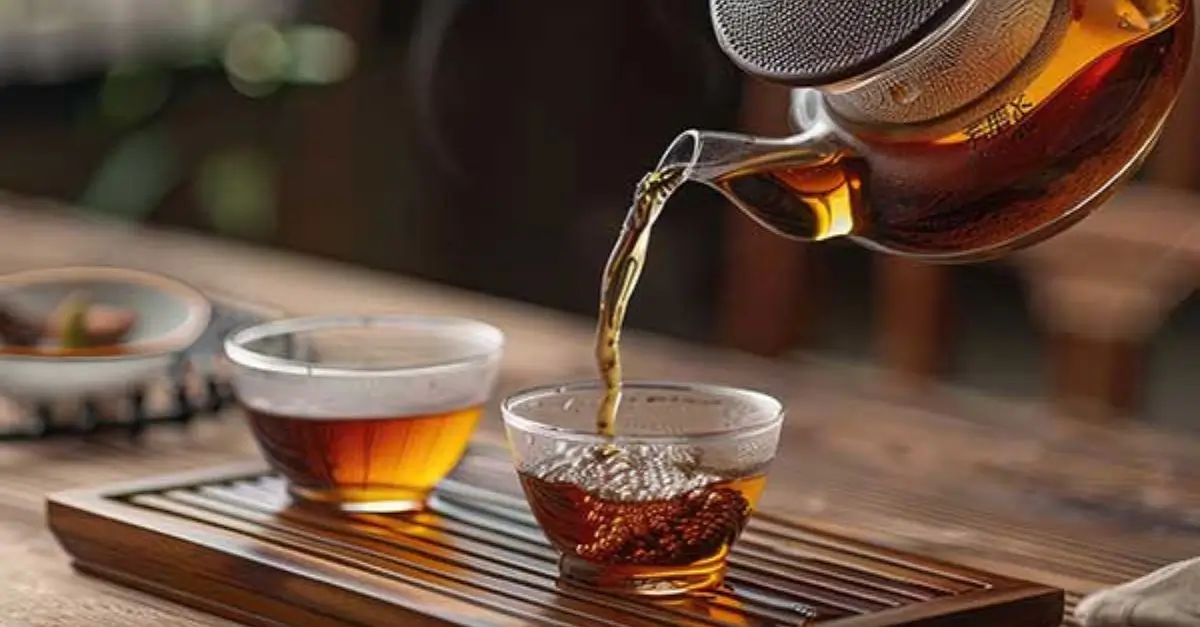
| ✅ The Direct Answer: Yes — Most Chai Has Caffeine Traditional chai (masala chai) is brewed with black tea, which naturally contains caffeine. A standard 8-oz cup delivers approximately 25–70 mg of caffeine — roughly one-third to half the amount in a typical cup of coffee. The exact amount depends on the type of tea used, how long it steeps, and whether you’re drinking a homemade brew, a café latte, or a store-bought concentrate. The only caffeine-free chai is made with herbal bases like rooibos or honeybush. If your chai contains any variety of true tea — black, green, white, or oolong — it contains caffeine. |
Walk into any café, and you’ll find chai on the menu — spiced, creamy, warming, and endlessly satisfying. But one question keeps coming up, whether you’re a new chai drinker or a seasoned one curious about cutting back on caffeine: Does chai actually have caffeine?
The short answer is yes, but the longer answer is far more interesting — and far more useful.
Chai’s caffeine story involves ancient spice traditions, tea chemistry, how brewing methods change everything, and why chai’s caffeine hits differently than coffee’s. If you’re trying to make an informed decision about your daily cup, this guide gives you everything you need.
What is Chai, Exactly?
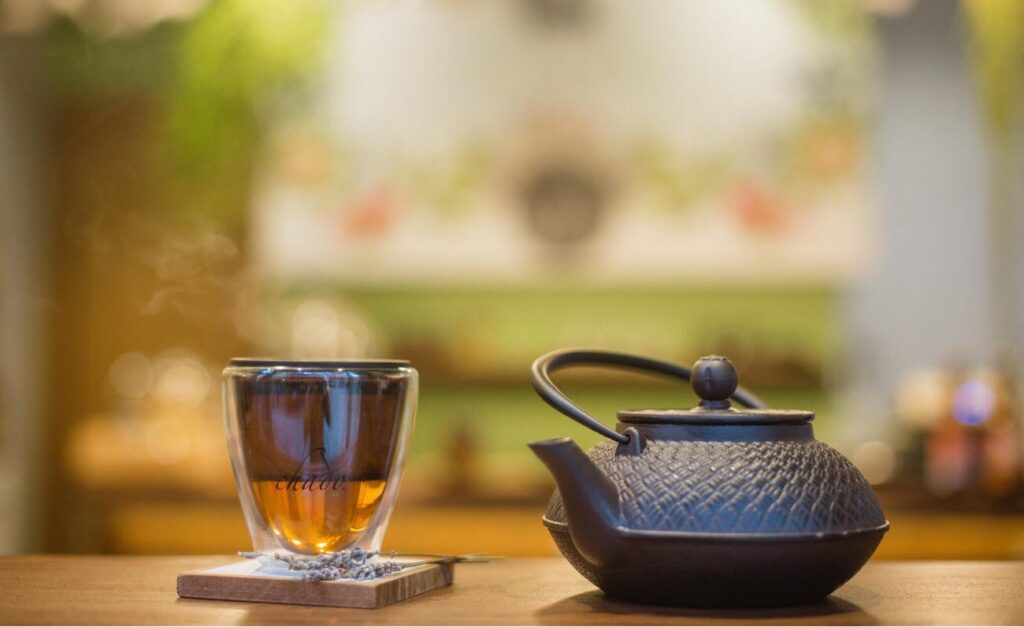
The word “chai” simply means tea in many languages, including Hindi. What most people in the West call “chai” or “chai tea” is more precisely called Masala Chai — masala meaning spiced.
The redundant Western phrase “chai tea” essentially means “tea tea,” but the name has stuck.
Traditional masala chai is an Indian beverage with roots going back thousands of years.
It is brewed by simmering black tea leaves together with a blend of aromatic spices — most commonly cardamom, cinnamon, ginger, cloves, and black pepper — in a mixture of water and milk.
The result is a rich, warming drink that is both flavorful and functional.
In modern café culture, chai has evolved into several distinct forms:
- Masala Chai (Traditional): Loose-leaf black tea simmered with whole spices and whole milk, prepared fresh on the stovetop.
- Chai Latte (Western Café Style): A chai concentrate or tea bag brewed strongly, then topped with steamed milk, often sweetened.
- Dirty Chai: A chai latte with one or two shots of espresso added — a popular hybrid for those who want the chai flavor and the kick of coffee.
- Iced Chai: Chilled chai concentrate poured over ice with cold milk — the summer staple.
- Herbal Chai (Caffeine-Free): Chai spices blended with a caffeine-free base like rooibos or honeybush.
Each version has a different caffeine profile, which is why the question “Does chai have caffeine?” doesn’t have a single universal number.
Where Does Chai’s Caffeine Come From?
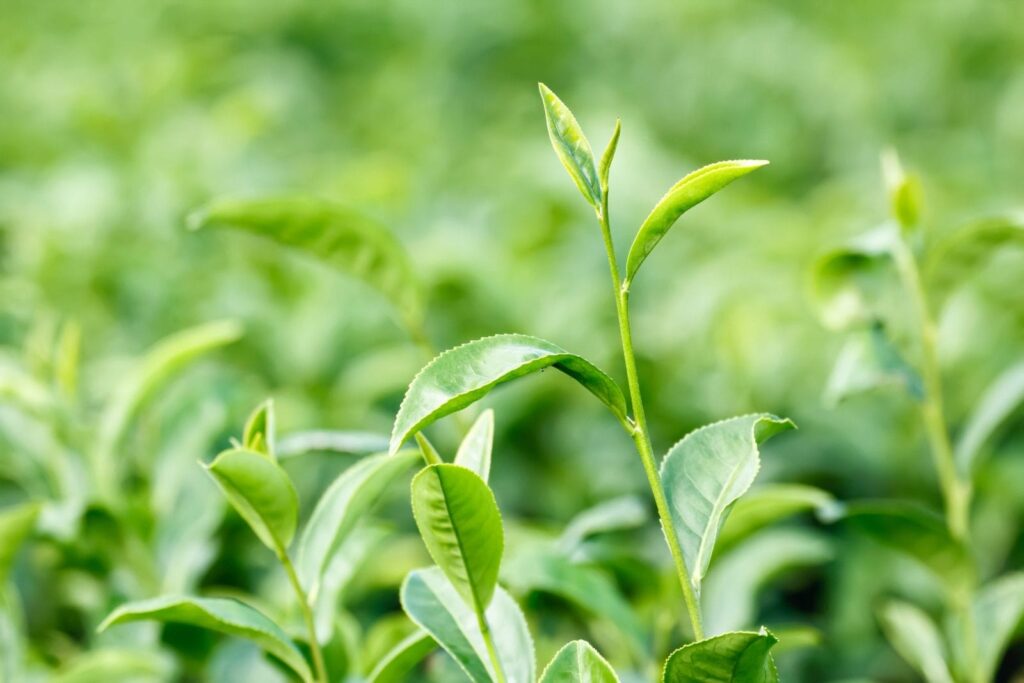
Caffeine in chai comes entirely from the tea base, not the spices. Cinnamon, ginger, cardamom, black pepper, cloves, and star anise — none of these contain caffeine. They contribute flavor, warmth, and a host of health-supporting compounds, but zero caffeine.
The caffeine source is the Camellia sinensis plant — the same plant that produces black tea, green tea, white tea, and oolong. All true teas contain caffeine as a natural defense mechanism against insects.
The younger the leaf, the higher the caffeine content, which is why first-flush (early harvest) black teas can be considerably more caffeinated than older harvests.
Most traditional masala chai recipes use Assam black tea, a robust Indian tea known for its malty flavor and higher caffeine content.
Some recipes call for Ceylon tea, which is slightly lighter. The choice of tea base alone can significantly shift the caffeine content of your cup.
| ☕ CoffeNZO Barista Note As a barista with years of experience crafting specialty drinks, I can tell you that the quality and origin of your black tea matters enormously — not just for flavor, but for your caffeine experience. At CoffeNZO, we source our chai blends the same way we approach our coffee: with intention and full traceability. |
How Much Caffeine is in Chai? (With Real Numbers)
Here is an honest breakdown of caffeine content across different chai preparations, based on laboratory testing data and professional tea research:
| Beverage | Caffeine (8 oz) | Level | Energy Feel |
| Traditional Masala Chai | 25–55 mg | Low–Moderate | Calm, sustained |
| Chai Latte (café) | 30–70 mg | Moderate | Smooth lift |
| Dirty Chai (+ espresso) | 90–140 mg | High | Bold boost |
| Chai Concentrate | 30–50 mg | Moderate | Varies by brand |
| Rooibos Chai | 0 mg | None | Caffeine-free |
| Green Tea Chai | 20–35 mg | Low | Gentle lift |
| Black Tea (plain) | 40–70 mg | Moderate | Classic tea |
| Coffee (8 oz) | 80–120 mg | High | Fast, jittery |
| Espresso (1 shot) | 63 mg | High | Instant spike |
A few important context points about these numbers:
- Serving size matters enormously. The figures above are per 8-oz serving. A 16-oz grande chai latte at a café doubles the caffeine — bringing it closer to 60–140 mg depending on preparation.
- Café chai concentrates vary by brand. Oregon Chai concentrate contains roughly 30–40 mg per serving, while Tazo concentrate runs closer to 50 mg. Homemade concentrates steeped for longer can exceed these figures.
- Dirty chai is a different category. Adding an espresso shot introduces an additional 63–75 mg of caffeine, pushing total caffeine well above that of a standard cup of coffee.
Why Chai Caffeine Feels Different Than Coffee Caffeine
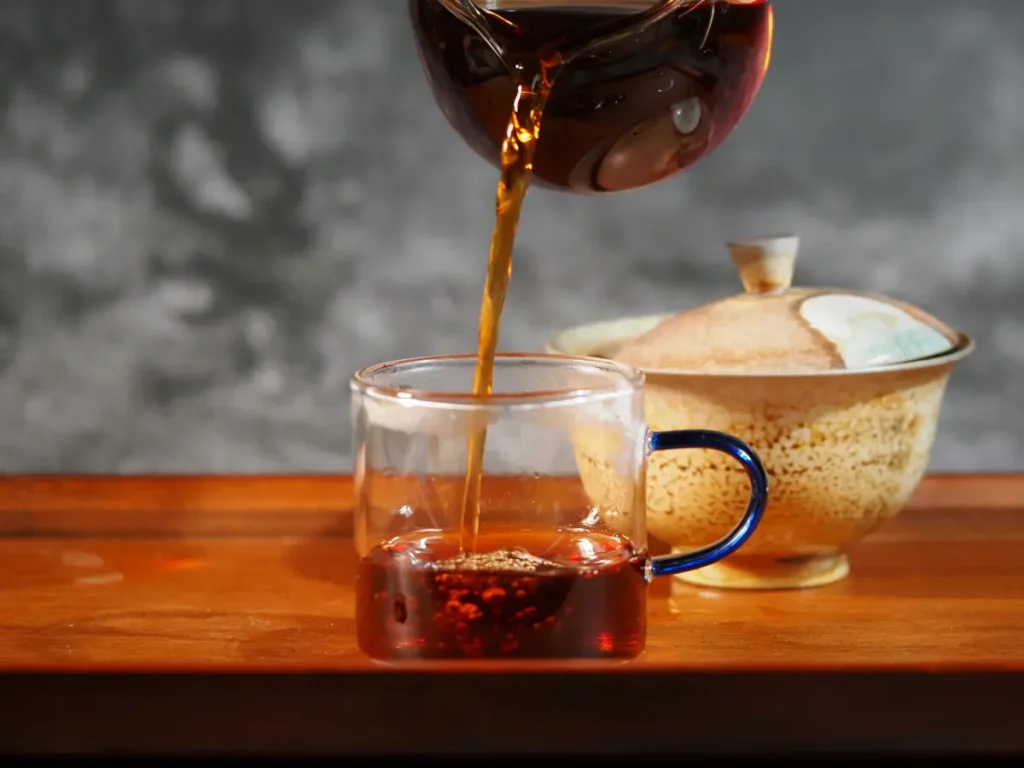
This is one of the most fascinating — and most overlooked — aspects of chai’s caffeine profile. Even when a chai contains a similar milligram amount of caffeine as coffee, many drinkers report that chai produces a calmer, more sustained energy lift without the jitters, spike, or crash associated with coffee.
The reason is chemistry. Black tea — chai’s base — contains tannins, a family of polyphenolic compounds. Tannins bind to caffeine molecules in the digestive system, slowing their absorption into the bloodstream. Instead of a rapid spike, you get a more gradual release of caffeine over a longer period.
Tea also contains L-theanine, an amino acid that promotes a relaxed-but-alert mental state. L-theanine works synergistically with caffeine to support focus and calm without the anxiety that high-dose caffeine from coffee can produce.
Research published in the American Journal of Clinical Nutrition supports the finding that tannin-rich tea improves attention and cognitive function with fewer side effects than coffee.
In practical terms, chai gives you sustained mental clarity. Coffee gives you an immediate jolt. Neither is universally better — but they produce distinctly different experiences, even at comparable caffeine doses.
| ☕ Suggested for you: Americano Caffeine Content: How Much Caffeine in Decaf Coffee? How Much Caffeine is in 3 Shots of Espresso?Blonde Espresso Caffeine Content and Why You Should Try It |
The 7 Factors That Determine Your Chai’s Caffeine Content
There is no single “standard” amount of caffeine in chai because it is one of the most variable-prepared beverages in the world. Here are the key factors — and how to use them to your advantage:
| Factor | Lower Caffeine | Higher Caffeine |
| Tea Base | Black tea = highest caffeine | Green or rooibos = less/none |
| Steep Time | 2–3 min = 30–40% less caffeine | 10+ min = maximum extraction |
| Leaf Grade | Whole leaf = slower release | Broken/CTC = faster, more caffeine |
| Water Temp | 160–175°F = gentler extraction | 200°F+ = maximum caffeine pull |
| Tea Ratio | Less tea, more spices = less caffeine | More tea = stronger brew |
| Milk Addition | Dilutes caffeine per sip | Slows absorption slightly |
| Concentrate vs. Loose | Concentrates vary by brand | Loose leaf gives full control |
Breaking Down the Most Impactful Factors
Steep Time: Research shows that the majority of caffeine in tea is extracted within the first 3 minutes of steeping. A 4.5-minute steep of the same tea can extract 13 mg, while a 10-minute steep pulls 21 mg from the same leaves.
Traditional Indian chai is often simmered for 10+ minutes, which is why homemade versions can pack a stronger caffeine punch than a quickly brewed tea bag.
Leaf Grade: This is something most articles miss. Broken or CTC (crush-tear-curl) processed tea — commonly found in tea bags — releases caffeine faster and more completely due to greater surface area exposure.
A “weak” tea bag may actually deliver more caffeine than the same amount of whole-leaf tea. Most masala chai blends use CTC black tea.
Tea-to-Spice Ratio: A chai that is half black tea and half spices by weight will contain roughly half the caffeine of a pure black tea infusion of the same volume — approximately 11–24 mg per standard cup.
Chai vs Coffee: A Full Comparison
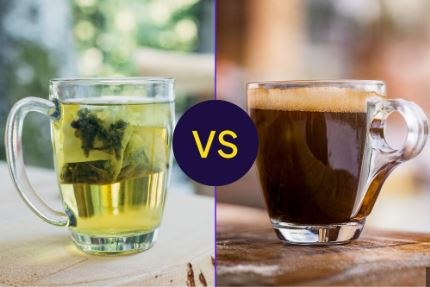
One of the most common reasons people search for chai’s caffeine content is because they’re considering switching from coffee or adding chai to their routine.
Here’s how the two beverages compare across the dimensions that matter most:
Caffeine Amount: A standard 8-oz black coffee contains 80–120 mg of caffeine, while an 8-oz chai latte typically provides 30–70 mg. Even the strongest chai has roughly one-third the caffeine of an average cup of coffee.
Caffeine Speed: Coffee caffeine hits faster, typically within 15–20 minutes. Chai caffeine absorbs more gradually due to tannins, with effects felt steadily over 2–4 hours.
Crash Potential: Coffee’s rapid spike is often followed by a corresponding energy dip. Chai’s slower absorption curve tends to produce a gentler decline, making it a popular choice for people who are caffeine-sensitive or prone to afternoon energy crashes.
Flavor Complexity: Coffee’s complexity comes from roast level, origin, and extraction method. Chai’s complexity comes from the interplay of spices — each sip balances warmth, sweetness, and depth in a way that coffee simply cannot replicate.
Antioxidant Profile: Both beverages are rich in antioxidants, but they offer different compounds. Black tea provides theaflavins and thearubigins. Coffee provides chlorogenic acids.
Chai’s spices add layer — ginger’s gingerols, cardamom’s cineole, cinnamon’s cinnamaldehyde — giving chai a uniquely broad antioxidant profile.
Caffeine-Free Chai Options
If you love chai flavor but need to avoid caffeine entirely — whether due to pregnancy, sensitivity, medication interactions, or simply evening drinking — you have excellent options that do not require sacrificing the chai experience.
- Rooibos Chai: Rooibos (red bush) tea from South Africa contains zero caffeine and has a naturally sweet, earthy flavor that pairs beautifully with traditional chai spices. It is also rich in antioxidants.
- Honeybush Chai: Similar to rooibos, honeybush is caffeine-free with a mild honey-like sweetness that complements ginger and cardamom exceptionally well.
- Blended Half-and-Half: For those gradually reducing caffeine, blending half black chai tea with half rooibos maintains the authentic chai flavor while cutting caffeine by approximately 50%.
- Decaf Black Tea Chai: A decaffeinated Assam or Ceylon base with full chai spices delivers the closest experience to traditional masala chai for those who need to eliminate caffeine.
| ☕Signature drinks you need to try: Blonde Espresso Functional Coffee What is a Colada Coffee? |
How to Control Your Chai’s Caffeine Content
One of the great advantages of brewing chai at home is that you have full control over how much caffeine ends up in your cup. Here’s a barista-level guide to tuning your brew:
To Lower Caffeine in Your Chai:
- Steep for only 2–3 minutes instead of the traditional 10+ minutes. You’ll retain most of the flavor while reducing caffeine extraction by 30–40%.
- Use a green tea base instead of black tea. Green tea chai contains 20–30% less caffeine than black tea versions.
- Switch to a rooibos or honeybush base for a completely caffeine-free cup.
- Increase the proportion of spices relative to tea leaves. More cardamom, ginger, and cinnamon mean less room for caffeinated tea.
- Add more milk, which dilutes the caffeine concentration per sip and also slows absorption.
To Maximize Caffeine in Your Chai:
- Use Assam black tea — one of the highest-caffeine black teas available.
- Simmer for 10–15 minutes as traditional recipes call for.
- Use water at or near boiling (200°F+) for maximum extraction.
- Use a higher ratio of tea to spices.
- Add a shot of espresso to make a dirty chai.
Is Chai a Good Coffee Alternative?
For millions of people around the world, yes — chai is an excellent coffee alternative, and not just for the caffeine. Here’s why it works:
Lower Total Caffeine: If you’re reducing caffeine intake, chai lets you maintain a morning ritual and receive a gentle energy boost without the high caffeine load of coffee.
Better for Sensitive Stomachs: Coffee is highly acidic and can aggravate acid reflux, GERD, and sensitive stomachs. Black tea is considerably less acidic, and chai’s ginger content actively supports digestive health.
Afternoon-Friendly: Many coffee drinkers avoid coffee after 2 p.m. for fear of disrupting sleep. Chai’s lower, slower-releasing caffeine makes it more suitable for afternoon consumption.
Rich Flavor Without Bitterness: Chai’s spice blend delivers complexity and warmth that satisfies the same sensory craving as coffee, without coffee’s characteristic bitterness.
That said, chai is not a coffee replacement in every sense. If you depend on coffee’s caffeine volume for your morning routine, a standard chai may not provide the same kick — unless you opt for a dirty chai or a large, strongly brewed masala chai made with Assam tea.
Chai Caffeine & Health: What You Should Know
Caffeine — at moderate levels — is generally considered safe for most healthy adults, with health authorities citing up to 400 mg per day as a reasonable upper limit.
A standard chai latte at 30–70 mg per 8-oz serving fits comfortably within that range, even with two or three cups per day.
However, specific groups should pay attention:
- Pregnant individuals: Medical guidelines typically recommend keeping caffeine under 200 mg per day during pregnancy. Chai fits well within this limit, but it’s worth tracking total caffeine from all sources.
- Caffeine-sensitive individuals: Those who are particularly sensitive to caffeine may notice chai’s effects even at 30–40 mg. Opting for green tea chai or rooibos chai is a smart adjustment.
- People on certain medications: Some medications interact with caffeine or with chai’s spice components (particularly blood thinners, as cinnamon and ginger can have mild anticoagulant effects in high doses). Consult your healthcare provider if you take regular medications.
- Children: Chai is generally not recommended for young children due to both its caffeine content and its strong spice profile.
Frequently Asked Questions About Chai and Caffeine
Q: Does chai tea latte have caffeine?
A: Yes. A chai tea latte is made with a black tea base — either a concentrate or brewed tea bags — which contains caffeine. A standard café chai latte (12 oz) typically contains 40–75 mg of caffeine. A homemade version using loose-leaf black tea can be higher.
Q: Does chai have more caffeine than coffee?
A: No. Coffee contains significantly more caffeine than chai. A standard 8-oz coffee provides 80–120 mg of caffeine, while an 8-oz chai delivers 25–70 mg. Even the strongest chai has roughly one-third the caffeine of an average cup of coffee.
Q: Is there caffeine in Starbucks chai?
A: Yes. Starbucks chai beverages are made with Tazo chai concentrate, which contains caffeine derived from black tea. A Grande (16-oz) Chai Tea Latte at Starbucks contains approximately 95 mg of caffeine — closer to a coffee than a homemade chai due to the larger serving size and concentrate strength.
Q: Can I drink chai at night?
A: It depends on your caffeine sensitivity. For most people, a small (8-oz) traditional chai 4–6 hours before bedtime is unlikely to significantly disrupt sleep. If you are sensitive to caffeine or drink chai closer to bedtime, opt for a rooibos chai or honeybush chai, which are completely caffeine-free.
Q: Does the powder form of chai have caffeine?
A: Yes, if the powder contains black tea. Powdered chai mixes typically deliver 25–55 mg of caffeine per serving, slightly less than concentrate-based chai lattes. Always check the ingredient label — some powders are made entirely with spices and no tea, in which case caffeine is zero.
Q: Does rooibos chai have caffeine?
A: No. Rooibos is not a true tea — it comes from the South African red bush plant and contains no caffeine whatsoever. Rooibos chai delivers the full chai spice experience with zero caffeine, making it the ideal choice for caffeine-free drinkers.
Final Thoughts: Chai is a Brilliant, Balanced Caffeine Choice
Chai does contain caffeine — but it’s caffeine served with nuance. The moderate caffeine levels in traditional chai, softened by tannins and L-theanine, create a uniquely calm-yet-focused energy experience that is difficult to replicate with any other beverage.
Whether you’re a coffee drinker looking to cut back, a tea lover exploring deeper into your craft, or someone navigating caffeine sensitivity, chai offers a level of flexibility that few beverages can match.
From a 0 mg rooibos chai to a 140+ mg dirty chai, the range is extraordinary — and entirely within your control. Understanding what goes into your cup is the first step to making chai truly work for you.
| ☕ CoffeNZO Barista Note At CoffeNZO.com, we believe great drinks start with great ingredients. Our team of passionate baristas sources premium coffee, fine teas, and raw farm honey to bring you beverages that honor both craft and quality. Whether you visit our future shops across all 50 states or brew at home, we’re here to elevate every sip. Explore our curated chai blends, raw honey sweeteners, and barista guides at CoffeNZO.com. |

Hi,
I’m Wycléf NY, a certified barista with 6 years of experience (as of December 2025).
I started this website to share my coffee preparation insights with aspiring coffee enthusiasts and interact with fellow baristas.
Let’s catch up over a cup of iced Coffénzo coffee or shoot me a quick short message text (sms) at ny@coffenzo.com