

Have you ever asked yourself, “What is the best coffee for beginners?” If so, did you get the answer? Well, whether you did or not, you are about to discover one of the most rewarding beverages on the planet — a drink that has been bringing people together, whether it is in a café or a coastal adda, as they drink their favorite cup, sparking conversations, and fueling mornings for over a thousand years.
But right now, standing in the coffee aisle or browsing online, you are probably wondering: where on earth do I start?
The truth is, the world of coffee can feel overwhelming at first. Dark roast, light roast, Arabica, Robusta, single-origin, blend… it reads like a foreign language.
Here at CoffeNZO, we believe every great coffee journey starts with one simple cup. Not a complicated one. Not an expensive one. Just the right one — for you, right now, at this stage of your journey.
This guide is going to walk you through everything you need to know as a beginner. We are going to talk about beans, roasts, flavors, and the types of coffee drinks that are genuinely friendly to newcomers.
By the time you finish reading, you will know exactly what to reach for — and why. But first things first …
Why Does Coffee Taste the Way It Does?
Before we get into recommendations, you deserve to understand what actually shapes the taste of your cup.
Because once you understand this, choosing coffee stops being guesswork and starts being an adventure.
Every cup of coffee you will ever drink comes down to three core things:
- The type of bean,
- Where it was grown,
- How it was roasted.
That is it. Those three factors determine whether your coffee tastes bright and fruity, smooth and chocolatey, or bold and intense.
Think of it like fruit. A strawberry grown in California in summer tastes completely different from one grown in a greenhouse in winter.
Coffee is no different. The soil, altitude, climate, and roasting process all leave their fingerprints on your cup.
The Two Main Coffee Beans: Arabica vs. Robusta
When you walk into any coffee shop or browse any coffee brand, you are almost always dealing with one of two types of beans: Arabica or Robusta.
Here is what you need to know about each one.
Arabica — The Beginner’s Best Friend
Arabica beans make up about 70% of the world’s coffee production, and there is a very good reason for that: they taste better to most people, especially beginners.
Arabica has a smooth, sweet, and complex flavor profile. Depending on where the beans were grown, you might pick up notes of fruit, chocolate, caramel, or even flowers.
These beans are grown at high altitudes — typically between 3,000 and 6,000 feet above sea level — in places like Colombia, Ethiopia, Brazil, and Guatemala.
The cooler temperatures and rich soils at those elevations give Arabica its signature gentleness. They contain less caffeine than Robusta, which also contributes to their smoother, less bitter taste.
If you are just starting, 100% Arabica coffee is the recommendation you will hear from almost every barista worth their salt. It is approachable, forgiving, and genuinely delicious when brewed right.
Robusta — Strong, Bold, and Harder to Love at First
Robusta beans are the other major player. They contain nearly double the caffeine of Arabica, which sounds appealing until you realize that caffeine is also responsible for bitterness.
Robusta tends to taste earthy, woody, and intense — sometimes described (a little harshly) as resembling burnt rubber when it is of low quality.
That said, high-quality Robusta has its place. It adds a thick crema to espresso, gives Italian-style blends their signature punch, and is the backbone of traditional Vietnamese coffee. You will find it in many espresso blends and instant coffees.
As a beginner, Robusta by itself can be a bit much. But in a well-crafted blend, it adds body and depth that many people grow to love over time.
CoffeNZO Tip: Start with 100% Arabica or an Arabica-dominant blend. It will give you the most pleasant, approachable introduction to coffee without the harsh bitterness that puts many beginners off.
Understanding Roast Levels: Light, Medium, and Dark
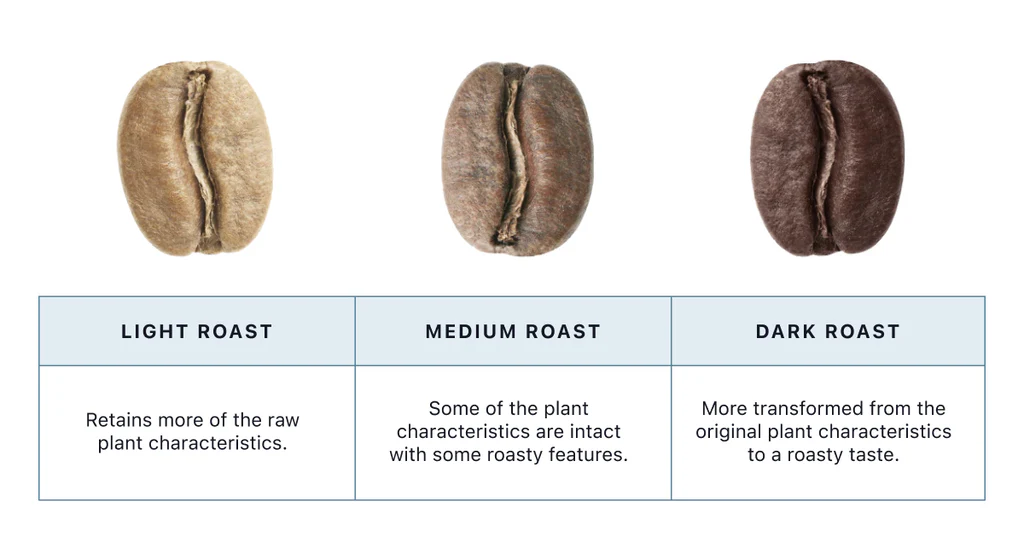
Now that you know about beans, let us talk about roasting. Roasting is the process of applying heat to green coffee beans until they transform into the aromatic brown beans you grind and brew.
The longer and hotter the roast, the darker and bolder the coffee becomes.
Here is how the three main roast levels break down — in plain English.
Light Roast — Bright, Fruity, and Complex
Light roast coffee is roasted for a shorter time at lower temperatures, which preserves the bean’s original flavors. You will notice bright, vibrant notes — think citrus, berries, floral hints.
The roasts also have a higher caffeine content than dark roasts, which surprises most people.
Light roasts can be wonderful, but they can also be quite acidic.
For a complete beginner, that brightness might come across as sour rather than pleasant. It is an acquired taste that many coffee lovers grow into over time.
Medium Roast — The Goldilocks of Coffee
Medium roast is where most beginners find their home, and for good reason. It strikes the perfect balance between the fruity complexity of light roast and the boldness of dark roast.
The acidity is tamed, the bitterness is minimal, and the natural sweetness of the bean really shines through.
Medium roast coffees often carry notes of chocolate, caramel, nuts, and subtle fruit. They are smooth, approachable, and versatile — tasting great black, with milk, or with a touch of sweetener.
This is the roast level most coffee experts will recommend to you when you are just starting.
Dark Roast — Bold, Smoky, and Low in Acidity
Dark roast has been roasted longer, which burns away much of the original bean’s character and replaces it with rich, smoky, caramelized flavors.
Think dark chocolate, roasted nuts, and a robust intensity. The acidity is very low, which makes dark roast easier on sensitive stomachs.
Many beginner coffee drinkers are drawn to dark roast because they associate boldness with quality.
In reality, over-roasting can mask the natural beauty of a great bean. That said, a quality dark roast — not a burnt one — can be deeply satisfying, especially with milk.
CoffeNZO Tip: Start with a medium roast. It is the most forgiving, the most universally liked, and it gives you the clearest picture of what great coffee actually tastes like.
The Best Coffee Drinks to Start With
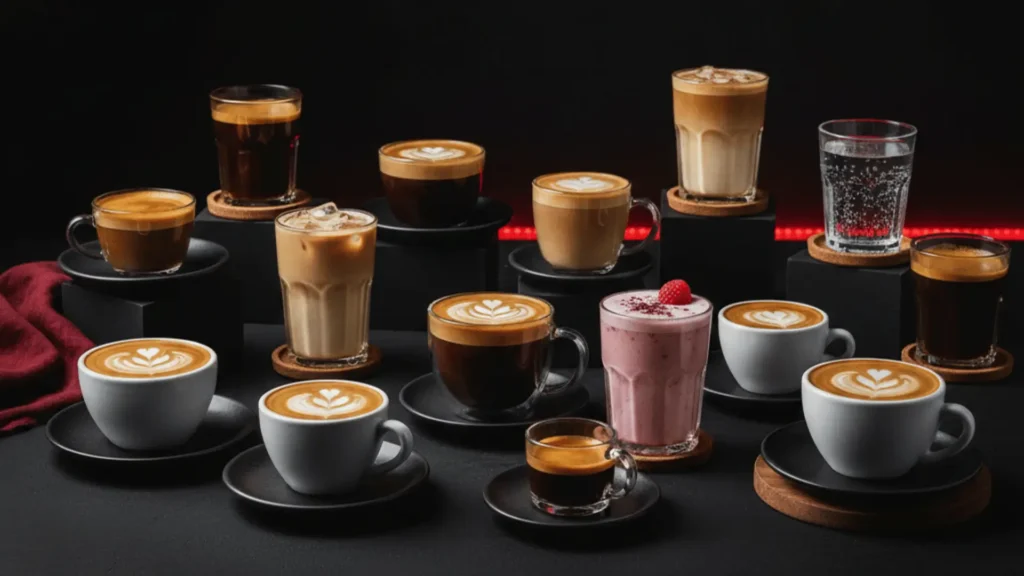
Now, let us talk about the actual drinks. Because “coffee” is not just one thing. It is a whole world of flavors and formats, and some are far more beginner-friendly than others.
Cappuccino — The #1 Beginner Recommendation
If you asked a roomful of experienced baristas to name the single best coffee drink for a beginner, most of them would say cappuccino. And they would be right.
A cappuccino is a perfectly balanced combination of espresso, steamed milk, and thick milk foam. The milk softens the espresso’s intensity, the foam adds a creamy texture, and the result is a drink that lets you taste real coffee without being overwhelmed by it.
It is bold enough to introduce you to what coffee actually tastes like, yet smooth and creamy enough to be genuinely enjoyable from the very first sip.
That is a rare combination, and it is why the cappuccino has earned its place as the ideal gateway drink.
Latte — Even Creamier and Milder
If even a cappuccino feels a bit intense, a latte is your answer. A latte uses the same espresso base but adds significantly more steamed milk, resulting in a creamier, much milder drink. The coffee flavor is there, but it is gently wrapped in silk.
Lattes are also the canvas for flavored syrups — vanilla, caramel, hazelnut — which can make the transition into coffee almost imperceptible. There is absolutely no shame in starting with a vanilla latte.
The coffee habit builds over time, and eventually, you will find yourself reaching for less and less sweetener.
Compare these blogs:
Cold Brew — Smooth, Sweet, and Naturally Low Acid
Cold brew coffee is made by steeping coarsely ground coffee in cold water for an extended period, usually 12 to 24 hours.
The result is a remarkably smooth, naturally sweet coffee concentrate that is significantly less acidic than hot-brewed coffee.
If you have tried coffee before and found it too bitter or too harsh on your stomach, cold brew might be the game-changer you did not know you needed.
Many people who swore they hated coffee have had their minds completely changed by a well-made cold brew.
Must read: How Long Does Cold Brew Coffee Last in the Fridge?
Drip Coffee — Classic, Simple, and Reliable
Standard drip coffee — the kind made in a regular coffee maker — is the most consumed type of coffee in America, and it is beginner-friendly for one very simple reason: it is easy.
To make drip coffee, simply:
- Add your coffee grounds,
- Add your water,
- Press a button, and
- Get a consistent, approachable cup every time.
The flavor of drip coffee depends heavily on the beans and roast you choose.
Use a good-quality medium-roast Arabica in a clean machine, and you will be pleasantly surprised by how enjoyable a simple drip coffee can be.
Where Your Beans Come from Matters
Here is something that most beginner guides skip over, and we think that is a mistake: coffee’s origin has an enormous impact on its flavor.
Just like wine, the soil and climate where the beans were grown leave a distinct fingerprint in every cup.
Here are a few origins that are consistently praised as beginner-friendly:
- Colombia: Known for producing some of the most balanced and accessible coffees in the world. Colombian beans typically carry notes of caramel sweetness and mild citrus, making them incredibly approachable.
- Brazil: The world’s largest coffee producer delivers beans with a naturally low acidity, a full body, and chocolatey, nutty notes. Brazilian coffees are smooth and comforting — almost universally liked by beginners.
- Guatemala: Guatemalan coffees tend to be rich and full-bodied with notes of dark chocolate and brown sugar. Slightly more complex than Brazilian coffees, but still very beginner-friendly.
- Ethiopia: The birthplace of coffee. Ethiopian beans can be more complex — floral, fruity, and tea-like. Not always the easiest starting point, but extraordinary once you are ready to explore.
As a beginner, Colombian or Brazilian single-origin coffee — or a blend of the two — is an excellent place to start. Both are widely available, consistently delicious, and forgiving enough to taste great even if your brewing is not yet perfect.
Ground Coffee vs. Whole Beans: Which Should You Choose?
You will face this choice the moment you start shopping for coffee. Here is the honest answer.
Pre-ground coffee is the most convenient option. You open the bag and brew. Simple.
The tradeoff is freshness: once coffee is ground, it begins losing its aromatic compounds almost immediately. Pre-ground coffee can taste noticeably stale within days of opening.
Whole bean coffee stays fresh significantly longer because the outer shell of the bean protects the volatile flavor compounds inside.
You grind it just before brewing, and the difference in aroma and flavor is remarkable.
As a beginner, starting with quality pre-ground coffee is perfectly fine. But if you find yourself falling in love with coffee — and you will — investing in a simple burr grinder and buying whole beans will be one of the best coffee decisions you ever make.
CoffeNZO Tip: Whatever you buy, always check for a roast date on the bag. Fresh coffee should be used within 2 to 4 weeks of its roast date. A “best before” date alone tells you very little about freshness.
How to Make Your First Cup More Enjoyable
If you are new to coffee and still finding the taste a little challenging, here are some completely valid ways to ease into it. There is no wrong way to start.
- Add milk or cream: Dairy softens bitterness and acidity beautifully. Full-fat milk, oat milk, almond milk — all work wonderfully. A splash can transform a cup that feels too intense into something smooth and comforting.
- Use a little sweetener: A small amount of sugar, cane syrup, or even a drizzle of honey helps balance any harsh notes. As your palate develops, you will naturally reach for less.
- Try flavored coffee: Vanilla, caramel, or hazelnut flavored coffees are not inferior — they are bridges. They make the coffee flavor approachable while you build your taste.
- Go cold: Cold brew or iced coffee is significantly less bitter and acidic than hot coffee. If hot coffee feels too harsh, switch to cold and see if it changes your experience entirely.
- Start with smaller quantities: Order a small size. Taste slowly. Give yourself time to appreciate the layers of flavor rather than gulping it down.
A Simple Beginner’s Coffee Roadmap
To bring it all together, here is a simple path you can follow as you find your way in the world of coffee:
- Week 1–2: Start with a cappuccino or latte from a good coffee shop. Add sweetener if you need to. No judgment. Just get used to the flavor of espresso in a friendly format.
- Week 3–4: Try a medium roast drip coffee or cold brew at home. Use Colombian or Brazilian beans if possible. Add milk. Notice the flavors.
- Month 2: Gradually reduce the milk or sweetener you are using. Start noticing flavor notes — is it chocolatey? Fruity? Nutty? Begin exploring different origins.
- Month 3 and beyond: Try a light roast. Explore single-origin coffees. Experiment with different brewing methods. You will be amazed at how far your palate has come.
Our Final Recommendation for Beginners
If you want the single, clearest answer to the question “What is the best coffee for beginners?” — Here you go:
The best coffee for beginners is a medium roast, 100% Arabica bean from Colombia or Brazil — smooth, sweet, and perfect for your first cup.
Enjoy it as a cappuccino or latte if you are at a café, or brew it as a simple drip or cold brew at home. Add milk and a little sweetener if you need to. Drink it slowly. Pay attention to the flavors.
That is it. That is the whole secret. The best coffee for you is the one you genuinely enjoy drinking. Everything else — the origins, the roast levels, the brewing methods — will reveal itself naturally as your love for coffee grows.
And it will grow. That, we can promise you.
Related posts:
How Much Coffee Grounds Per Cup of Water?
Monday May 18, 2026Cortado vs Latte: Helping You to Make the Right Decision
Tuesday March 10, 2026Does Coffee Liqueur Have Caffeine?
Monday May 4, 2026Specialty Coffee Scarcity - the Coming ‘Rarity Crisis’
Sunday April 19, 2026What is French Vanilla Coffee? A Complete Guide on Flavor and Origin
Thursday February 26, 2026Macchiato vs Cortado: Which Bold Little Espresso Drink Actually Wins?
Tuesday March 17, 2026Cortado vs Cappuccino vs Latte: Which Espresso Drink is Right for You?
Sunday March 22, 202625 Best Coffee Roasters in America
Thursday February 19, 2026How Does a Percolator Coffee Pot Work?
Friday May 15, 2026
Hi,
I’m Wycléf NY, a certified barista with 6 years of experience (as of December 2025).
I started this website to share my coffee preparation insights with aspiring coffee enthusiasts and interact with fellow baristas.
Let’s catch up over a cup of iced Coffénzo coffee or shoot me a quick short message text (sms) at ny@coffenzo.com