
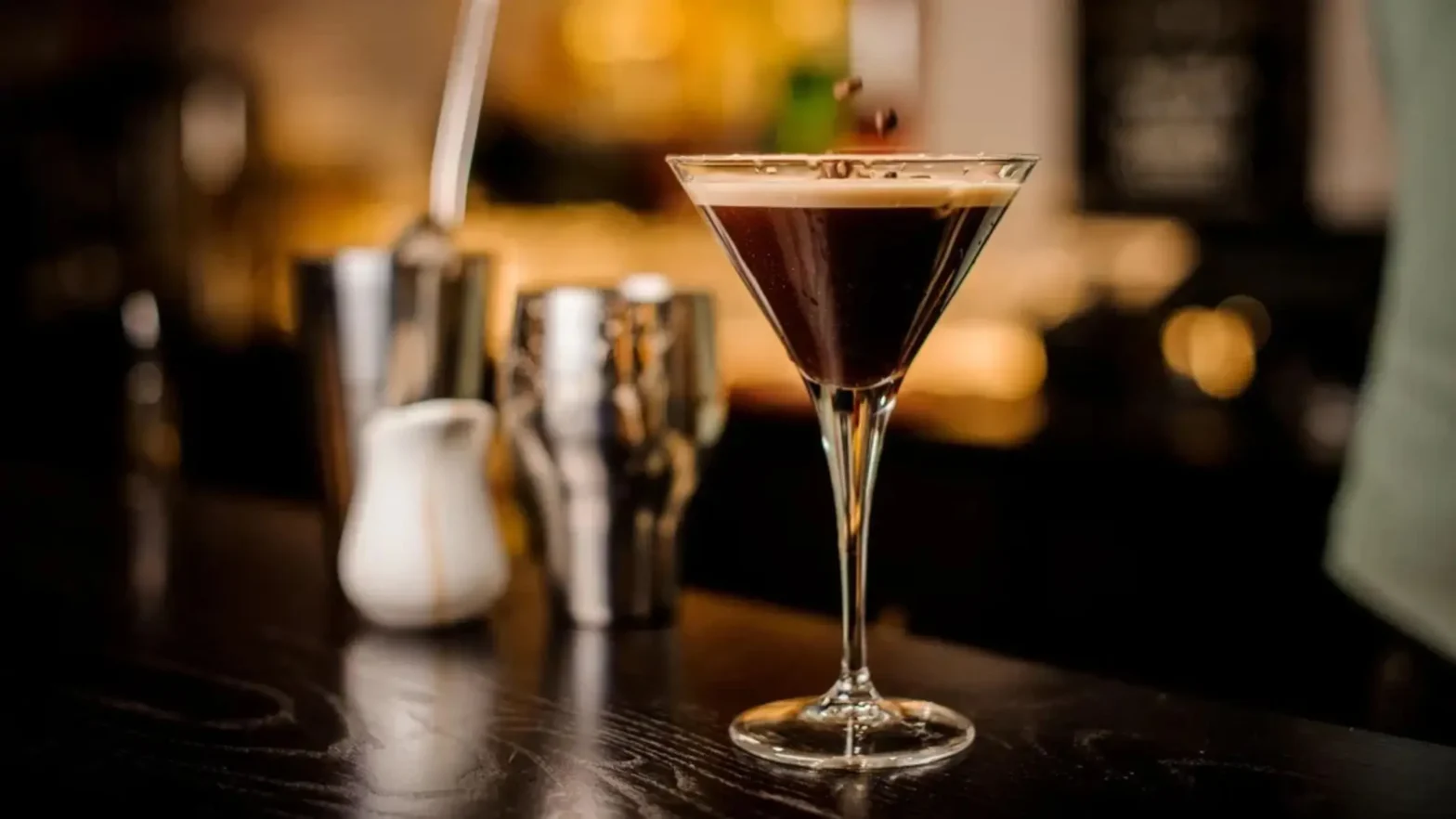
Does coffee liqueur have caffeine? The short answer is YES! — Coffee liqueur contains caffeine, but typically in smaller amounts (5-25 mg) than a regular cup of brewed coffee.
Because coffee liqueur is made using real coffee as one of its primary ingredients, the caffeine naturally present in those coffee beans carries over into the final product.
The exact amount varies by brand and recipe, but you can generally expect a standard serving to deliver a mild caffeine kick alongside its rich, roasted flavor.
If you have been asking yourself, ” Does coffee liqueur have caffeine in it?” — the answer is a clear yes.
Whether you are sipping it straight, mixing it into a cocktail, or pouring it over ice cream, you are consuming a small but real dose of caffeine with every serving.
For most people, this is not a concern, but if you are sensitive to caffeine or enjoy a nightcap before bed, it is worth keeping in mind.
What is Coffee Liqueur?
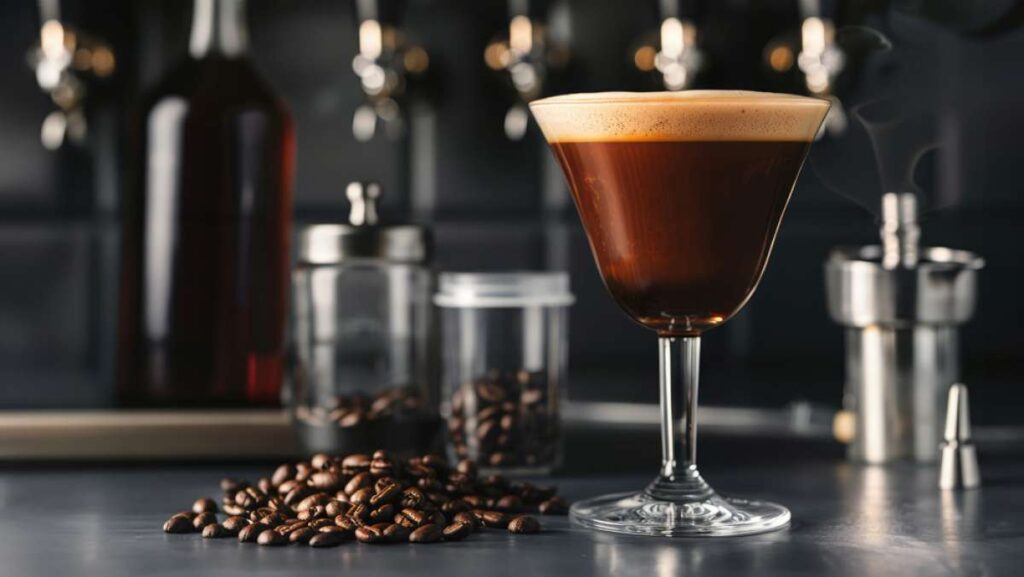
Coffee liqueur is a sweetened, coffee-flavored alcoholic spirit typically made by combining brewed coffee or coffee extract with alcohol (usually a neutral spirit or rum), sugar, and sometimes vanilla or other flavorings.
The result is a rich, dark, and aromatic liqueur with a bittersweet coffee taste and a moderate alcohol content — usually between 20% and 26% ABV (alcohol by volume).
Some of the most recognizable coffee liqueur brands in the world include Kahlúa, Tía María, and Mr. Black.
Each of these coffee liqueurs has its own unique recipe and flavor profile. Still, they all share that signature coffee-meets-spirits character that makes them a popular ingredient in cocktails like the White Russian, Espresso Martini, and Mudslide.
Coffee liqueurs can be enjoyed in many ways:
- Straight or on the rocks as a digestif
- Mixed into classic cocktails
- Poured over desserts like ice cream or tiramisu
- Used as a baking flavoring in cakes and brownies
How Much Caffeine is in Coffee Liqueur?
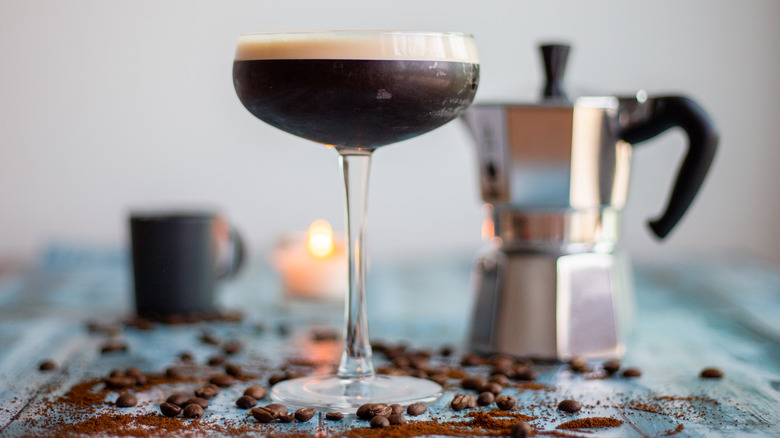
The caffeine content in coffee liqueur depends heavily on how it is made and what brand you are drinking.
As a general benchmark, a 1.5 oz (44ml) serving of Kahlúa — one of the world’s most popular coffee liqueurs — contains approximately 5 mg of caffeine.
Compare that to a standard 8 oz cup of brewed coffee, which typically contains between 80 and 100 mg of caffeine, and you can see that the caffeine in coffee liqueur is quite modest.
Here is a rough comparison to put things in perspective:
- Brewed coffee (8 oz): 80–100 mg of caffeine
- Espresso (1 oz): 60–75 mg of caffeine
- Kahlúa (1.5 oz): ~5 mg of caffeine
- Mr. Black Cold Brew Coffee Liqueur (1.5 oz): ~25 mg of caffeine
- Tía María (1.5 oz): ~5–10 mg of caffeine
Craft and cold brew-based liqueurs like Mr. Black tend to have higher caffeine content because they use a more concentrated coffee base.
If caffeine sensitivity is a concern, checking the brand’s nutrition information is always a smart move.
Will Coffee Liqueur Keep You Awake?
For most people, the amount of caffeine in a standard serving of coffee liqueur is unlikely to significantly disrupt sleep — especially when compared to a late-afternoon espresso.
However, a few factors can change this equation:
- Caffeine sensitivity: Some individuals are more sensitive to even small amounts of caffeine and may feel its stimulating effects from just 5–10 mg.
- Multiple servings: Drinking several cocktails made with coffee liqueur can add up the caffeine more than you might expect.
- Brand choice: Cold brew or espresso-based liqueurs contain significantly more caffeine per serving.
So, while ‘does coffee liqueur have caffeine’ is a valid concern for those watching their intake, a single evening serving of a lower-caffeine option like Kahlúa is unlikely to be the reason you are counting ceiling tiles at midnight.
The alcohol itself is usually more sedating than the caffeine is stimulating.
Compare these blogs
- Does Chai Have Caffeine?
- Americano Caffeine Content
- How Much Caffeine in Decaf Coffee?
- How Much Caffeine is in 3 Shots of Espresso?
Popular Coffee Liqueur Brands and Their Caffeine Content
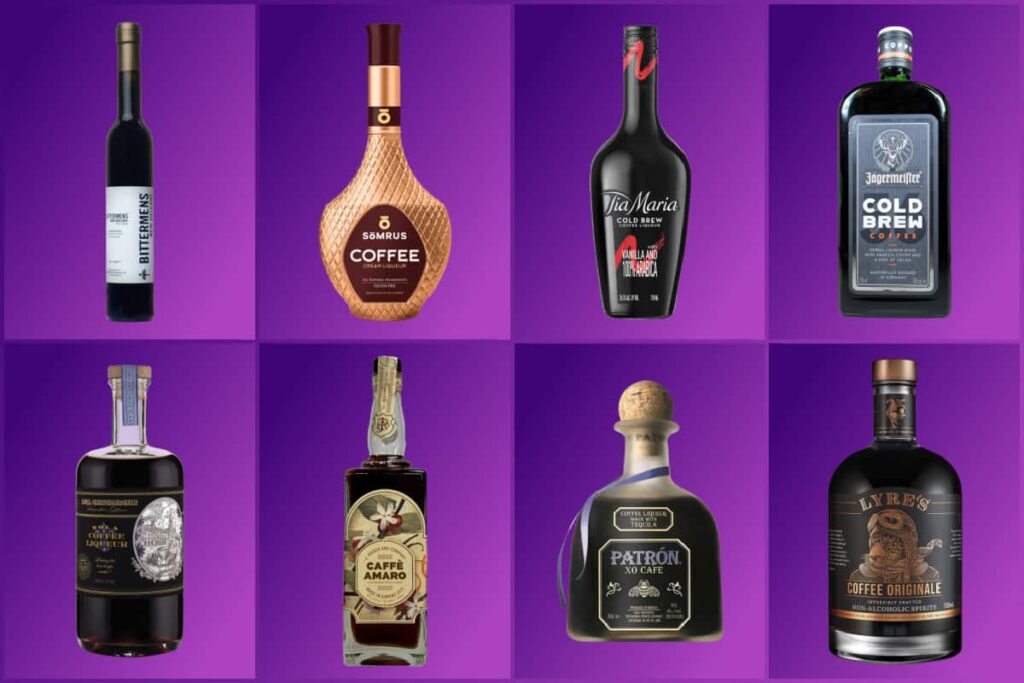
Here are some of the popular coffee liqueurs in the market and their caffeine content:
Kahlúa
Kahlúa is arguably the world’s best-known coffee liqueur, originating from Mexico. It is made with Arabica coffee, rum, sugar, and vanilla.
With around 5 mg of caffeine per 1.5 oz serving, it is one of the lower-caffeine options on the market — making it a reasonable choice for those who are caffeine-conscious but still want the coffee flavor experience.
Mr. Black
Mr. Black is an Australian cold brew coffee liqueur that prides itself on its intense coffee character and higher caffeine content — roughly 25 mg per serving.
Coffee enthusiasts who want a more robust, less sweet liqueur tend to gravitate toward Mr. Black.
Tía María
Tía María is a Jamaican coffee liqueur made with cold brew Arabica coffee, Jamaican rum, vanilla, and cane sugar.
It has a slightly lighter, more floral flavor profile than Kahlúa, with a caffeine content in the range of 5–10 mg per serving.
Baileys Irish Cream
Technically a cream liqueur rather than a pure coffee liqueur, Baileys Irish Cream is often included in this conversation because it is frequently mixed with coffee liqueurs.
Baileys itself contains only a trace amount of caffeine — typically less than 10 mg per serving — derived from the small amount of coffee included in its recipe.
Conclusion
So, does coffee liqueur have caffeine? Yes, it does — but in amounts that are generally far lower than what you would find in a standard cup of coffee.
Whether you prefer the mellow sweetness of Kahlúa or the bold intensity of a cold brew liqueur like Mr. Black, understanding the caffeine content in your drink helps you make more informed choices, especially if you are enjoying a late-night cocktail.
At CoffeNZO, we believe that great coffee knowledge is just as important as great coffee flavor.
Whether you are brewing specialty beans at home, experimenting with coffee cocktails, or enjoying a drizzle of our farm-fresh honey in your espresso, we are here to fuel your love of coffee — one sip at a time.
Frequently Asked Questions
Is there any caffeine in coffee liqueur?
Yes, coffee liqueur does contain caffeine because it is made with real coffee or coffee extract. The amount varies by brand, but most standard servings contain between 5 and 25 mg of caffeine — significantly less than a regular cup of brewed coffee.
Will Kahlúa keep you awake?
For most people, a single serving of Kahlúa is unlikely to keep you awake. It contains approximately 5 mg of caffeine per 1.5-oz serving, which is quite low. However, individuals who are particularly sensitive to caffeine may notice a mild stimulating effect, especially if consuming multiple servings late at night.
Does coffee alcohol have caffeine?
Yes. Coffee-flavored alcoholic beverages, including coffee liqueurs, do contain caffeine because they are made using real coffee. The caffeine content depends on the type and concentration of coffee used in the recipe, with cold brew-based products generally containing more caffeine than those made with standard brewed coffee.
Does Kahlúa have a lot of caffeine?
No, Kahlúa does not have a lot of caffeine. It contains approximately 5 mg of caffeine per 1.5 oz serving, which is quite modest compared to an 8 oz cup of brewed coffee (80–100 mg) or even a shot of espresso (60–75 mg). It is one of the lower-caffeine coffee liqueurs available.
Is there caffeine in Baileys or Kahlúa?
Both Baileys Irish Cream and Kahlúa contain small amounts of caffeine. Kahlúa has approximately 5 mg per serving, while Baileys contains trace amounts of caffeine from the small coffee component in its recipe — generally less than 10 mg per serving. Neither is considered a high-caffeine beverage.
Is coffee liqueur the same as Kahlúa?
Not exactly. Kahlúa is a specific brand of coffee liqueur — arguably the most famous in the world —, but it is not the only one. Coffee liqueur is the broader category of sweetened, coffee-flavored spirits, which includes many brands such as Tía María, Mr. Black, Patrón XO Cafe, and numerous craft options. Kahlúa simply happens to be the most widely recognized representative of that category.
Related posts:
Cortado vs Cappuccino vs Latte: Which Espresso Drink is Right for You?
Sunday March 22, 2026Specialty Coffee Scarcity - the Coming ‘Rarity Crisis’
Sunday April 19, 2026How to Remove Old Coffee Stains from Carpet: A Step-by-Step Guide That Actually Works
Wednesday April 29, 2026Macchiato vs Cortado: Which Bold Little Espresso Drink Actually Wins?
Tuesday March 17, 2026How Does a Percolator Coffee Pot Work?
Friday May 15, 2026What is Specialty Coffee? Know Why It's the World's Premium Coffee
Saturday February 14, 2026How Much Coffee Grounds Per Cup of Water?
Monday May 18, 202625 Best Coffee Roasters in America
Thursday February 19, 2026Ristretto vs Espresso vs Lungo: A Senior Barista's Guide to the Holy Trinity of Coffee
Monday January 12, 2026
Hi,
I’m Wycléf NY, a certified barista with 6 years of experience (as of December 2025).
I started this website to share my coffee preparation insights with aspiring coffee enthusiasts and interact with fellow baristas.
Let’s catch up over a cup of iced Coffénzo coffee or shoot me a quick short message text (sms) at ny@coffenzo.com